Diplomatic signals are intensifying as a potential US-Iran peace deal could mark a turning point for energy markets, global alliances, and financial systems.
What to know
- The US government has proposed a nuclear dismantling agreement with Iran, according to reports from Crypto Briefing on June 12, 2026.
- Israel is expected to support the regional peace deal, a US official stated.
- Oil prices have already dropped, signaling potential economic stability and market optimism.
- President Trump claims Iran apologized for false information and sees a deal possibly this weekend.
- The proposed deal could reshape geopolitical dynamics in the Middle East, impacting global oil markets and cryptocurrency volatility.
- A successful agreement could stabilize global trade routes and influence Middle Eastern alliances.
- Despite the positive signals, ongoing geopolitical tensions could quickly reverse market gains.
- Cryptocurrency markets are paying close attention, with potential for increased volatility ahead.
The Diplomatic Shift
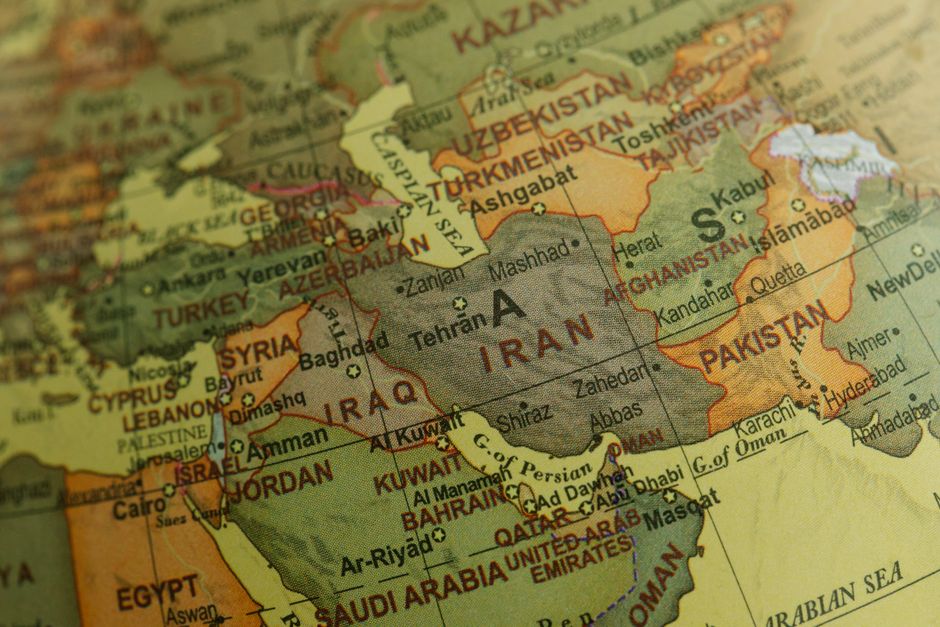
The possibility of a US-Iran peace deal has moved from speculation to active negotiation. Reports from Crypto Briefing indicate that the US government has formally proposed a nuclear dismantling agreement with Iran. This marks a significant step in decades-long tensions, offering a path toward de-escalation in one of the world’s most volatile regions.
Trump has weighed in, claiming that Iran apologized for false information and expressing optimism that a deal could be reached as soon as this weekend. Meanwhile, Israel — a key regional player with deep security concerns — is expected to support the peace deal, according to a US official. This alignment of interests suggests a potential reshaping of Middle Eastern alliances, with Israel’s endorsement lending credibility to the process.
The nuclear dismantling framework is central to the negotiations. If implemented, it would require Iran to curtail its nuclear activities in exchange for sanctions relief and normalized relations. The diplomatic stakes are high, and the world is watching.
Energy Markets at a Turning Point
The immediate market reaction has been notable. Oil prices have dropped, signaling that traders are pricing in a potential stabilization of energy markets. This decline reflects optimism that a deal could unlock increased Iranian oil exports, adding to global supply and easing upward price pressure.
If a deal is finalized, it could ease inflation pressures globally by lowering energy costs. Import-dependent economies, particularly in Asia and Europe, would benefit from reduced input costs. However, the situation remains fluid. The same factors that drive optimism — reduced geopolitical risk — could quickly reverse if negotiations falter or if hardliners on either side derail the process. Analysts are watching the weekend talks closely.
The drop in oil prices also has implications for energy-exporting nations in the Middle East. While some may face budgetary pressure, the broader stabilization could lead to more predictable revenue streams and reduce the region’s susceptibility to conflict-driven shocks.
Global Trade and Regional Alliances
A comprehensive peace deal with Iran extends far beyond oil. It could stabilize global trade routes, particularly those passing through the Strait of Hormuz, a critical chokepoint for oil tankers and commercial shipping. Reduced tensions would lower shipping costs, improve supply chain reliability, and support global economic growth.
Regionally, Israel’s expected support is a game-changer. It suggests that the deal could lead to broader normalization of relations between Israel and its neighbors, potentially opening new economic corridors and security frameworks. Middle Eastern alliances are likely to shift, with the US regaining diplomatic leverage in a region often fractured by proxy conflicts.
For the US, a successful deal would represent a major foreign policy win, demonstrating the ability to negotiate complex agreements with long-time adversaries. It could also free up resources and attention for other strategic priorities, including great-power competition with China and Russia.
Cryptocurrency and Financial Markets
The proposed nuclear dismantling agreement has caught the attention of cryptocurrency markets. As Crypto Briefing noted, “crypto markets are paying attention.” The logic is clear: a reduction in global geopolitical risk affects the risk-on/risk-off dynamics that often drive crypto volatility.
Historically, geopolitical shocks have led to both flight to safety and speculative moves in cryptocurrencies. A stable peace outcome could temper volatility, as uncertainty recedes and investors rotate toward traditional risk assets. Conversely, a failed negotiation could reignite fear, driving some capital into crypto as a hedge against instability.
Financial markets more broadly are also on alert. Equity indices may rally on the prospect of lower oil prices and reduced geopolitical premiums, while safe-haven assets like gold could see diminished demand. The interconnected nature of modern finance means the ripple effects of a US-Iran deal will be felt across asset classes.
Looking Ahead
The coming days are critical. The US and Iran are reportedly on the verge of an agreement that could reshape energy, trade, and financial markets. Investors, policymakers, and global citizens alike should monitor the weekend talks.
A successful deal could unlock a period of economic stability, lower inflation, and a realignment of Middle Eastern alliances. Failure, however, could reignite tensions, spike oil prices, and roil financial markets. Either way, the world is watching — and the stakes could not be higher.
This article is based on reports from Crypto Briefing dated June 12, 2026.