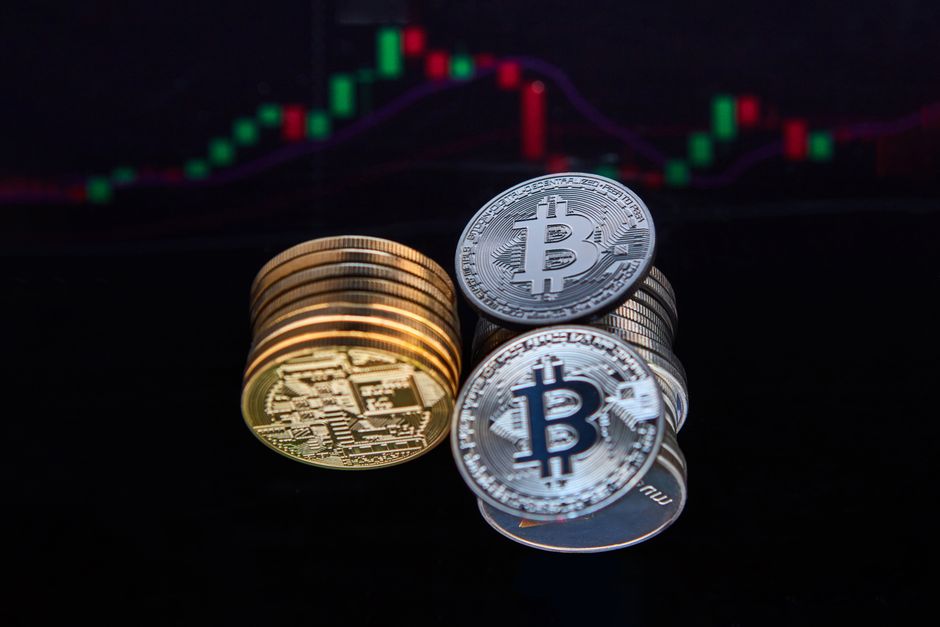
Bitcoin surged roughly 15% in April, but the mood in the perpetual futures market has soured. Funding rates are deeply negative, meaning short traders are willing to pay a premium to maintain their bearish bets. This isn’t your typical post-rally pause — it’s a warning from the derivatives book.
What to know
- Bitcoin’s price action slowed significantly in the past week, recording no major change after a bullish April.
- The leading cryptocurrency has gained approximately 15% since the start of April, marking its best month in a year.
- Analysis from XWIN Research Japan shows that Bitcoin’s funding rate is now negative at -0.02, indicating a clear dominance of short traders.
- A negative funding rate means short traders are paying a premium to keep their positions open, a sign of extreme conviction on the downside.
- This bearish positioning comes despite the recent rally, creating a tension between price and market sentiment.
- Funding rates are periodic payments in perpetual futures that keep the contract price aligned with the spot price. Negative rates typically suggest bearish expectations.
- The consolidation phase has drawn comparisons to previous periods where high open interest and negative funding rates preceded sharp moves.
- Social media sentiment has also shown spikes in FOMO (fear of missing out), according to XWIN Research Japan, adding another layer of complexity.
The April Rally and the Sudden Pause
April was a standout month for Bitcoin. The digital asset climbed roughly 15%, shaking off the cautious mood that had lingered through March. It was, by many measures, the best monthly performance in a year, fueled by a mix of strong earnings seasons, geopolitical headlines fading into the background, and a $5 billion surge in USDT supply that many saw as fuel for the rebound.
But in the last week, the momentum hit a wall. Price action flattened, and the daily candles began printing narrow ranges. Consolidation, by most definitions, had set in. The market that had been sprinting was now catching its breath.
And yet, the derivatives market isn’t just catching its breath — it’s actively positioning for a drop.
Negative Funding Rates: What Short Traders Are Signaling
Funding rates are the heartbeat of perpetual futures markets. They act as a mechanism to keep the contract price tethered to the spot price, with periodic payments flowing from one side to the other based on which side is overcrowded.
When funding rates turn negative, it means the short side is the one paying the premium. In other words, short traders are so convinced that Bitcoin will fall that they are willing to pay a recurring fee just to stay in the trade.
Bitcoin’s funding rate is currently at -0.02 — a level that signals deep bearish conviction across the market. Historically, such readings have preceded both violent squeezes and trend continuations.
According to XWIN Research Japan, this negative reading is not a blip. Their data points to a sustained dominance of short positioning, with traders “confidently bearish” despite the gains the asset has just registered.
It’s a rare setup. Typically, after a 15% rally in a month, the crowd leans bullish. But the futures market tells a different story — one of skepticism, contrarianism, or perhaps hedging by sophisticated players.
The Psychology of Bearishness Amid Gains
Why would traders double down on shorts after a rally? One answer lies in how market participants interpret the pause. A consolidation after a strong move can be seen as exhaustion rather than a breather. If the rally was driven by short-term factors — a calm in geopolitics, a strong earnings season — traders may view it as fragile.
Another possibility is that the bearish sentiment is being fueled by the very resilience of Bitcoin itself. The price held near highs, but it didn’t break higher. For some traders, that lack of follow-through is a signal that the buying pressure has been exhausted.
Social media sentiment has also spiked with FOMO, according to XWIN Research Japan, creating a classic contrarian signal. When the crowd gets too excited, smart money often moves the other way.
This interplay between on-chain data, funding rates, and social metrics is exactly what makes this moment interesting. The data doesn’t all point in one direction.
Consolidation or Reversal? What the Data Says
The current picture is layered:
- Price: Up 15% in April, stalled in the last week.
- Funding rates: Negative at -0.02, showing short dominance.
- Open interest: Remains high, suggesting significant capital is still deployed.
- Social sentiment: Spiking FOMO, which historically can precede pullbacks.
At the same time, other parts of the crypto market show bullishness. Ethereum traders, for example, are rebuilding long exposure with derivatives markets showing renewed demand for upside bets, targeting prices above $3,200. That divergence between BTC and ETH sentiment is worth watching.
XRP is also stuck in a consolidation band near $1.90, with bulls and bears locked in a tight contest.
What does this mean for Bitcoin? A few scenarios emerge:
- Short squeeze: If the price breaks upward from the consolidation zone, the crowded short positions could force a rapid covering, fueling a sharp move higher.
- Continued grind: The consolidation could extend as shorts resist and longs lose conviction, leading to a slow bleed lower.
- Breakdown: If support levels crack, the negative funding rate could accelerate the decline as shorts are proven right and new selling enters.
Each scenario hinges on the next catalyst — whether it’s a macroeconomic surprise, a regulatory move, or a shift in the broader risk appetite.
Looking Ahead
Bitcoin sits at a crossroads. The 15% April rally has been met not with celebration but with skepticism. Traders are paying to stay short, and the market is holding its breath.
The coming days will test whether the bears are early or right. If Bitcoin can break out of its consolidation range, the short positioning could fuel a violent rally. If it breaks down, the negative funding rate will have been a warning signal that paid off.
For now, the data from XWIN Research Japan offers a clear message: traders are not buying the rally. They are shorting it. And in a market that often punishes consensus, that might be the most important signal of all.