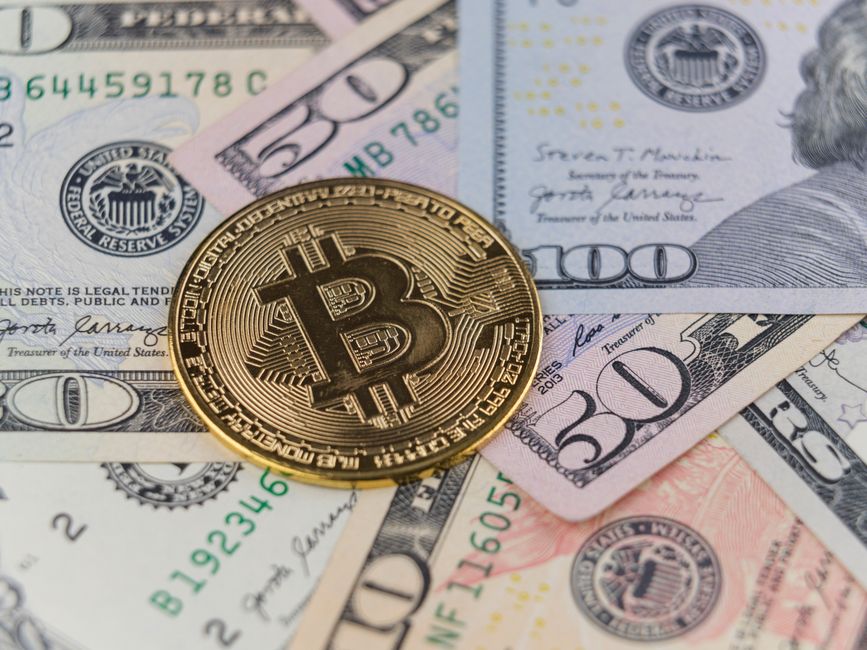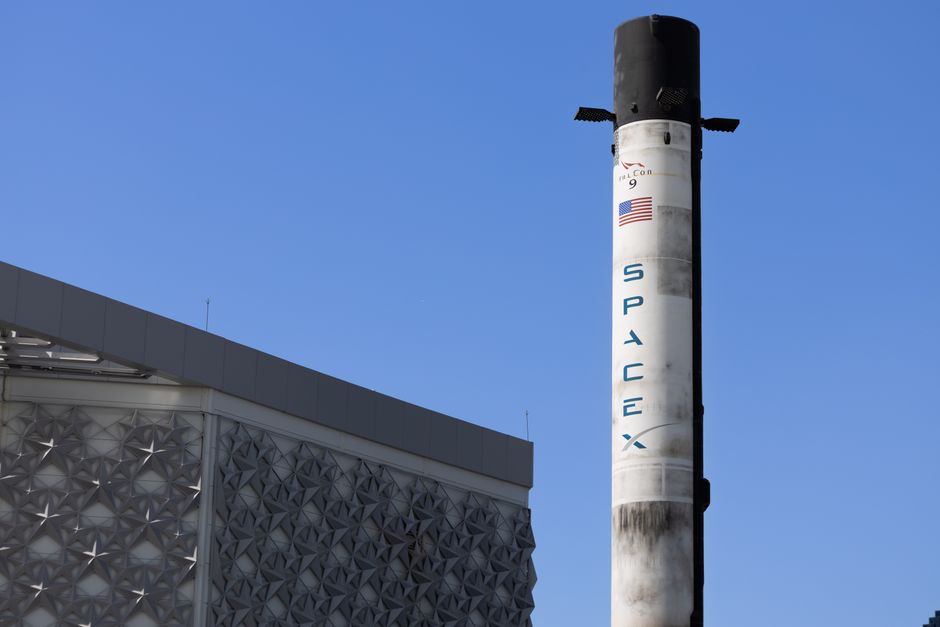
In an unprecedented move, crypto traders have created a $1 billion proxy market for SpaceX's upcoming IPO, leveraging perpetual futures to front-run what could be the largest public offering in Wall Street history.
What to know
- More than $1 billion in SpaceX-linked perpetual futures changed hands in just three days, as traders bet on the company's public debut.
- Retail investors face limited allocations in what is expected to be a heavily oversubscribed IPO.
- SpaceX is targeting a $250 billion valuation for its offering, with foreign investor demand already surpassing that figure.
- Gwynne Shotwell, SpaceX's Chief Operating Officer, is recognized as a pivotal figure ahead of the listing.
- The IPO signals a growing global appetite for space technology investments.
- The crypto proxy market highlights the increasing role of digital assets in providing access to restricted traditional offerings.
The Crypto Proxy Market
In the three days leading up to June 11, 2026, crypto traders poured over $1 billion into SpaceX-linked perpetual futures, creating a round-the-clock market that effectively prices the company's expected IPO before it hits the public exchanges. This is not a traditional stock — it is a derivative contract that tracks SpaceX's anticipated share price, available 24/7 on several crypto trading platforms.
The move comes as SpaceX, led by Elon Musk, prepares for what analysts expect to be one of the largest IPOs in Wall Street history. The perpetual futures market enables traders to take leveraged positions, amplifying potential gains or losses. Volume surged as retail investors, facing limited access to the actual IPO allocation, turned to crypto as an alternative entry point.
More than $1 billion in SpaceX-linked perpetual futures traded in just 72 hours — a record for any single company's pre-IPO derivatives.
These derivatives are not standardized options but rather perpetual contracts that track the underlying asset's price through a funding rate mechanism. This allows traders to maintain positions indefinitely, making them ideal for betting on major upcoming events like an IPO. The market operates across multiple crypto exchanges, with liquidity providers stepping in to facilitate the surge.
The timing is notable: as the IPO date approaches, trading activity is expected to intensify. The proxy market provides a real-time indicator of market sentiment, though it remains a speculative tool rather than a guarantee of the final listing price.
Why Retail Turns to Crypto
Traditional IPO allocations are dominated by institutional investors, with retail often receiving a small fraction of the shares. For a high-profile offering like SpaceX, which is expected to raise $250 billion, the retail portion is likely to be even tighter. This scarcity drives demand for alternative exposure.
Crypto derivatives offer a solution. By using perpetual futures — a type of contract without an expiry date — traders can simulate price exposure to SpaceX without needing to own the stock. The crypto market's 24/7 nature also allows trading outside of traditional market hours, making it attractive for global participants.
However, this comes with risks. Perpetual futures are highly leveraged, and funding rates can create additional costs. The proxy market is not directly tied to the official IPO price, meaning discrepancies can arise. If the actual listing deviates from expectations, traders could face significant losses.
For retail investors, the allure is clear: the chance to participate in a landmark IPO that is otherwise nearly impossible to access. Platforms offering these derivatives have seen a surge in traffic as word spreads. But the lack of regulatory oversight over these crypto products means investors must rely on the integrity of the exchanges and their own risk management.
SpaceX's Historic IPO
The SpaceX IPO is already making history before a single share is officially sold. According to reports, foreign investor orders alone have topped $250 billion, matching the expected total raise. This signals immense international demand for space technology investments, with countries and institutions eager to gain exposure to the private space industry.
The offering is expected to be the largest in Wall Street history, surpassing previous records set by tech giants. SpaceX's valuation reflects its dominant position in satellite launches, Starlink, and ambitious Mars exploration plans. The IPO will provide much-needed public funding for these capital-intensive projects.
Foreign investor orders for the SpaceX IPO have already reached $250 billion, illustrating the global appetite for space-related assets.
The company's path to public markets has been closely watched. Founded by Elon Musk, SpaceX has grown from a scrappy startup to the world's leading launch provider. Its Starlink internet constellation alone has millions of subscribers, generating recurring revenue. The IPO is seen as a chance for the broader investing public to own a piece of this space empire.
The $250 billion figure is not just a valuation target — it reflects actual incoming orders from foreign investors, a level of demand that underscores the strategic importance of space technology in international portfolios.
The Shotwell Factor
Gwynne Shotwell, SpaceX's COO, has been recognized as a key figure ahead of the IPO. She has been with the company for over two decades, overseeing daily operations and commercial contracts. Her steady leadership is seen as a counterbalance to Elon Musk's visionary but sometimes erratic style.
Investors view Shotwell as a stabilizing force. She has been instrumental in securing major launch contracts with NASA, the Pentagon, and commercial satellite operators. Her reputation for execution has built trust among institutional investors who may be wary of SpaceX's ambitious timelines.
Shotwell's role becomes even more critical as SpaceX transitions to a public company with increased disclosure requirements and shareholder expectations. Her operational expertise will be vital in navigating the regulatory landscape that comes with a Wall Street listing.
The recognition of Shotwell ahead of the IPO is a signal that governance matters. In a company often dominated by its founder's persona, her presence offers a measure of stability that could help sustain investor confidence through the inevitable volatility of a young space company testing the public markets.
Risks and Regulatory Scrutiny
While the crypto proxy market is innovative, it also raises regulatory questions. Perpetual futures on SpaceX are being offered by crypto platforms that may not be registered with traditional financial regulators. This could attract scrutiny from agencies like the SEC, especially as the official IPO approaches.
Additionally, the discrepancy between the crypto proxy price and the eventual IPO price could lead to volatility. If the listing is delayed or faces regulatory hurdles, traders in perpetual futures could face rapid liquidations. The SpaceX IPO itself also faces potential antitrust or national security reviews given its strategic importance.
Investors should be aware that the proxy market is speculative. It does not guarantee participation in the actual IPO, and terms may differ from the final offering. The leverage involved in perpetual futures can amplify losses, and the lack of a central clearinghouse means counterparty risk is real.
Regulators are likely to take a close look at these products. The SEC has previously cracked down on unregistered securities offerings, and while perpetual futures are technically not securities, they may fall under commodities regulation. The CFTC could also step in. The outcome of any regulatory action could affect the crypto market's ability to offer similar products for future IPOs.
A New Era for Space Investing?
The combination of SpaceX's historic IPO and the crypto market's response signals a broader trend: space technology is becoming a mainstream investment theme. The demand from foreign investors shows that governments and institutions view space as a strategic asset.
For crypto traders, this is another example of how digital assets are bridging gaps in traditional finance. The ability to create derivative markets for highly anticipated events — without waiting for official listings — gives them a powerful tool for price discovery. It democratizes access to an extent, even if the product carries its own risks.
Yet, the risks are real. As the IPO gets closer, the crypto proxy market may experience intense volatility. The funding rates on perpetual futures could spike as traders crowd in. Any unexpected news — a delay, a regulatory setback, or a change in market sentiment — could trigger cascading liquidations.
Still, the fact that over $1 billion has flowed into this proxy market in just three days suggests that the appetite for space investments is not limited to traditional finance. Investors are voting with their capital, and they want in on the SpaceX story.
Looking Ahead
The SpaceX IPO is poised to be a landmark event, with $250 billion in expected proceeds and unprecedented demand. The crypto proxy market, with $1 billion in trading volume, shows how traders are adapting to limited access. Whether this proxy market accurately prices the IPO or leads to disconnects remains to be seen.
Gwynne Shotwell's role will be critical as the company transitions to a public entity. Regulatory scrutiny will increase, and the crypto derivative platforms offering SpaceX exposure may face new rules.
One thing is clear: the intersection of crypto and traditional IPOs is here to stay. As space technology becomes a more attractive investment, expect more such proxy markets to emerge. The signal from this $1 billion bet is loud: investors want to ride the rocket, and they'll find a way, whether through Wall Street or the blockchain.