A sudden defeat for Natus Vincere after a dominant opening-map win, combined with the total absence of crypto branding, signals a turning point for both competitive strategy and esports economics.
What to Know
- NAVI lost the best-of-series at the IEM Cologne Major after starting strong with a win on Inferno, exposing a need for deeper strategic preparation across all maps.
- No crypto sponsors were present at the event — a stark contrast to the wave of blockchain and crypto deals that defined the 2021–2022 esports landscape.
- BetBoom Team and Team Falcons are scheduled to meet in round 2 of the tournament, with no crypto-affiliated branding on display.
- G2 Esports pulled off a dramatic 3v5 retake earlier in the event, boosting fan engagement and showcasing the unpredictability that keeps audiences invested.
- The decline of crypto sponsorships signals a return to traditional corporate partnerships, potentially stabilizing funding but also shrinking the total investment pool available to teams.
The Fall of Natus Vincere
NAVI entered the IEM Cologne Major with the aura of a title contender. The opening map on Inferno was a statement: crisp executes, tight rotations, and the kind of nerve that has defined the organization’s legacy. But the series didn’t end there. Over the subsequent maps, the cracks appeared.
The loss wasn’t just about a bad day. It exposed a structural weakness in map depth — the inability to maintain the same level of performance across multiple environments in a high-stakes tournament setting. Esports has evolved beyond a single-map specialty. Championship contention now demands a broad, adaptive playbook, and NAVI’s defeat serves as a tactical case study for the entire competitive ecosystem.
Coaching staff, analysts, and rival teams will pore over the demos. The lesson is clear: in modern competitive circuits, you cannot afford to let a single map define your identity. Strategic depth across the entire pool is no longer a luxury — it’s a prerequisite.
The Quiet Exit of Crypto
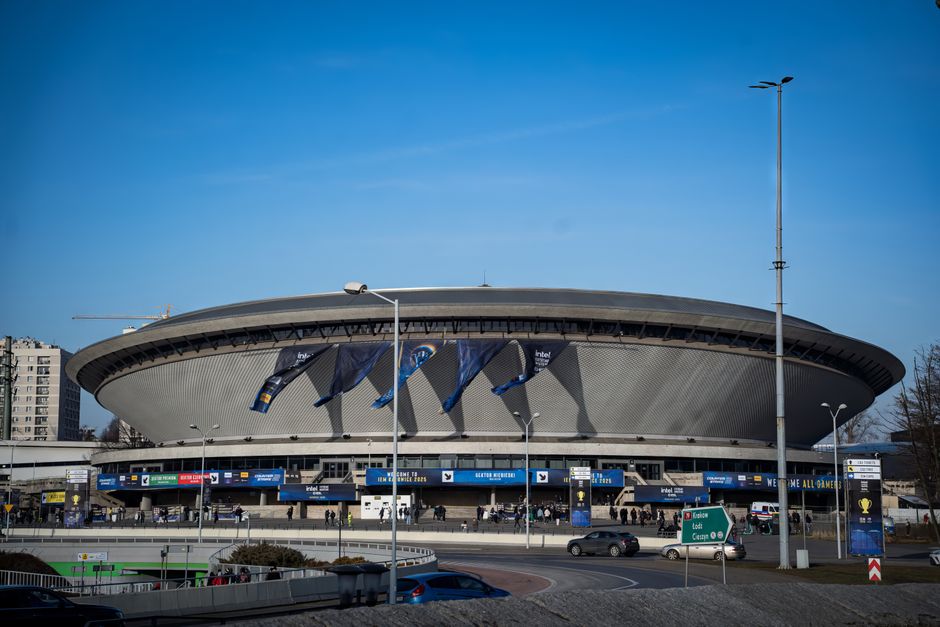
Walk through the venue of IEM Cologne, scan the team jerseys, check the banner ads. Crypto is nowhere to be seen. Just a few years ago, crypto exchanges, NFT platforms, and blockchain protocols were plastered across every major esports event. The presence of Crypto Briefing as a media outlet covering the scene is now one of the few remnants of that era.
The shift is dramatic. From millions poured into team sponsorships to the disappearance of crypto logos on the main stage, the industry has undergone a rapid systemic change. The volatility of crypto assets, regulatory uncertainty, and a string of high-profile collapses have made esports teams and event organizers wary of tying their funding to digital assets. The consequence is a rebalancing of the entire funding dynamics in esports.
Traditional corporate sponsors — automotive, energy drinks, hardware, luxury goods — are returning to fill the gap, but the terms are different. These partnerships tend to be more conservative, longer in evaluation cycles, and often come with performance-linked clauses. For many teams, the transition means a leaner but presumably more stable revenue base.
The New Funding Reality
The absence of crypto sponsorships affects everyone in the ecosystem, from top-tier organizations like NAVI to rising challengers like BetBoom Team and Team Falcons. When sponsorship dollars evaporate, teams must either cut costs, diversify income streams, or rely on the prize pool — which can be volatile itself.
The round 2 matchup between BetBoom Team and Team Falcons is a microcosm of this new reality. Without crypto backing, these organizations need to prove their return on investment through viewership, brand alignment, and community engagement. The IEM Cologne Major becomes not just a competition for the trophy, but a live audition for potential corporate partners.
G2’s 3v5 retake earlier in the tournament offers a glimpse of what draws those traditional sponsors: high-octane, unpredictable moments that generate buzz and social media coverage. The play itself was a reminder that the core product — competitive excitement — still works. The question is whether it will be enough to attract the level of investment the scene once enjoyed.
The Risks of Stabilization
A shift to traditional sponsorships brings certain risks. While crypto sponsorship boomed with flashy payments and rapid deployment, it also brought financial instability and reputational damage when projects collapsed. Traditional partnerships may be slower, more modest, and more aligned with long-term planning — but they also lack the transformative (if reckless) capital injections that propelled some teams to the top.
The fear among smaller organizations is that the gap between the haves and have-nots will widen. Without crypto’s high-stakes bets, only the teams with the biggest audiences and strongest brand narratives can command premium sponsorship deals. That could suppress the growth of mid-tier rosters and make it harder for new talent to emerge.
Looking Ahead
The IEM Cologne Major in 2026 marks a line in the sand. The era of crypto-as-fairy-godparent in esports is over — for now. The focus now turns to whether traditional sponsors will fully fill the void, and what that means for the competitive structure of the game.
For NAVI, the need to build map depth is immediate. For the wider ecosystem, the need to build sustainable, transparent funding models is equally urgent. The industry that emerges from this transition may be less flashy, but it could also be more resilient. The teams that adapt fastest — strategically and financially — will define the next generation of esports champions.
This article was developed from reporting by Crypto Briefing.