As the US and Iran move toward a historic nuclear agreement, markets from Tokyo to the crypto sphere brace for impact. Here’s what the deal could mean for oil, Bitcoin, and global stability.
What to know
- Donald Trump claims that Mojtaba Khamenei has agreed to a nuclear deal, according to reports from Crypto Briefing.
- The deal’s approval could stabilize global oil prices by reopening the Strait of Hormuz, easing inflation fears.
- Japanese stocks and Bitcoin are expected to see volatility as US-Iran negotiations progress.
- A verified nuclear deal would reduce geopolitical tensions and create a favorable environment for digital assets.
- The naval blockade around Iran is set to lift soon, impacting global oil markets.
- Risks and uncertainties remain despite the positive outlook.
- The interconnectedness of global markets is highlighted by the potential simultaneous moves in equities, commodities, and cryptocurrencies.
The Road to a Deal
The developments unfolded rapidly on June 11, 2026. Donald Trump announced that Mojtaba Khamenei, a key Iranian figure, had agreed to a nuclear deal. Shortly after, Trump declared the deal’s approval and confirmed that the naval blockade in the region would lift soon. These statements, reported by Crypto Briefing, marked a sharp shift in US-Iran relations after years of tension.
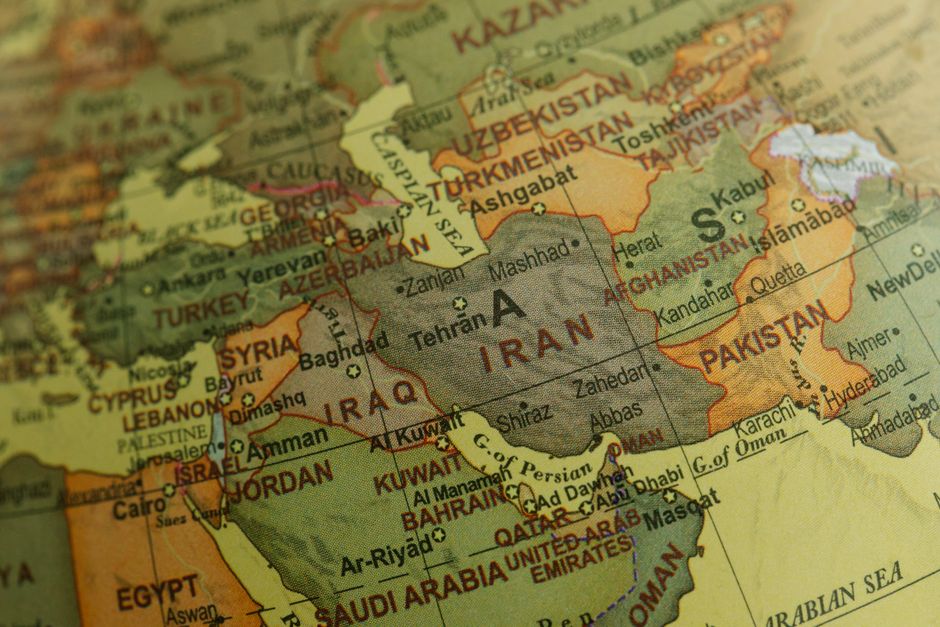
The swift reopening of the Strait of Hormuz—a critical chokepoint for global oil shipments—was a central component of the agreement. The strait’s closure had previously rattled energy markets, pushing prices higher and stoking inflation worries. Now, with the blockade ending, oil supply routes are expected to normalize.
The Strait of Hormuz carries nearly a fifth of the world’s petroleum. Its reopening could ripple through energy prices and broader financial markets.
Oil and the Strait of Hormuz: A Stabilizing Force
The most immediate impact of a verified deal is on oil markets. Oil prices had been volatile amid the blockade, contributing to inflationary pressures worldwide. The agreement’s approval could ease those pressures, stabilizing prices and lowering input costs for businesses. For central banks, this could reduce the urgency for further tightening, indirectly supporting equities and risk assets.
However, the effect is not guaranteed. The deal still faces implementation risks, and any breakdown in negotiations could send oil prices back up. The timeline for actually lifting the blockade and resuming full shipping operations remains unclear.
Japanese Stocks in the Crosshairs
Japanese stocks are particularly sensitive to this development. Japan is heavily reliant on oil imports, and lower energy costs would boost corporate margins in industries from manufacturing to transportation. The Nikkei and Topix indices could see upward pressure as the deal reduces a key geopolitical risk for the region.
But volatility is expected. Markets will react to each new headline from Washington and Tehran. Japanese equities have already shown signs of movement as the news broke, and traders are bracing for further swings. The interconnectedness of global markets means that a US-Iran deal can shift capital flows across borders, affecting currencies, bonds, and equities in tandem.
“Japanese stocks poised to rise as Trump signals US-Iran deal,” noted one report, underscoring the optimism among investors.
Bitcoin and Digital Assets: A New Dawn?
For Bitcoin and the broader digital asset ecosystem, the deal could mark a turning point. The reduction in geopolitical tensions and potential stabilization of oil prices may create a favorable environment for digital assets. Crypto markets have often thrived when traditional markets face uncertainty, but here the driver is the removal of a major risk factor.
Bitcoin may see increased volatility as traders reassess global risk appetite. A more stable geopolitical backdrop could encourage institutional investors to allocate more capital to crypto, especially if oil price stability reduces inflation fears and allows for looser monetary policy. Nonetheless, Crypto Briefing notes that risks and uncertainties remain—the deal is not yet finalized, and any hiccup could reverse the positive sentiment.
Risks and Uncertainties
While the outlook is positive, the situation is far from settled. The agreement between Trump and Khamenei is a preliminary step. Full verification and implementation will take time. Any failure in the process could reignite tensions, sending oil prices soaring and crashing risk assets like Bitcoin and Japanese stocks.
Moreover, the deal’s impact on other geopolitical hotspots—such as the Middle East’s broader proxy conflicts—is uncertain. Some analysts warn that a US-Iran détente could shift alliances and open new fault lines. For now, markets are pricing in the best-case scenario, but the risk of disappointment looms.
Looking Ahead
The next few days will be critical. Traders will watch for official confirmation of the deal, details on the naval blockade lift, and any statements from Iranian authorities. If the agreement holds, oil prices could trend lower, Japanese stocks may rally, and Bitcoin could attract fresh capital. But the path is narrow, and markets are primed for rapid shifts.
Investors should prepare for headline-driven volatility. The US-Iran nuclear deal, if fully realized, could be a watershed moment for global markets—but the story is far from over.