A potential US-Iran deal brokered by Pakistan could reshape geopolitical stability and oil markets, with a June 18 deadline now driving intense diplomatic efforts. Trump's phased plan and the novel use of crypto sanctions add a modern twist to an age-old conflict.
What to know
- Pakistan is mediating talks between the US and Iran, with a target agreement date of June 18.
- The deal is expected to be signed within days after that deadline.
- Donald Trump has proposed a step-by-step approach, using crypto sanctions as a potential pressure tool.
- A potential agreement could stabilize oil flows through the Strait of Hormuz, easing global energy tensions.
- The deal may boost investor confidence in risk assets, including cryptocurrencies.
- The White House received a draft agreement on June 18, setting that date as the deadline.
- Netanyahu has been briefed on the developments.
- If successful, this would mark a major shift in US-Iran relations and regional diplomacy.
The Pakistan Mediation: A New Diplomatic Player
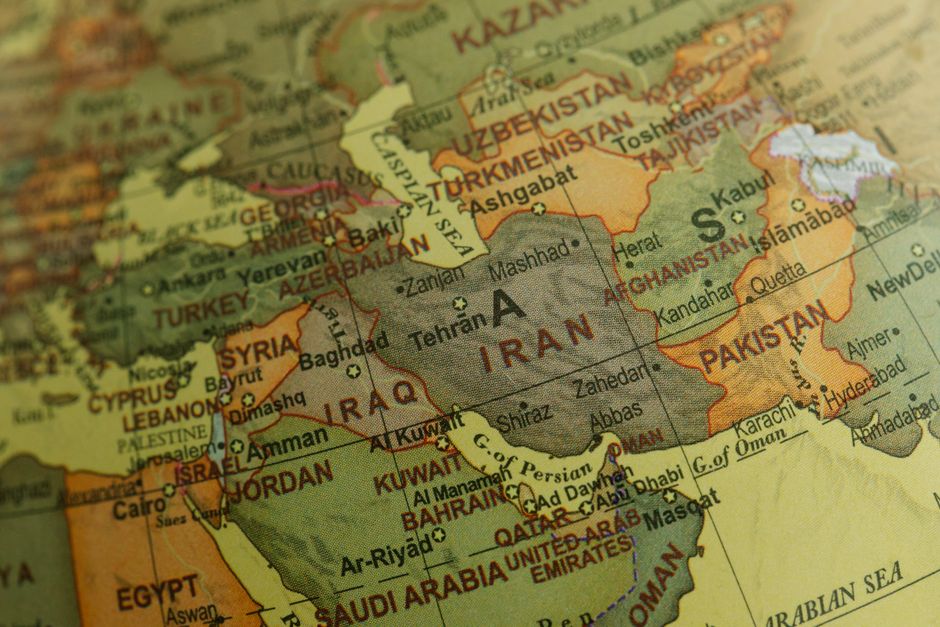
Pakistan has emerged as an unexpected but pivotal mediator in the long-running US-Iran standoff. With a June 18 deadline for a memorandum of understanding, Islamabad is leveraging its unique position — maintaining ties with both Washington and Tehran — to push for a breakthrough.
This isn't just a diplomatic curiosity. Pakistan’s involvement signals a broader realignment in the region. For years, Gulf states and European powers have tried and failed to bridge the gap between the two adversaries. Now, a South Asian nuclear power is taking the lead.
The timeline is tight. The White House is reportedly expecting a signed agreement within days of the June 18 target. If successful, it could reshape not only bilateral relations but also the broader geopolitical landscape of the Middle East.
Pakistan’s mediation could redefine regional diplomacy, influencing market dynamics and geopolitical stability.
The Step-by-Step Approach and Crypto Sanctions
President Donald Trump is not pursuing a single grand bargain. Instead, his administration is pushing a phased, step-by-step agreement with Iran. This incremental strategy aims to build trust while maintaining leverage throughout the process.
A key — and novel — element of this leverage is the use of crypto sanctions. Trump’s team has signaled that cryptocurrency-related penalties could serve as a pressure tool in international diplomacy. This marks a significant evolution in how digital assets intersect with statecraft.
Crypto sanctions could target Iran’s ability to bypass traditional financial restrictions using decentralized networks. By threatening to cut off access to crypto exchanges or freezing digital wallets, the US could add a new layer of economic pressure.
This approach is likely to be closely watched by other nations, especially those exploring crypto as a way to evade sanctions. If successful, it could set a precedent for future diplomatic negotiations.
Crypto sanctions represent a novel pressure tool in international diplomacy, potentially reshaping how digital assets are used in geopolitical conflicts.
Oil Markets and Global Stability
Any deal between the US and Iran would ripple through global energy markets. Iran holds some of the world’s largest oil and gas reserves, and its return to formal markets could increase supply and lower prices.
According to reports, a secret mission to stabilize oil flow through the Strait of Hormuz is already underway. The strait is a critical chokepoint for global oil shipments, and any disruption there sends shockwaves through energy markets.
If the deal holds, Iran could ramp up exports, easing the supply crunch that has kept oil prices elevated. This would have a calming effect on inflation expectations worldwide.
Markets have already shown signs of optimism. Risk assets, including cryptocurrencies, have rallied as the probability of a deal increases. A stable geopolitical environment historically boosts investor appetite for risk.
The potential US-Iran deal could stabilize geopolitical tensions, impacting global oil markets and boosting investor confidence in risk assets.
Investor Confidence and Risk Assets
For investors, the prospect of a US-Iran deal is broadly positive. Reduced geopolitical risk tends to lift equities, commodities, and even digital assets like Bitcoin. The narrative is clear: fewer flashpoints mean more predictable markets.
Crypto Briefing has noted that the deal could drive a rally in cryptocurrencies as traders price in lower uncertainty. However, the crypto sanctions angle adds a layer of complexity. While a deal may boost risk assets, it also introduces regulatory clarity — or the threat of it — for digital currencies.
Investors should watch how the phased agreement unfolds. Each step could either reinforce confidence or introduce new frictions, especially if crypto sanctions are applied unevenly.
Looking Ahead: What’s Next
The coming days will be critical. With a June 18 deadline already set, all eyes are on Islamabad, Washington, and Tehran. A signed agreement would be historic, but the real work lies in implementation.
Key questions remain: How will Iran respond to crypto sanctions in practice? Will oil markets price in a sustained supply increase? And can Pakistan maintain its mediator role as the process moves forward?
For now, the momentum is positive. But in geopolitics, agreements are fragile. The world will be watching closely as this high-stakes diplomatic chess match continues.