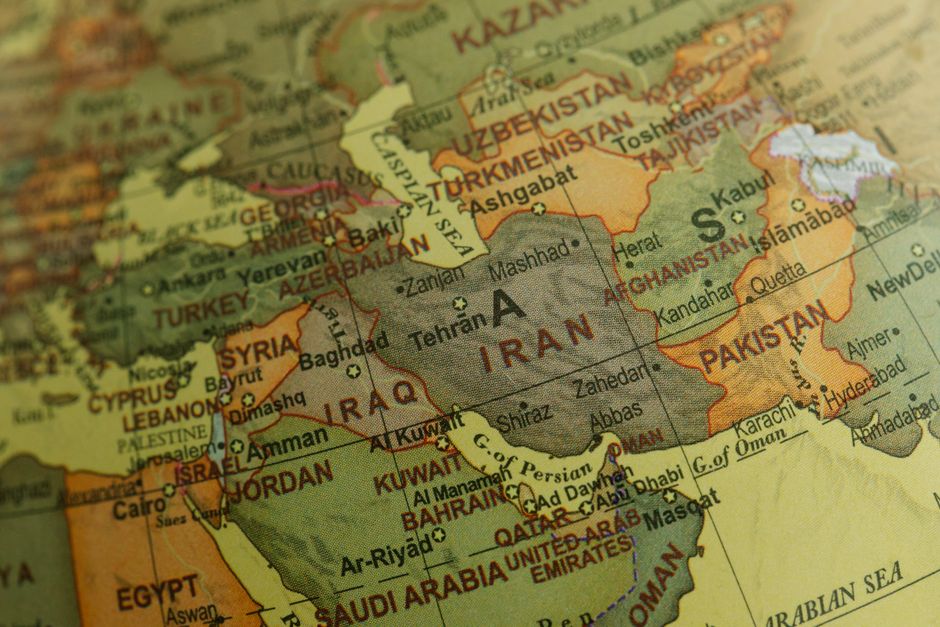
The United States has fired 49 Tomahawk cruise missiles at Iran, marking a sharp escalation that undermines diplomatic pathways and sends shockwaves through energy markets. The move, reported across multiple channels, risks pushing the region into a deeper cycle of confrontation.
What to know
- On June 10–11, 2026, the US launched 49 Tomahawk missiles against Iran in a major military escalation.
- The strikes heighten geopolitical tensions, increasing invasion risks while formal war declaration odds remain low.
- Diplomatic efforts are hindered, complicating regional stability and raising the risk of further military conflict.
- Energy markets face sustained volatility as supply disruption fears drive oil price surges.
- Global economic stability and strategic alliances are impacted by the unfolding crisis.
- Crypto assets have also experienced volatility amid broader market uncertainty, as reported by Crypto Briefing.
A Surge in Hostilities
The missile salvo sent a clear signal: the US is willing to use decisive force in its confrontation with Iran. The 49 Tomahawks, launched from naval platforms, struck targets inside Iranian territory. No formal declaration of war followed, but the escalation is unmistakable.
The missile strikes risk severing already fragile diplomatic channels, pushing the region closer to a wider conflict.
Crypto Briefing, one of the primary outlets covering the story, noted that the strikes increase invasion risks even as regime stability holds and the odds of a formal war declaration recede. This paradox defines the current standoff — a high-intensity but limited military action with unpredictable downstream effects.
Diplomacy at a Crossroads
The timing of the strike raises serious questions about coercive diplomacy. Just days earlier, there were indications that backchannel talks between US and Iranian representatives might gain traction. Now, those efforts lie in ruins.
The US strikes on Iran may hinder diplomatic efforts, increasing the risk of military escalation and complicating regional stability.
This dynamic is dangerous. When military action preempts diplomacy, it often leaves no off-ramp. The US may have intended to signal resolve, but the message received by Tehran — and by allied capitals — could be interpreted as a preference for confrontation over negotiation.
Oil Markets in Turmoil
Energy markets reacted almost instantly. Oil prices surged on supply disruption fears, reflecting the market’s acute sensitivity to anything that might choke flows from the Persian Gulf.
Sustained volatility is likely. Analysts point out that the US and Iran sit on opposite sides of some of the world’s most critical oil transit chokepoints. Any further escalation — even rhetorical — could send prices higher, feeding into global inflationary pressures.
Heightened geopolitical tensions may lead to sustained volatility in energy markets, impacting global economic stability and strategic alliances.
This is not just a regional problem. Oil-dependent economies in Asia and Europe face renewed uncertainty. Strategic alliances, long built on energy security, are being tested.
Global Ripples from the Gulf
The economic consequences extend beyond crude. Shipping insurers are hiking premiums. Supply chains that rely on the Strait of Hormuz are being reassessed. And central banks, already battling inflation, now have another variable to contend with.
Equity markets have turned cautious. The so-called “risk-off” trade is back. Investors are rotating into safe havens, while currencies of oil-importing nations come under pressure.
The US itself may face higher energy costs, potentially eating into consumer spending and corporate profits. The political calculus at home becomes more complicated with every tick higher at the pump.
Crypto Assets Caught in the Crossfire
Even Crypto Briefing, a media outlet focused on digital assets, found itself covering the geopolitical story. That’s because crypto markets are not immune. Bitcoin and other tokens sold off sharply as the news broke, mirroring moves in traditional risk assets.
Crypto assets have also experienced volatility amid broader market uncertainty.
Some analysts argue that decentralized currencies should benefit from geopolitical turmoil, as investors seek alternatives to state-controlled systems. But in practice, crypto remains highly correlated with equities during moments of acute stress. The flight to liquidity hits everything — gold, bitcoin, and stocks alike.
The longer-term implications are clearer: if the US–Iran crisis escalates further, regulatory and compliance landscapes for crypto firms operating across jurisdictions could tighten. Sanctions regimes often expand in such periods, and digital assets are increasingly in the crosshairs.
Looking Ahead
The immediate path forward hinges on Iran’s response. A retaliatory strike would raise the stakes dramatically. But even a measured, diplomatic retaliation could prolong uncertainty.
The US has signaled that the strikes are complete, but no one expects this to be the final chapter. Debates over coercive diplomacy will intensify. Will the show of force bring Tehran to the negotiating table, or will it entrench the regime’s hardline stance?
For markets, the watchword is volatility. Energy traders will scan for any disruption to supply. Crypto investors will brace for further correlation with macro risks. And diplomats will scramble to prevent the situation from spiraling.
The missile strikes heighten geopolitical tensions, increasing invasion risks while maintaining regime stability and reducing formal war declaration odds.
This is the new normal — a twilight zone between peace and war, where missile salvos replace dialogue, and every move is priced in real time. The world is watching. And waiting.