The 2026 FIFA World Cup is underway, and for the first time, cryptocurrency is a major player. With partnerships from Kraken, Chainlink, and Chiliz, the tournament promises to reshape fan engagement — but geopolitical hurdles over Iranian access threaten to steal the spotlight.
What to know
- The 2026 FIFA World Cup is hosted in Brazil from June 14 to July 15, 2026.
- Crypto exchanges and blockchain platforms Kraken, Chainlink, and Chiliz are official sponsors, marking the deepest crypto integration in World Cup history.
- The integration of crypto could legitimize decentralized applications, potentially influencing global regulatory perspectives.
- FIFA President Gianni Infantino failed to secure access for Iranian nationals to US-hosted World Cup games, raising geopolitical tensions.
- USA vs Paraguay kicks off the tournament tonight, with crypto already visible on the pitch and in fan engagement platforms.
- Crypto sponsorships at the World Cup highlight the industry's push for mainstream adoption, with potential ripple effects across financial trends.
The Crypto Kickoff
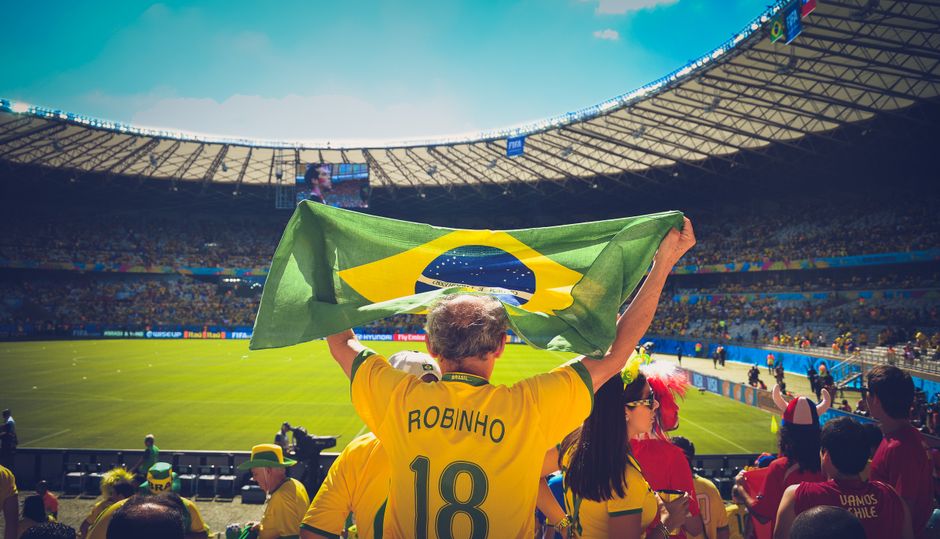
The whistle hasn't even blown, and the 2026 World Cup is already making history off the pitch. For the first time, multiple blockchain-native companies — Kraken, Chainlink, and Chiliz — have secured official sponsorship deals with FIFA. This isn't a one-off logo on a jersey. It represents a strategic bet that the world's most watched sporting event can serve as a gateway for crypto into everyday life.
Kraken brings its exchange platform to the global stage, potentially onboarding millions of new users during the month-long tournament. Chainlink's oracle network could power transparent ticketing, real-time data feeds, and decentralized fan voting. Chiliz (known for its fan token platform Socios.com) is expected to launch interactive token-based experiences for supporters in stadiums and at home.
This trifecta of sponsors signals that FIFA is willing to embrace decentralized technologies despite lingering regulatory uncertainty. The message is clear: crypto is no longer a fringe experiment — it's a legitimate partner in the world's biggest sporting spectacle.
The Real Match: Geopolitical Turmoil
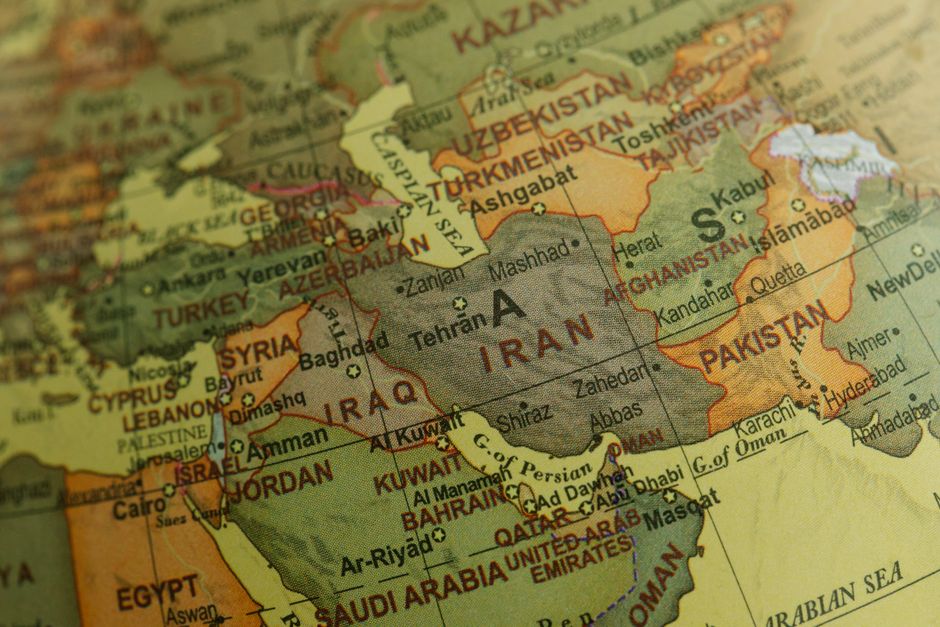
But not everything on the field is smooth. FIFA President Gianni Infantino has failed to secure Iranian access to US-hosted World Cup games. While the tournament is being played in Brazil, the US is co-hosting several matches, and Iranian fans and officials have been blocked from attending those games due to visa restrictions.
This is a high-stakes diplomatic tightrope. Iran and the US have no formal diplomatic relations, and sports has often been used as a bridge. Infantino's inability to resolve the issue puts FIFA in a delicate position — it must balance its apolitical charter with the realities of international travel sanctions and security concerns.
The situation could impact sponsor reputations. Brands associated with FIFA — especially crypto firms that are already under regulatory scrutiny — may face backlash if the access dispute escalates into a broader political crisis. The optics of a global sports body unable to guarantee participation for all teams' supporters are damaging.
What This Means for Blockchain Adoption
Despite the geopolitical clouds, the crypto integration is real and significant. The World Cup is a proving grounds for decentralized applications. Consider the potential use cases:
- Fan engagement via tokens: Chiliz can offer voting rights, exclusive content, and rewards through its Fan Token ecosystem, directly connecting global fans to their teams.
- Transparent ticketing: Chainlink's technology could combat scalping and fraud by providing verifiable, on-chain ticket provenance.
- Cross-border payments: Kraken could facilitate instant, low-cost remittances for traveling fans and merchants.
If these applications succeed at scale, they will create powerful case studies for regulators, investors, and other sports leagues. The 2026 World Cup could become a watershed moment for blockchain in sports, similar to how the 2014 Sochi Olympics showcased social media or the 2018 World Cup popularized VAR.
Risks and Regulatory Headwinds
But the road is not without potholes. Crypto sponsorship at this level invites intense scrutiny from regulators worldwide. FIFA is subject to the laws of every host nation — Brazil, the US, and Canada — each with different stances on digital assets.
Brazil has been relatively crypto-friendly, but the US Securities and Exchange Commission (SEC) has taken an aggressive enforcement posture. A major crypto glitch, hack, or compliance failure during the World Cup could set back adoption years.
Moreover, Chainlink and Chiliz must ensure their infrastructure can handle the global traffic spike. Oracle failures or token market volatility during live events could erode fan trust and invite negative headlines.
Who Stands to Gain?
Beyond the sponsoring companies, several groups could benefit:
- New crypto users: The visibility of the World Cup could drive millions to sign up for Kraken accounts, expanding the crypto user base.
- Decentralized application developers: Success stories from the tournament will provide blueprints for future integrations in sports, entertainment, and beyond.
- FIFA itself: By embracing crypto, FIFA positions itself as a forward-looking organization, potentially attracting younger demographics and new sponsorship dollars.
Conversely, traditional financial institutions and regulators who oppose crypto may see this as a threat to their control over global event economics.
Looking Ahead
The 2026 FIFA World Cup is more than a soccer tournament — it is a global experiment in decentralized sports economics. As USA and Paraguay take the field tonight, the real action may be happening in the blockchain and geopolitical arenas. The success or failure of crypto partnerships here could shape the future of sports sponsorship, fan engagement, and even international diplomacy.
All eyes will be on FIFA's handling of the Iranian access issue, and on how Kraken, Chainlink, and Chiliz perform under the brightest lights. For crypto believers, this is the kickoff they've been waiting for. For skeptics, it's a high-stakes test of whether digital assets belong on the world's biggest stage.