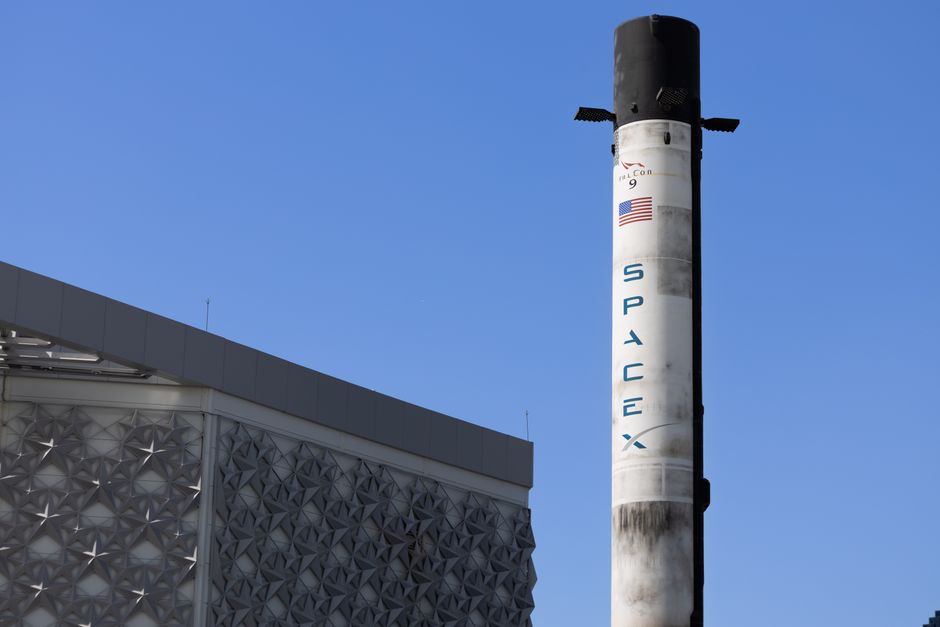
Anthropic is spending $1.25 billion every month on compute from SpaceX, a deal running through 2029 that was quietly disclosed in SpaceX's S-1 filing. The arrangement signals a new era where the world's most compute-hungry AI labs look beyond Earth for processing power.
What to know
- Anthropic pays SpaceX $1.25 billion per month for compute capacity, with the deal extending until 2029.
- The agreement was revealed in SpaceX's S-1 registration statement (ticker: SPCX), which calls it the "highest monetization density in AI infrastructure."
- SpaceX is pursuing an orbital AI compute initiative that leverages space-based data centers for cost efficiency and unique operational advantages.
- The deal underscores the dramatic growth in demand for AI training and inference resources, directly impacting GPU markets and the broader hardware ecosystem.
- Analysts warn that such massive infrastructure commitments could centralize power in AI development, raising entry barriers for smaller labs and threatening decentralized networks.
- SpaceX's ambitious total addressable market projection ($28 trillion) hints at a future where space-based compute becomes a dominant industry.
The Billion-Dollar Bet on Orbital Compute
The sheer size of the Anthropic- SpaceX compute deal is staggering. At $1.25 billion per month, the annual commitment exceeds $15 billion — a figure that dwarfs most cloud computing contracts and signals a fundamental shift in how frontier AI labs procure processing power.
SpaceX is not just a launch provider; it is becoming a compute utility. The company's orbital AI compute program aims to place data centers in space, taking advantage of solar energy, cooling efficiency, and latency benefits for certain workloads. The deal with Anthropic validates this vision at an industrial scale.
SpaceX's S-1 filing explicitly frames the Anthropic agreement as a benchmark for monetization density in AI infrastructure.
This partnership also reflects the brutal economics of advanced AI. Training cutting-edge models requires clusters of tens of thousands of GPUs running for months. Traditional terrestrial data centers face power constraints, cooling limits, and escalating land costs. Orbital compute, while niche today, could offer a scalable alternative if SpaceX executes on its roadmap.
Monetization Density and the S-1 Disclosure
The S-1 filing for SPCX is a treasure trove of strategic details. Among the most striking is the claim that the Anthropic deal represents the "highest monetization density" in the AI infrastructure market. This phrase suggests that SpaceX is generating more revenue per unit of compute capacity than any comparable provider.
Monetization density matters because it speaks to pricing power, contract structure, and operational efficiency. If SpaceX can charge a premium for orbital compute — due to its unique positioning or scarcity — it could generate outsized margins compared to terrestrial cloud giants like AWS, Azure, or Google Cloud.
However, the deal also locks Anthropic into a long-term, high-cost commitment. Should compute prices fall or alternative architectures (like custom ASICs) become more efficient, Anthropic could find itself overpaying. The risk is mutual: SpaceX is betting that Anthropic's demand will remain strong through the end of the decade.
The GPU Market Ripple Effect
Anthropic's massive compute procurement has direct implications for the GPU market. NVIDIA and other chipmakers have been struggling to meet explosive demand from AI labs. A single deal like this could absorb a significant portion of global GPU supply, further tightening availability and driving up prices.
Every $1.25 billion per month in compute represents tens of thousands of GPUs or equivalent accelerators.
Smaller AI startups and academic researchers already face long lead times and inflated costs for hardware. A hyperscale deal like Anthropic's could exacerbate the divide, concentrating the most powerful compute among a handful of players. This dynamic conflicts with the ethos of decentralized AI and open-source models that many in the community advocate.
Centralization Risks and Barriers to Entry
While the deal is a commercial win for both parties, it raises structural concerns for the AI ecosystem. If the most advanced AI models depend on infrastructure owned by a single company — SpaceX — that creates concentration risk. A technical failure, regulatory change, or geopolitical disruption could halt Anthropic's operations.
Moreover, the sheer capital required to match this deal locks out competitors. New AI labs would need to raise billions just to secure compute, narrowing the pipeline of innovation. This could lead to an oligopoly where a few incumbents control both the models and the underlying hardware.
SpaceX's orbital initiative, if successful, would be even more exclusive. Launch costs, satellite maintenance, and space debris management are inherently high-barrier activities. Only a handful of entities globally can operate in orbit, and SpaceX is the clear leader.
Looking Ahead
The Anthropic- SpaceX compute deal is a landmark in the convergence of space and artificial intelligence. It validates orbital infrastructure as a viable, high-margin business and signals that AI demand will continue to outstrip terrestrial supply.
Over the next few years, we will likely see other major AI labs follow Anthropic's lead, either by partnering with SpaceX or by building their own space-based compute. Regulators and industry bodies may need to address the centralization concerns, perhaps by mandating open access to certain compute resources.
For now, the deal sets a new baseline: the cost of frontier AI is now measured in billions per month, and the infrastructure to support it may soon orbit the Earth.