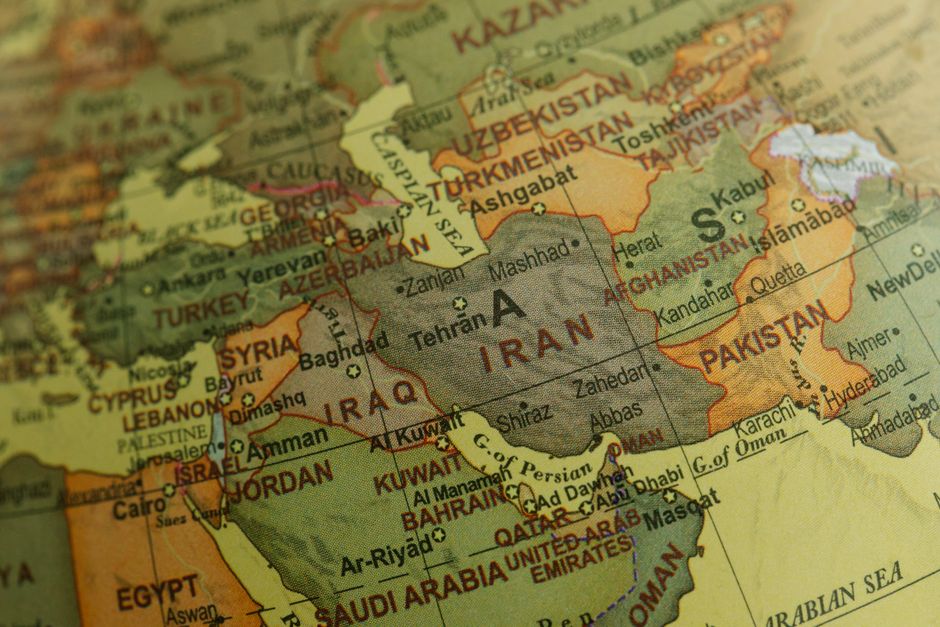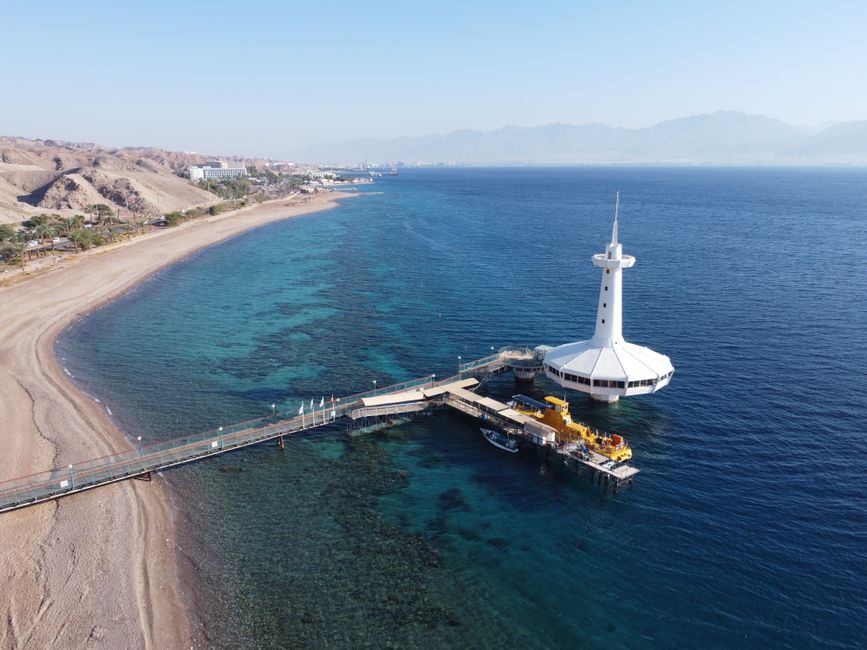
The Red Sea is heating up. Houthi forces have vowed to block Israeli vessels, while Iran escalates by blocking key straits and striking Israeli air bases. The world watches as trade routes and energy supplies hang in the balance.
What to know
- Houthis have announced plans to block Israeli ships in the Red Sea, directly threatening one of the world’s busiest maritime highways.
- Iran has physically blocked key straits and is reportedly planning strikes on Gulf energy sites, risking catastrophic supply disruptions.
- The IRGC struck Israeli air bases Nevatim and Tel Nof in retaliation, according to Fars news agency.
- Earlier, the Israeli military detected missiles launched from Iran, triggering nationwide alerts.
- The cascading events risk destabilizing regional peace and could draw in major global powers.
- Global energy markets are on edge, with Gulf infrastructure now a direct target.
- This multi-front escalation compounds existing geopolitical tensions and threatens the global economic outlook.
A Maritime Front Opens
On June 8, the Houthis, a Yemeni group aligned with Iran, vowed to block Israeli ships passing through the Red Sea. This is not a symbolic gesture — the Bab el-Mandeb strait at the southern end of the Red Sea is a critical chokepoint for global trade, including oil and container ships. Any sustained disruption would immediately raise shipping costs and insurance premiums, rippling through supply chains worldwide.
“The Houthi threat to Israeli ships in the Red Sea could heighten regional instability, affecting global trade routes and peace prospects.” — sourced from cryptobriefing.com
This move is clearly coordinated with broader Iranian strategy. The Houthis have long been a proxy force for Tehran, and this latest vow is a direct challenge not just to Israel, but to the international maritime order.
Iran's Bold Strait Blockade
On the same day, Iran escalated dramatically by blocking key straits — likely referring to the Strait of Hormuz or the Bab el-Mandeb — and planning strikes on Gulf energy sites. The Persian Gulf and its surrounding waters account for roughly 20% of global oil transit. A blockade or strikes on energy infrastructure would send oil prices soaring and could trigger a global economic shock.
“Iran's actions heighten geopolitical tensions, risking global energy supply disruptions and economic instability in Gulf regions.” — sourced from cryptobriefing.com
This is a direct assault on the global energy system. Gulf states such as Saudi Arabia, the UAE, and Kuwait would be immediately affected, but the impact would be felt in every country that relies on oil imports.
Retaliatory Strikes: Nevatim and Tel Nof
In a parallel escalation, the Islamic Revolutionary Guard Corps (IRGC) launched strikes on Israeli air bases Nevatim and Tel Nof. The Fars news agency reported these as retaliatory attacks, likely in response to prior Israeli operations against Iranian targets. Nevatim is a key Israeli air force base housing F-35 jets; Tel Nof is another major installation. Striking these bases is a serious military escalation.
The Israeli military had earlier detected missiles from Iran and issued nationwide alerts, indicating a high state of readiness. The strikes on air bases confirm that the conflict has moved beyond proxy warfare and into direct exchanges between the two nations.
“The escalation may lead to broader regional conflicts, affecting geopolitical stability and prompting international diplomatic interventions.” — sourced from cryptobriefing.com
The Ripple Effect on Global Trade and Energy
The combination of a Red Sea blockade and a Gulf energy site threat creates a nightmare scenario for global logistics. The Suez Canal, already a fragile chokepoint, depends on the Red Sea and Bab el-Mandeb. A Houthi blockade would force ships to take the much longer route around the Cape of Good Hope, adding weeks to transit times and billions in costs.
Meanwhile, attacks on Gulf energy infrastructure could physically destroy production capacity and storage facilities. Insurance rates for tankers in the region would skyrocket, and some may refuse to sail altogether. Oil prices could spike to levels not seen since the 1970s, fueling inflation and recession risks worldwide.
Financial markets are already jittery. The Crypto Briefing report ties these events to broader economic instability, and it is no stretch to see a flight to safe-haven assets like gold and the US dollar.
Diplomatic Pressure Mounts
The sheer scale of this crisis leaves little room for quiet diplomacy. The United Nations Security Council is likely to hold emergency sessions. The United States, European Union, and regional powers like Saudi Arabia and Egypt have direct interests in keeping the Red Sea and Gulf open. The US Navy's Fifth Fleet, based in Bahrain, may be called upon to escort shipping or enforce freedom of navigation.
But any military response risks dragging Washington directly into a conflict with Iran and its proxies. Diplomatic interventions must walk a tightline: confront Iran without triggering an all-out war, and pressure the Houthis without further alienating Yemeni factions.
Looking Ahead
The situation is far from stable. Iran has signaled it is prepared to escalate further, and the Houthis are committed to their blockade vow. Israel will likely respond to the air base attacks, potentially with strikes on Iranian soil or against IRGC assets in Syria and Iraq. The risk of a miscalculation is extremely high.
Global leaders must urgently engage all parties to de-escalate. The Red Sea and Gulf are too vital to the world economy and security to become battlegrounds. Every day of inaction brings the prospect of a wider regional war closer to reality.