A volley of ballistic missiles from Iran’s Islamic Revolutionary Guard Corps has sent shockwaves through global markets, wiping $80 billion from crypto valuations and reigniting fears of broader regional instability.
What to know
- Iran’s IRGC fired 12 ballistic missiles at a US airbase in Jordan.
- The strike triggered an $80 billion selloff across cryptocurrency markets.
- Oil prices surged more than $1 per barrel as energy supply chains faced new threats.
- Kuwait closed its airspace, disrupting aviation and amplifying regional volatility.
- Prediction market odds for an Iran peace deal plummeted, signaling fading diplomatic hopes.
- Explosions and airstrikes were reported across southern Iran and Tehran.
- The conflict is expected to continue, with no immediate de-escalation in sight.
The Missile Strike That Broke the Calm
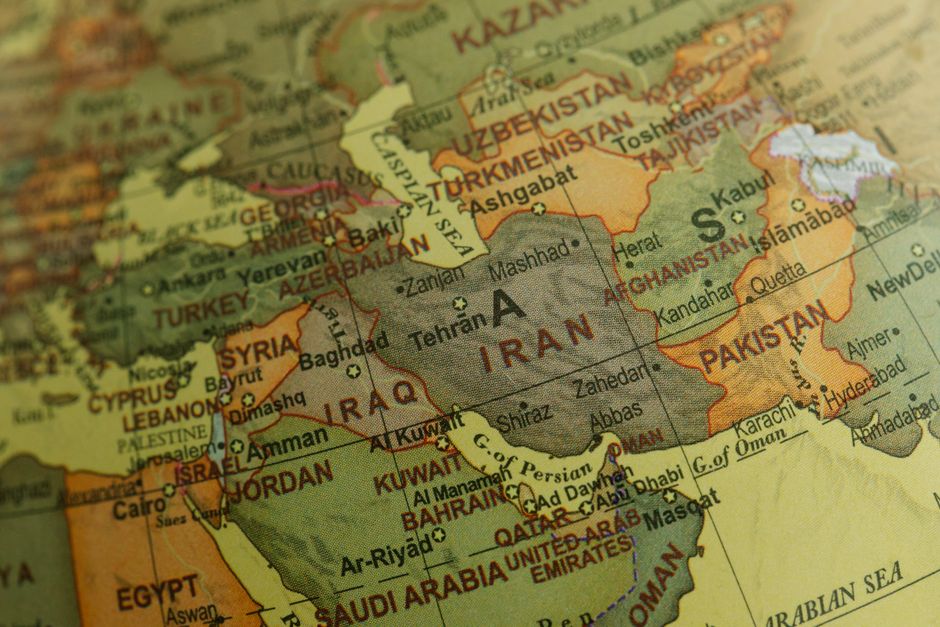
On June 11, 2026, the world woke up to news that the Islamic Revolutionary Guard Corps (IRGC) had launched a volley of 12 ballistic missiles at a US military airbase in Jordan. The attack marked a dramatic escalation in the long-simmering tensions between Washington and Tehran. Reports of explosions and airstrikes soon came from southern Iran and the capital Tehran, confirming that the US already had retaliated. What started as a regional confrontation quickly became a global market event.
The strikes hit at a time when diplomatic channels were already strained. The rapid decline in peace deal odds on platforms like Polymarket illustrated just how quickly the situation deteriorated. Hours before the missile launch, traders had priced in a modest chance of de‑escalation. By the end of the day, those odds had collapsed, replaced by expectations of prolonged conflict.
Crypto Markets in the Crosshairs
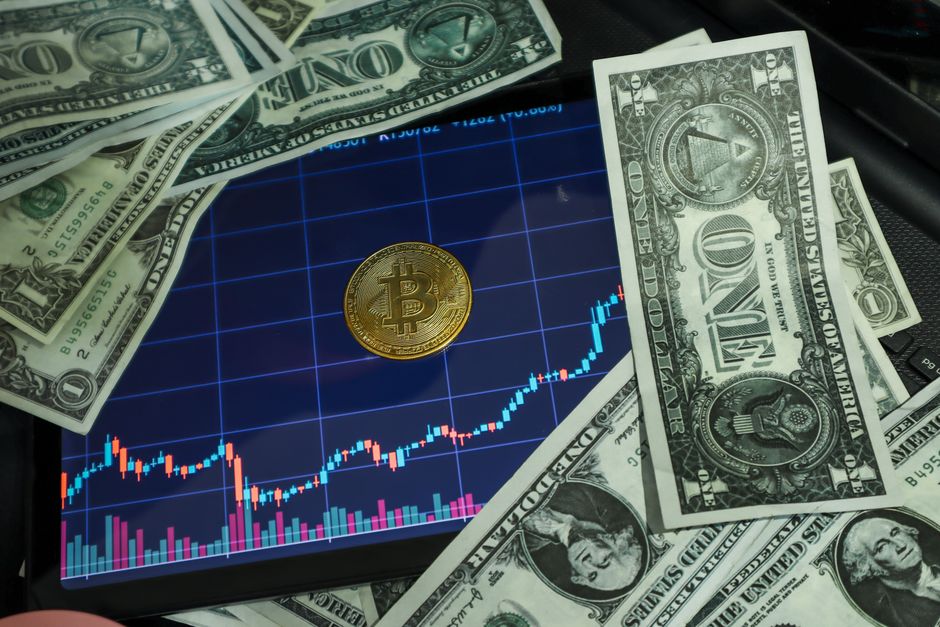
The crypto market response was immediate and brutal. Within hours, total market capitalization dropped by $80 billion, one of the largest single‑day selloffs tied directly to a geopolitical event. Analysts pointed to the spike in volatility and the sudden surge in liquidations as overleveraged positions were crushed. The missile strike underscored something crucial: even decentralized assets remain deeply sensitive to traditional geopolitical risks.
Crypto Briefing reported that the event highlighted the need for cautious leverage management. In a time of global uncertainty, traders who had piled on margin were caught off guard, facing cascading liquidations. The selloff also exposed the dual nature of cryptocurrencies. While they offer transparency on public ledgers, they can also be used to circumvent sanctions — a reality that policymakers are now examining more closely. The US and Iran stand at opposite ends of this debate, with the renewed conflict potentially accelerating regulatory scrutiny.
Oil and the Energy Disconnect
While crypto bled, oil markets surged. The benchmark price jumped over $1 per barrel as the missiles flew. The Strait of Hormuz — a critical chokepoint for global oil shipments — once again came into focus. Any disruption there could send prices spiraling far higher. The short‑term spike, however, was only the first tremor. Energy supply chains are now vulnerable to further escalation, especially if the conflict broadens to include other regional actors.
Kuwait’s decision to close its airspace added another layer of complexity. The closure disrupted commercial aviation and highlighted how quickly a military confrontation can ripple through civilian infrastructure. For energy markets, the message was clear: instability in the Middle East remains the single most potent wildcard for oil prices.
Diplomatic Fallout: Hopes Dashed
Before the missile strike, there had been cautious optimism about a diplomatic breakthrough. Negotiations had been progressing, and some analysts predicted a framework agreement within weeks. The attack crushed those hopes. The sudden drop in peace deal odds on prediction markets reflected a brutal reality check. Diplomatic efforts, already fragile, now appear stalled indefinitely.
For Iran, the decision to escalate suggests a regime willing to take substantial risks. Whether this is a negotiating tactic or a sign of deeper internal pressures remains unclear. For the US, the strike on a base in Jordan — a close ally — will almost certainly trigger a reassessment of its military posture in the region. The Pentagon is expected to reinforce air defenses and reconsider troop deployments.
Leverage, Liquidations, and the New Normal
The $80 billion selloff was not just a market correction; it was a stress test for crypto infrastructure. Leverage ratios had been climbing in the weeks leading up to the strike, as traders chased a rally fueled by speculation around spot Bitcoin ETFs and regulatory clarity. The sudden volatility exposed how fragile those positions could be. Major exchanges saw liquidation volumes spike, forcing some to briefly halt trading.
This event may become a turning point for risk management in digital assets. Derivatives platforms, which have grown rapidly, now face pressure to implement stronger circuit breakers and margin requirements. The Crypto Briefing analysis emphasized that “cautious leverage management” is no longer optional — it is survival. The era of high‑leverage, high‑reward trading may be giving way to a more sober, risk‑aware environment.
The Regional Domino Effect
Beyond the immediate market impact, the strike has set off a chain reaction across the region. Kuwait’s airspace closure was a pragmatic move, but it also signaled that neighboring states are bracing for a wider conflict. Airlines rerouted flights, logistics chains were disrupted, and insurance premiums for shipping in the Gulf are expected to rise.
Meanwhile, the airstrikes on southern Iran and Tehran indicate that the US is not backing down. The exchange of fire has turned a proxy confrontation into a direct military engagement. For now, both sides seem unwilling to de‑escalate. The timeline provided by Crypto Briefing shows that the events unfolded in rapid succession: peace deal odds dropped first, Kuwait closed its airspace, then the missiles flew, oil rose, and airstrikes hit Iranian territory. The sequence paints a picture of a crisis accelerating with no off‑ramp.
What This Means for Global Investors
For institutional and retail investors alike, the message is stark: geopolitical risk is back with a vengeance. The crypto selloff proves that no asset class is immune. Even Bitcoin, often described as a hedge against traditional turmoil, fell sharply alongside equities and commodities. The notion of crypto as a “safe haven” took a hit, at least in the short term.
Oil prices will remain the leading indicator to watch. If the conflict spreads to include Iran’s ability to export oil, prices could spike dramatically, fueling inflation and complicating central bank policy. That, in turn, would hit risk assets — including crypto — again. The US economy could face higher energy costs, potentially slowing the recovery and forcing the Federal Reserve to rethink its rate path.
Looking Ahead
The Iran‑US conflict is not expected to end soon. Both sides have entrenched positions, and the military escalation has made a negotiated settlement more difficult. For crypto markets, the next few weeks will be a test of resilience. Traders will need to watch for further attacks, diplomatic signals, and changes in oil prices.
Leverage management will be the watchword for the foreseeable future. The $80 billion selloff was a warning shot. Those who ignore it do so at their peril. The broader lesson is that the crypto ecosystem, for all its technological promise, still operates within a world of geopolitical shocks. Understanding that reality is the first step toward building a more robust market.