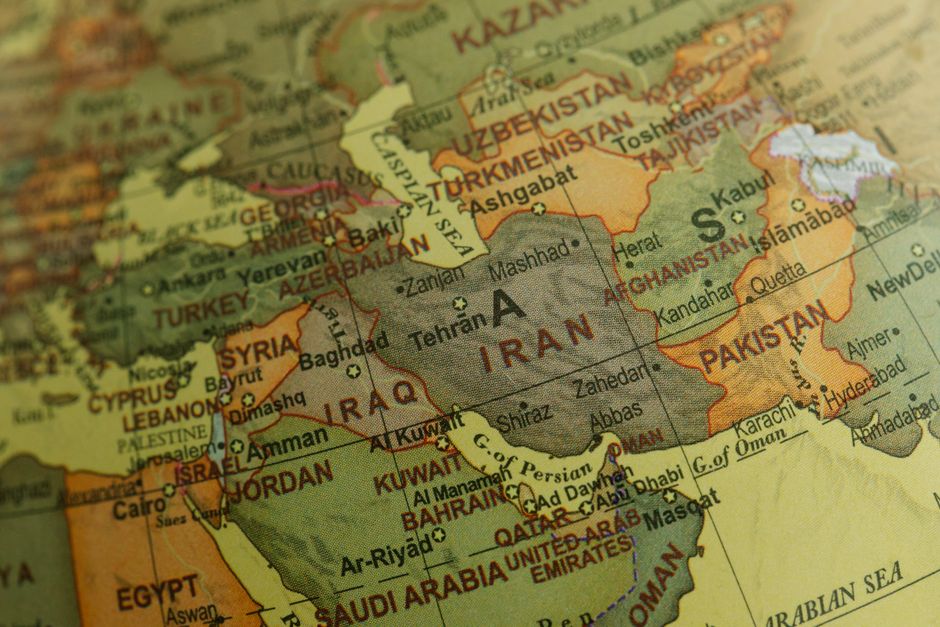
The Strait of Hormuz, the narrow waterway through which roughly a fifth of the world’s oil passes, has become the flashpoint of a new geopolitical crisis. Iran’s declaration of permanent control, coupled with direct military exchanges between U.S. and Iranian forces, has upended global energy markets and forced import-dependent nations to confront a rapidly shifting landscape.
What to know
-
Iran has asserted permanent control over the Strait of Hormuz, directly affecting all maritime traffic through the vital chokepoint.
-
The United States and Iran have exchanged air strikes near the Strait, marking a significant escalation in regional hostilities.
-
Japan’s oil imports from the Middle East have dropped by 67% due to the blockade, leading Tokyo to increase its imports of Russian crude.
-
A U.S. missile strike disabled a ship in the Gulf of Oman as tensions mounted.
-
Diplomatic talks between Saudi Arabia’s Crown Prince and French President Macron to discuss reopening the Strait are underway, but market skepticism about a quick resolution remains high.
-
The crisis highlights critical vulnerabilities in global energy security and the fragility of supply chains that underpin industrial economies.
The Strait of Hormuz: A Chokepoint Under Siege
The Strait of Hormuz is one of the world's most strategically important waterways. Connecting the Persian Gulf to the Gulf of Oman and the open ocean, it carries enormous volumes of crude oil and liquefied natural gas daily. Iran’s announcement of permanent control over this passage represents a profound shift in the region’s balance of power.
Iran’s move is not merely a show of force—it is a direct challenge to the freedom of navigation that global energy markets depend on.
Within days of the declaration, air strikes were exchanged between Iranian and U.S. forces near the Strait. The United States, which maintains a significant naval presence in the region, responded to what it described as a threat to international shipping. The exchange of fire underscores how quickly a blockade can escalate into open military confrontation.
Japan’s Energy Pivot: A Warning for the World
Perhaps the most telling indicator of the crisis’s impact comes from Japan. As a nation almost entirely dependent on imported energy, Japan has long relied on stable flows from the Middle East. That reliance has been shattered overnight.
Japan’s oil imports from the Middle East plummeted by 67% in the wake of the blockade. To compensate, Tokyo has dramatically increased its purchases of Russian crude—a ironic turn given the global sanctions regime and efforts to isolate Moscow over its own conflicts.
This energy pivot is a stark reminder that when major supply routes are severed, geopolitical alignments can shift quickly, and sanctions policies can become secondary to immediate energy needs.
The decision to turn to Russia highlights the vulnerabilities inherent in a global system that concentrates so much of its supply through a single geographic bottleneck. For other import-dependent nations—from South Korea to parts of Europe—the lesson is clear: diversification is no longer a long-term goal but an urgent necessity.
A New Cold War at Sea?
The Strait of Hormuz crisis is not occurring in a vacuum. It comes against a backdrop of broader U.S.-Iran tensions, including the earlier U.S. missile strike that disabled a ship in the Gulf of Oman. That incident, which preceded the current blockade, was a stark warning of the high stakes involved.
- The United States has signaled it is prepared to use military force to keep the Strait open, a stance that risks a prolonged and costly engagement.
- Iran, by asserting permanent control, is testing the limits of that resolve, betting that the world’s dependence on oil will give it leverage.
The exchange of air strikes near the Strait suggests both sides are willing to take risks. The question now is whether these remain tactical skirmishes or spiral into a broader conflict that could draw in regional allies and global powers alike.
Diplomatic Signals and Market Skepticism
Amid the military escalation, diplomatic channels have opened. Saudi Arabia’s Crown Prince and French President Macron have discussed ways to reopen the Strait of Hormuz. These talks represent a potential off-ramp—a recognition that neither side can afford a permanent blockade.
Yet market sentiment is bearish. Traders and analysts see the diplomatic effort as a positive signal, but the deep mistrust and the rapid pace of military actions suggest a prolonged period of uncertainty.
The involvement of Saudi Arabia and France adds weight to the discussions, but the core issue—Iran’s demand for permanent control—remains unresolved. Any deal would likely require concessions from both Tehran and Washington, and those are not forthcoming quickly.
Looking Ahead
The Strait of Hormuz crisis has entered a dangerous new phase. Iran has staked its claim with force; the United States has responded with air strikes; Japan has scrambled and turned to Russian oil; and diplomatic talks have begun under the shadow of ongoing military action.
What comes next depends on whether the parties involved can find a diplomatic solution before the conflict draws in even more players. For now, energy markets are bracing for volatility, and governments around the world are re-examining their own strategic vulnerabilities. The Strait of Hormuz is no longer just a shipping lane—it is the center of a geopolitical storm that could reshape global energy security for years to come.