As Israeli bombs fall on Beirut, a phone call between Netanyahu and Trump opens a fragile diplomatic channel — a high-stakes paradox that will shape the Middle East’s future.
What to know
- On June 1, 2026, multiple reports from Crypto Briefing documented both military escalation and diplomatic overtures in the Israel-Hezbollah conflict.
- Israeli Prime Minister Benjamin Netanyahu ordered airstrikes on a Hezbollah stronghold in Beirut, reducing prospects for peace.
- Simultaneously, Netanyahu and former US President Donald Trump discussed a Hezbollah ceasefire proposal, signaling a shift toward diplomatic solutions.
- Trump later announced a de-escalation, claiming it may enhance peace prospects and reduce regional tensions.
- The rapid sequence — strikes, talks, intensified strikes, then de-escalation — highlights a fragmented strategy that leaves markets and regional actors on edge.
- Key players include Israel, Hezbollah, Lebanon, and the United States (represented by Trump), with potential ripple effects across the Middle East.
A Tale of Two Signals
The events of June 1 present an apparent contradiction. Israeli warplanes struck deep inside Lebanon, targeting Hezbollah infrastructure in Beirut. The operation was framed as a response to ongoing Hezbollah attacks and aimed to degrade the group’s military capabilities. Yet within hours, reports emerged of a ceasefire proposal discussed directly between Netanyahu and Trump.
This dual-track approach is not unprecedented in conflict zones. Military pressure can serve as a negotiating tool, forcing an adversary to the table from a position of weakness. However, the timing and public nature of these moves create confusion. The escalation reduces the likelihood of withdrawal and complicates any immediate ceasefire, while the diplomatic track offers a potential off-ramp. For now, the two signals coexist, leaving analysts and diplomats scrambling to interpret which track will dominate.
The paradox is stark: bombs falling on Beirut while leaders discuss peace in a phone call. The outcome depends on which signal is the real message.
The Diplomatic Pivot
The conversation between Netanyahu and Trump represents a notable shift in the conflict’s dynamics. Although Trump is not currently in office, his involvement suggests ongoing influence over Middle East policy and potential coordination with Israeli leadership. The ceasefire proposal discussed during the call may have originated from intermediaries or as a joint idea, but its existence alone signals a willingness to explore diplomatic resolution.
Trump’s subsequent public announcement of de-escalation amplifies the diplomatic narrative. If acted upon, a ceasefire could reduce regional military tensions, stabilize borders, and alter the power balance between Israel and Hezbollah. It would also bolster Trump’s image as a dealmaker, a key part of his political brand. Yet the announcement remains just that — an announcement — until concrete steps materialize.
Israel’s official stance remains ambiguous. The government has not confirmed the ceasefire proposal, and military operations continue. This suggests that the diplomatic track may be exploratory rather than definitive. Still, the mere existence of high-level talks changes the trajectory of a conflict that had been spiraling toward full-scale war.
The Military Reality on the Ground
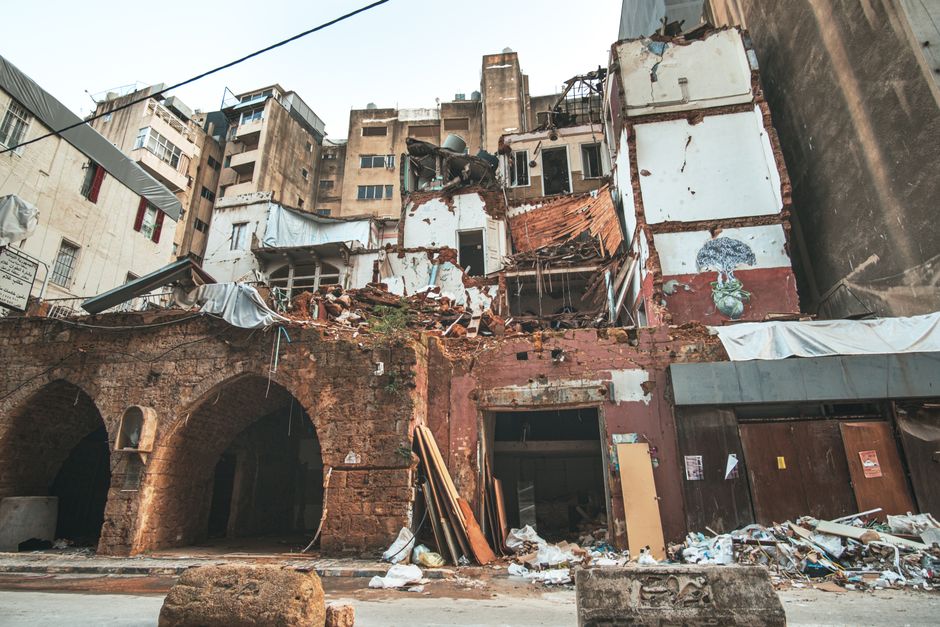
While phones rang in Washington and Jerusalem, the situation in Lebanon deteriorated. Israeli airstrikes intensified, hitting targets across the country as Hezbollah launched retaliatory attacks. The escalation reduces prospects for peace and stability, increasing regional tensions and complicating any diplomatic resolution.
On the ground, the humanitarian impact is severe. Civilians in Beirut and southern Lebanon face escalating violence, and infrastructure damage is mounting. For Hezbollah, the strikes test its military resilience and its political standing within Lebanon. For Israel, the campaign aims to secure its northern border but risks drawing the country into a prolonged conflict that could open multiple fronts, including with Iran-backed forces.
The military reality does not pause for diplomacy. Each airstrike erodes trust and deepens the conflict’s footprint.
Who Stands to Gain?
The primary stakeholders in this moment are clear: Israel, Hezbollah, Lebanon, and the United States (through Trump’s involvement). A successful ceasefire would benefit all parties by reducing casualties and economic disruption. For Israel, it would defuse a volatile front and allow focus on other threats. For Hezbollah, a ceasefire might preserve its capabilities and prevent a devastating ground invasion.
However, the risks are equally distributed. If the diplomatic track fails, the military escalation will likely intensify, drawing in regional actors and potentially Iran. The power dynamics in the Middle East could shift dramatically: a diplomatic resolution would weaken hardliner positions in both camps, while a prolonged war would strengthen them. Markets, already sensitive to instability in the region, are watching closely for signs of either outcome.
Looking Ahead
The coming hours and days will determine whether the ceasefire proposal gains traction or becomes another footnote in a long conflict. All eyes are on Netanyahu’s next moves and Trump’s ability to influence both Israeli policy and international perceptions. The dual track of violence and diplomacy cannot sustain indefinitely — one must give way.
For now, the region holds its breath. A shift toward de-escalation could reduce tensions and open a window for broader peace negotiations. But the persistence of airstrikes suggests that military logic still competes with diplomatic hope. The resolution of this paradox will define the next chapter of Israel-Hezbollah relations and the wider Middle East landscape.