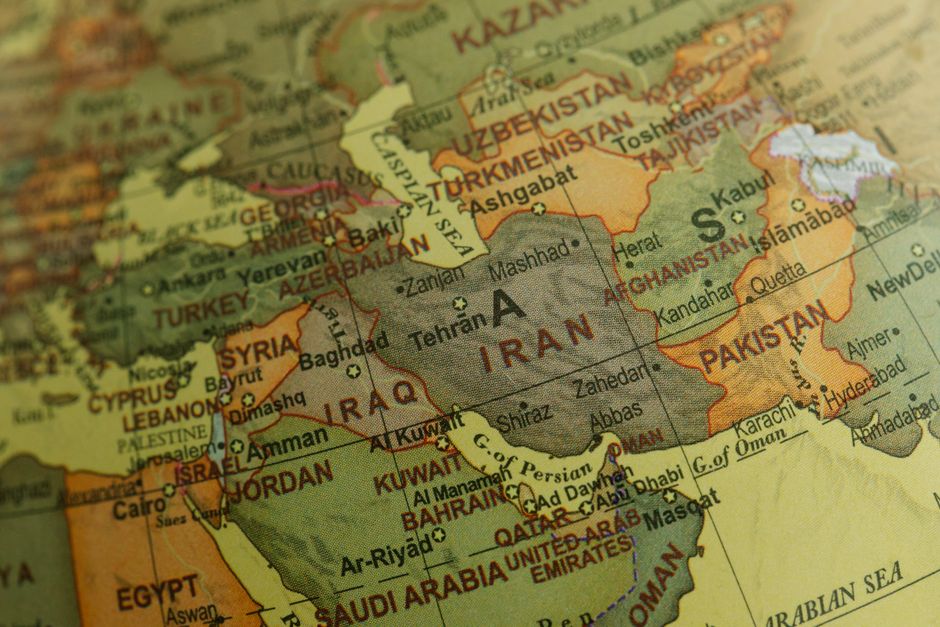
Geopolitical tensions between Iran and Israel have once again taken center stage, rattling global markets and sending Bitcoin on a volatile ride. The interplay between missile strikes and diplomatic overtures underscores the fragility of ceasefires in the region and the deep interconnectedness of modern finance.
What to know
- Iran launched missile strikes on Israeli targets, marking a sharp escalation in hostilities.
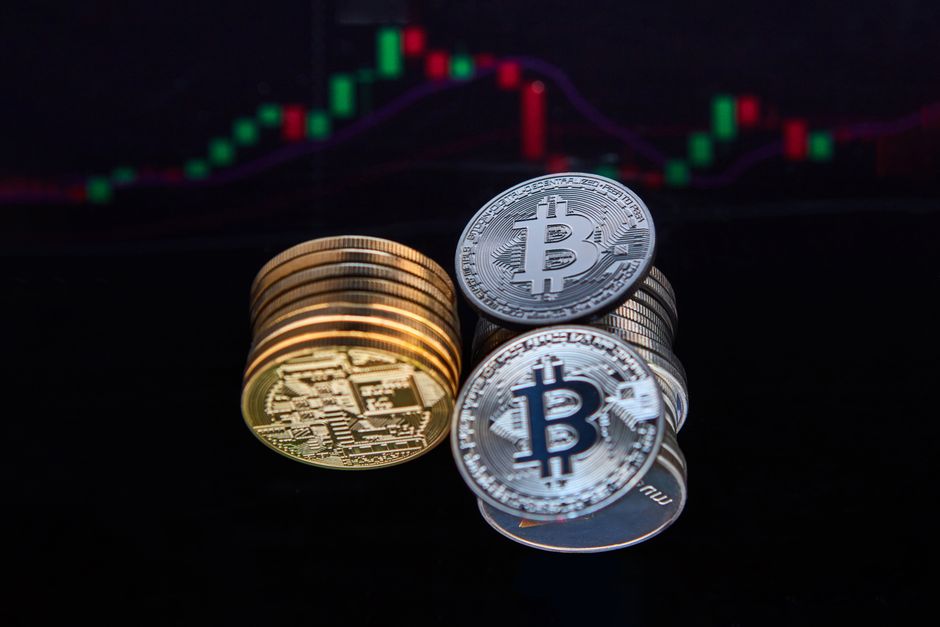
- Bitcoin slid to $63K following the strikes, then surged 5% on hopes of a ceasefire after former President Trump urged both sides to halt exchanges.
- Trump's call for de-escalation came amid fears that the conflict could destabilize global oil markets and spill into broader financial systems.
- The conflict highlights the fragility of ceasefires: a brief lull in fighting can reverse rapidly, as shown by the sequence of events.
- Crypto markets experienced whiplash, with Bitcoin's price swinging wildly in response to geopolitical headlines.
- Oil markets also reacted, with potential stabilization if the ceasefire holds, or renewed volatility if attacks resume.
- Investors across asset classes are on high alert, as the situation remains fluid and unpredictable.
The Return of Hostilities
The latest chapter in the long-running tension between Iran and Israel erupted when Iran's Khatam al-Anbiya launched missile strikes on Israeli targets. The attack sent immediate ripples through financial markets, with Bitcoin dropping to $63K as risk aversion took hold. This was not an isolated incident — it followed a pattern of escalating exchanges that have tested the resilience of regional ceasefires.
Within hours, former President Trump stepped in, urging both nations to halt exchanges of fire. His call for a ceasefire triggered a sharp reversal in sentiment, propelling Bitcoin upward by 5% as hopes for de-escalation buoyed risk assets. Yet the speed of the swing revealed a market deeply attuned to every twist in the geopolitical drama.
Why Global Markets Are Holding Their Breath
The immediate impact on crypto was striking, but the stakes go far beyond digital assets. The Iran-Israel conflict sits at the heart of global energy supply lines, and any sustained disruption could send oil prices soaring. Higher energy costs would feed into inflation, complicating central bank policy and weighing on equities. Crypto markets, increasingly correlated with traditional risk assets, would not be immune.
The fragility of the ceasefire is a key concern. As one report noted, the renewed conflict “underscores the fragility of ceasefires and highlights potential risks to global markets if escalation intensifies.” For investors, this means that a single missile or diplomatic misstep could reverse the current calm.
A Sequence of Shockwaves
The timeline of events reads like a rapid-fire case study in geopolitical risk:
- Iran missile strikes on Israel → Bitcoin slides to $63K
- Trump urges halt to exchanges → Bitcoin jumps 5% on ceasefire hopes
- Ceasefire holds temporarily → oil markets may stabilize
- But the underlying tensions remain, with both sides maintaining military readiness
Each headline caused instant repricing, demonstrating how quickly markets absorb and react to geopolitical developments. The pattern is familiar: fear triggers a sell-off, hope triggers a rebound. But the amplitude of the moves — a 5% swing in Bitcoin — underscores the heightened sensitivity.
Oil, Bitcoin, and the Battle for Stability
The dual impact on oil and crypto is no coincidence. Both are global, traded around the clock, and sensitive to geopolitical shocks. While oil faces supply risks from a region that produces a significant share of the world's crude, Bitcoin is increasingly viewed as a liquid risk-on asset that can serve as a hedge against fiat currency instability — but also as a barometer of global uncertainty.
If the ceasefire holds, oil prices could ease, reducing a key source of inflationary pressure. That would be positive for risk assets, including crypto. However, if hostilities resume, the reverse could happen: oil spikes, markets tumble, and Bitcoin could revisit its $63K low or even lower.
Who Pays the Price?
Beyond traders and investors, the real cost is borne by civilians in the region. The conflict disrupts lives and livelihoods, and the threat of further escalation looms over the entire Middle East. For global markets, the price is volatility — and the uncertainty that comes with it.
Crypto investors, in particular, are caught in the crossfire. The asset class has matured, but it remains highly sensitive to macro events. The Iran-Israel conflict is a stark reminder that no market operates in a vacuum.
Ceasefire or Escalation? The Road Ahead
The situation remains fluid. Trump's intervention may have bought time, but the underlying drivers of the conflict are deep-rooted. Markets will watch for three key signals:
- Diplomatic progress: Any formal ceasefire agreement or backchannel talks could calm markets.
- Military activity: A renewed strike from either side would trigger another sell-off.
- Oil price action: Sustained moves above key levels would signal broader economic risk.
For now, the ceasefire holds — but fragility is the watchword. Investors would do well to stay nimble, hedge positions where possible, and keep one eye on the headlines.