The first full evacuation order for Tyre signals a stark escalation in the Israel-Lebanon conflict, with airstrikes killing at least 13 and raising the specter of broader regional war.
What to know
- Israel conducted airstrikes on Tyre, southern Lebanon, on June 9, 2026, killing at least 13 people.
- The strikes followed the first-ever full evacuation order for the historic port city.
- The military actions heighten regional tensions, undermine ceasefire prospects, and increase geopolitical risks affecting market stability.
- Economic and diplomatic fallout could affect global markets as instability spreads.
- Iran has issued warnings, and the escalation risks drawing the country further into the conflict.
- The airstrikes exacerbate regional instability, diminishing prospects for a lasting peace deal.
- Increased military actions by Israel could significantly destabilize geopolitics, impacting prediction markets and diplomatic relations.
A City Under Orders
The ancient city of Tyre, a UNESCO World Heritage site on Lebanon's southern coast, has never seen an evacuation order of this magnitude. For the first time, its entire civilian population has been told to leave.
Hours later, Israel launched airstrikes that killed at least 13 people, according to reports. The strikes targeted what Israel described as militant infrastructure, but the human toll and the displacement of tens of thousands amplify the crisis.
The evacuation order itself is a dramatic escalation. Previous conflicts saw localized warnings, but a full city-wide evacuation indicates that Israel is prepared to use overwhelming force, or expects a prolonged campaign in the area. The move also signals that Israel no longer sees Tyre as a safe zone.
The Wider Regional Calculus
The airstrikes and evacuation are not happening in a vacuum. They come amid a faltering ceasefire between Israel and Lebanon, a truce that had been fragile from the start. The renewed violence pushes any diplomatic resolution further away.
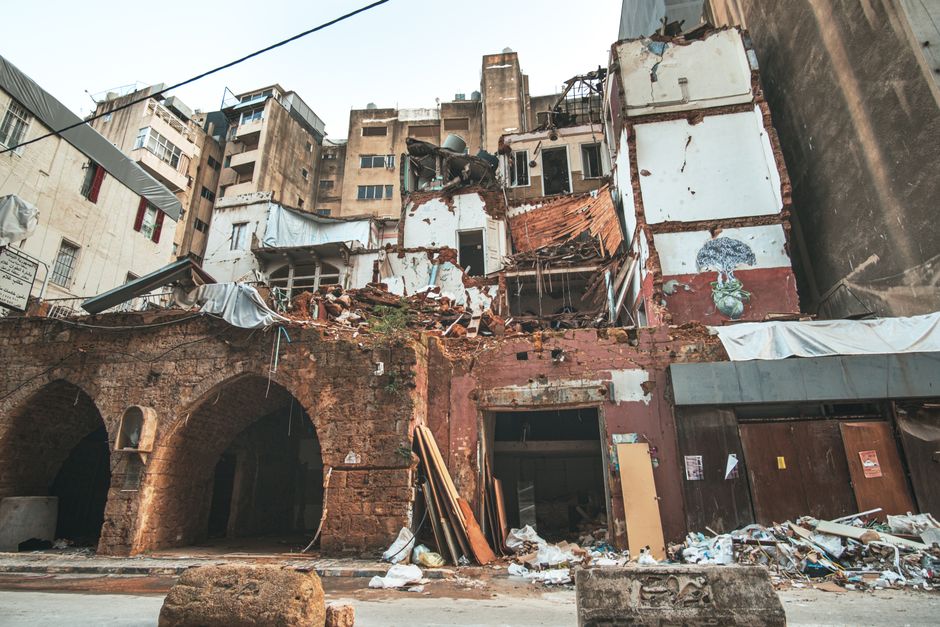
Lebanon is already grappling with a severe economic crisis, political paralysis, and the aftermath of the 2020 Beirut explosion. Another war would be catastrophic for its people and infrastructure. The airstrikes in Tyre threaten to ignite southern Lebanon once again, drawing in Hezbollah and other armed groups.
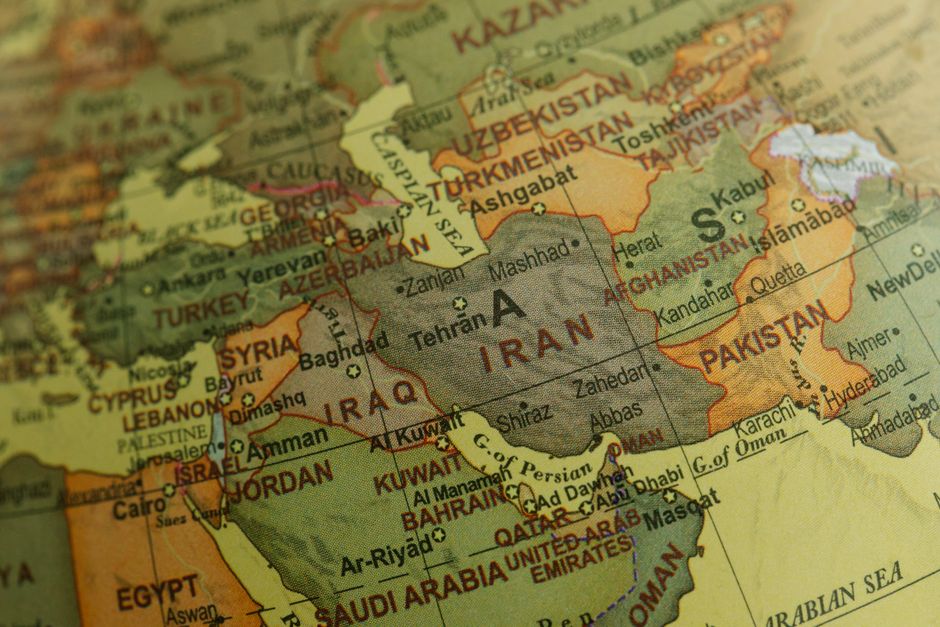
The broader region watches nervously. Iran, a key backer of Hezbollah, has issued warnings to Israel. The risk of a direct confrontation between Israel and Iran — fought on Lebanese soil — has not been this high in years.
When Conflict Hits Markets
Geopolitical risk is often an abstract concept until it moves markets. The Tyre escalation has direct implications for global financial stability. Oil prices may spike as traders price in the risk of supply disruptions from the Middle East.
Geopolitical risk affects market stability — and the Tyre strikes are heightening that risk significantly.
Crypto Briefing, which broke the story, noted that the "escalation in Tyre risks further destabilizing regional geopolitics, potentially impacting global markets." While the immediate focus is on human and diplomatic costs, investors are recalibrating.
Safe-haven assets like gold and the US dollar may see increased demand. Meanwhile, equities in sectors exposed to the Middle East — defense, energy, logistics — could see volatility. The situation underscores how a localized military operation can send ripples through the global economy.
The Iranian Dimension
Iran has been a shadow player in the conflict, but the Tyre airstrikes bring it closer to center stage. Iranian warnings to Israel have grown more explicit. The Islamic Republic has long supported Hezbollah with funding, weapons, and training. With Tyre — a city close to the Israeli border — under assault, Tehran may feel compelled to respond more directly.
An expanded conflict involving Iran would be a nightmare scenario for global diplomacy and markets. It could disrupt shipping through the Strait of Hormuz, send oil prices through the roof, and trigger a humanitarian catastrophe.
Israel is aware of this risk. The Israeli military's chief has warned of "heavier strikes" if attacks continue. That language suggests a strategy of escalation dominance — but it also raises the question: how far is too far?
Diplomacy in the Balance
The airstrikes undermine ceasefire prospects and complicate future diplomatic efforts. International mediators, including the United States and France, have been working to de-escalate tensions, but the violence in Tyre sets back those efforts.
A lasting peace deal between Israel and Lebanon now seems more distant than ever. The evacuation of Tyre could harden public opinion on both sides, making political compromise even harder.
The United Nations Interim Force in Lebanon (UNIFIL) has called for restraint. But with over a dozen dead and an entire city evacuated, the window for diplomacy is narrowing.
Looking Ahead
The coming days will determine whether Tyre becomes a flashpoint that triggers a wider war or a tragic episode that galvanizes renewed peace efforts. Israel shows no sign of backing down; Iran is on alert. Markets are bracing.
For now, the people of Tyre are fleeing, the dead are being buried, and the region holds its breath. The evacuation order may be a harbinger of worse to come — or a last warning before the storm.
The situation remains fluid. All eyes are on Tyre.