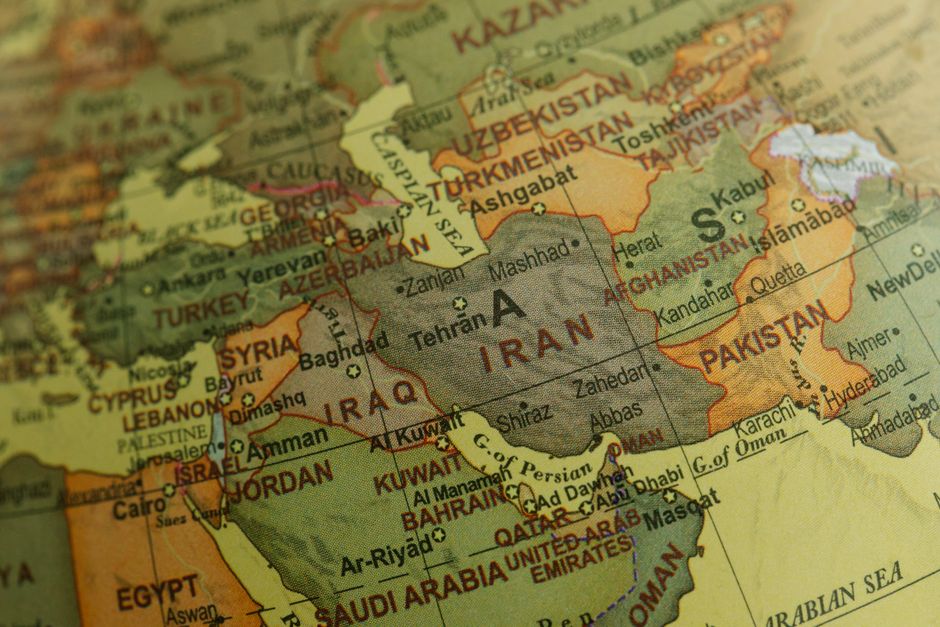
The prospect of a US-Iran peace deal, mediated by Pakistan, could reshape everything from global oil flows to the future of digital finance.
What to know
- Pakistan has mediated talks between the US and Iran, resulting in a draft agreement that includes an immediate ceasefire and sanctions relief.
- The deal is expected to be announced soon, with both sides narrowing gaps in negotiations.
- Iran has been using digital currencies to collect tolls in the Strait of Hormuz, a move that challenges global diplomacy and pressures crypto regulation.
- The agreement could stabilize regional tensions, impacting global oil markets and reducing geopolitical risk premiums.
- Peace talks are reshaping global risk dynamics, influencing energy prices, equity markets, and the role of crypto in sanctions evasion strategies.
- Asia-Pacific markets are set to open higher as risk appetite rises following the peace deal talks.
- The draft deal may redefine how crypto is used in international trade, potentially spurring new regulatory frameworks and impacting stablecoin markets.
- The Crypto Briefing report highlights that digital finance and crypto asset policies could see significant shifts as a result of the accord.
The Mediation Breakthrough
For months, the world has watched the US and Iran inch toward a diplomatic resolution. Now, with Pakistan stepping in as a mediator, the process has accelerated. According to reports from Crypto Briefing, a draft agreement has been finalized, and an announcement is imminent. The core components are a ceasefire and the lifting of economic sanctions — measures that would fundamentally alter the strategic landscape of the Middle East.
The choice of Pakistan as a broker is notable. It signals a broadening of diplomatic channels and reflects Islamabad's growing role in regional stability. The talks have progressed rapidly, with the timeline showing multiple developments in just the last few days.
"The agreement may stabilize regional tensions, impact global oil markets, and influence future digital finance and crypto asset policies."
This isn't just a geopolitical story. The deal's ripple effects are being felt across financial markets, and perhaps most unexpectedly, within the crypto ecosystem.
Oil Markets and the Strait of Hormuz
One of the most immediate consequences of a US-Iran rapprochement would be the stabilization of oil markets. The Strait of Hormuz, through which a significant portion of the world's crude oil passes, has long been a flashpoint. Iran has used its geographic position as leverage, and recently introduced a new twist: digital currency tolls for passage through the strait.
This move has challenged global diplomacy, directly impacting energy prices and forcing regulators to pay attention. The use of blockchain-based payments for such critical infrastructure represents a paradigm shift in how nations can exert economic pressure. A peace deal could reduce the urgency behind such unconventional toll mechanisms, potentially lowering the risk premium baked into oil prices.
At the same time, the easing of sanctions on Iran would release additional oil supply into global markets, further pressuring prices downward. For energy-importing nations in Asia-Pacific, this is a clear positive. Markets in the region are already reacting — reports indicate they are set to open higher as risk appetite improves.
Crypto's Unlikely Role in High-Stakes Diplomacy
The most surprising dimension of the US-Iran talks is the role of digital currencies. Iran has been actively exploring crypto as a tool to bypass sanctions and facilitate trade. The draft deal reportedly includes provisions that acknowledge the growing use of digital assets in international commerce.
According to Crypto Briefing, the agreement could "redefine global crypto use in trade" and spur regulatory changes. This is not merely theoretical. Iran's use of digital currencies for Strait of Hormuz tolls has already demonstrated the practical application of crypto in state-level economic strategy.
The deal's crypto implications may be the most far-reaching, potentially impacting stablecoin markets and shaping how regulators approach digital finance in the context of geopolitical risk.
If the US and Iran can agree on a framework that accommodates digital currencies, it could set a precedent for other nations. The intersection of sanctions relief and crypto policy is a delicate one. Regulators will need to balance the desire for innovation with the risks of illicit finance. The outcome of these negotiations could accelerate the development of clear, global standards.
Why This Deal Matters for Digital Asset Policy
For the crypto industry, the US-Iran agreement is a watershed moment. It signals that digital currencies are no longer a fringe concern — they are now central to high-stakes diplomacy. The US and Iran are effectively negotiating over the role of blockchain in trade and sanctions evasion.
The draft deal's inclusion of crypto-related terms suggests that both sides recognize the technology's permanence. This could lead to a new wave of regulatory clarity. Stablecoins, in particular, are under scrutiny. If the deal encourages the use of regulated stablecoins for legitimate trade, it could accelerate adoption. Conversely, if the deal cracks down on unregulated crypto usage, it may push activity further into shadow markets.
Crypto Briefing's coverage emphasizes that the peace talks are "reshaping global risk dynamics," impacting not just energy and equities but also the role of crypto in sanctions. This is a critical point. For years, crypto has been viewed as a tool for sanction evasion. A negotiated settlement that addresses this head-on could either legitimize certain use cases or lead to stricter oversight.
Market Reactions: Risk-On Sentiment in Asia-Pacific
The financial markets have wasted no time pricing in the potential for peace. Asia-Pacific markets are expected to open higher, buoyed by the prospect of reduced geopolitical risk. This risk-on sentiment is likely to spread to other regions as the announcement date approaches.
Equity markets that are sensitive to oil prices — such as those in Japan, South Korea, and India — stand to benefit. Lower oil prices reduce input costs for businesses and put more disposable income in consumers' pockets. At the same time, any clarity on crypto regulation could boost sentiment for digital asset firms and exchanges listed in the region.
However, investors should remain cautious. The deal is not yet signed, and the history of US-Iran negotiations is fraught with last-minute breakdowns. While the draft is in place, implementation will require careful monitoring. The role of Pakistan as mediator adds another layer of complexity.
Looking Ahead
The US-Iran agreement, brokered by Pakistan, is one of the most consequential diplomatic developments in recent memory. Its impact extends far beyond the Middle East — touching global energy markets, equity valuations, and the future of digital finance. The crypto angle, in particular, signals that blockchain technology is now firmly on the agenda of world powers.
As the announcement nears, all eyes will be on the fine print. How will sanctions relief be structured? What role will digital currencies play in the new arrangement? And how will other nations react? The answers to these questions will shape the geopolitical and financial landscape for years to come.
For now, the markets are betting on peace. Whether that bet pays off depends on the final handshake.