A series of announcements from tech’s leading edge reveal both the promise and peril of innovation — from robotaxis that can’t handle a rainstorm to a $200 billion chip bet and a mayor streaming on Twitch.
What to know
- Waymo has suspended its robotaxi service in both Atlanta and San Antonio because its vehicles keep driving into flooded roads. The company is working on a fix.
- Nvidia CEO Jensen Huang predicts a new $200 billion market for CPUs designed for AI agents, expanding beyond the company’s GPU dominance.
- Flipper Devices announced a new Linux-powered networking gadget for hackers and tinkerers, with a base model priced under $350.
- Wayve’s self-driving technology will appear in Stellantis vehicles by 2028, marking a major deployment in the U.S. market.
- New York City Mayor Zohran Mamdani launched a Twitch series today at 4 p.m. ET to chat directly with residents.
When Robotaxis Meet Rain
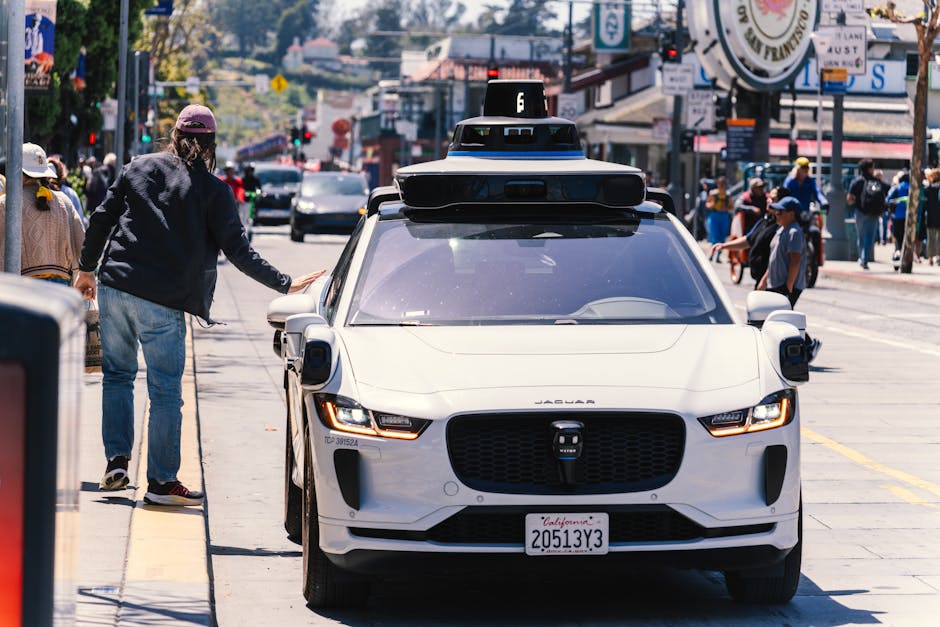
Autonomous vehicles have long struggled with adverse weather, and Waymo’s latest setback highlights just how far the industry still has to go. The company paused operations in two Southern U.S. cities — Atlanta and San Antonio — after its robotaxis repeatedly drove into flooded roadways, creating both safety hazards and public embarrassment.
The suspension is not a full retreat but a tactical pause. Waymo has not indicated when service might resume, but the incident underscores the fragility of perception systems in extreme conditions. Lidar, cameras, and radar can only do so much when water turns streets into indistinguishable surfaces.
Waymo’s suspension in two cities this week is a reminder that weather remains one of the hardest unsolved problems in autonomous driving.
This is not the first time a robotaxi fleet has been humbled by rain or snow, but it’s one of the most public. With competitors like Wayve pushing toward 2028 production vehicles, the pressure is on to prove that self-driving tech can handle more than just sunny suburbs.
Jensen Huang’s Next Big Market
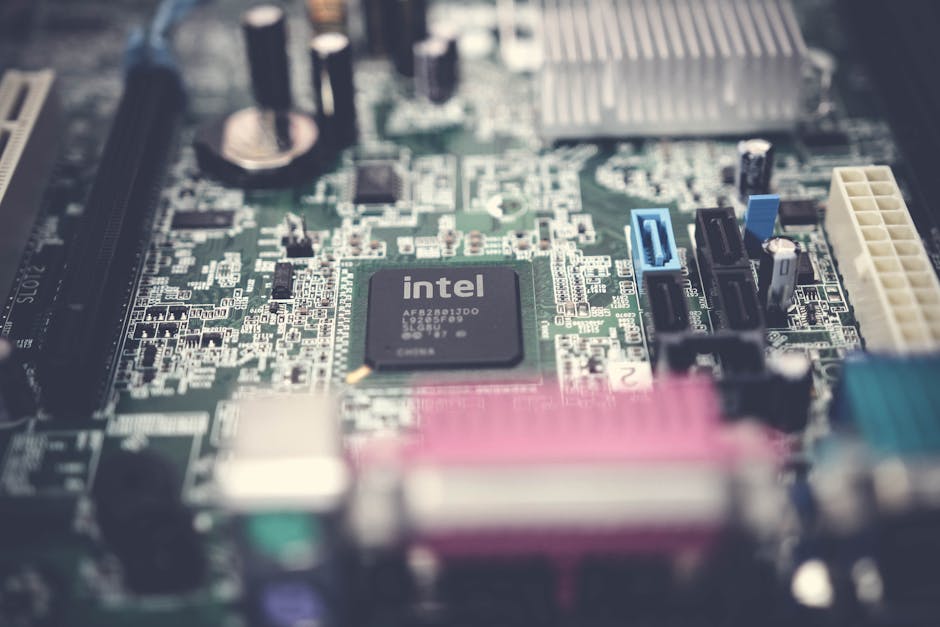
While Waymo works on puddles, Nvidia is looking at a much larger pond. CEO Jensen Huang predicted that CPUs for AI agents will represent a $200 billion market — an entirely new revenue stream for the chip giant.
Nvidia has long dominated the GPU market for AI training and inference. But Huang is now betting that a new class of processors, purpose-built for autonomous AI agents, will become essential as industries deploy more intelligent software. These CPUs would handle planning, reasoning, and real-time decision-making, freeing GPUs to focus on heavy compute.
The prediction is bold but not baseless. AI agents — from coding assistants to robotic controllers — are proliferating. If Nvidia can capture even a fraction of that market, it would dwarf previous growth cycles. Investors are listening: Nvidia’s stock has already priced in massive expansion, but Huang’s new forecast adds another layer to the story.
Flipper’s Open-Source Networking Play
On a smaller scale but no less intriguing, Flipper Devices announced a new gadget aimed at the hacker and tinkerer community. The device is Linux-powered, designed for networking tasks, and will start at under $350.
Flipper made its name with the popular Flipper Zero, a multi-tool for pentesters and hobbyists. The new gadget appears to extend that philosophy into the networking domain, giving users a portable, customizable kit for probing and understanding network infrastructure.
For under $350, Flipper is putting powerful networking tools into the hands of anyone curious enough to learn.
The company has not released full specs, but the announcement signals a growing appetite for consumer-grade security hardware that doubles as an educational platform. It’s a niche market, but one that keeps expanding as more people explore cybersecurity as a hobby or career.
Wayve and Stellantis: A Trans-Atlantic Alliance
Across the Atlantic, Wayve — a British autonomous driving startup — has secured a deal with Stellantis to bring its end-to-end self-driving system to the American carmaker’s vehicles by 2028.
Unlike Waymo, which builds its own vehicles and operates a ride-hailing fleet, Wayve licenses its software to automakers. The approach is less capital-intensive and potentially faster to scale. Stellantis, which owns brands like Jeep, Ram, and Peugeot, is betting that Wayve’s AI — trained on massive amounts of driving data — can be adapted to its lineup.
The timeline is conservative: 2028 gives Wayve years to refine its system and navigate regulatory hurdles. But it also means that by the end of the decade, millions of Stellantis vehicles could have Level 2+ or even Level 4 capabilities.
City Hall on Twitch
Finally, a story that may seem unrelated but reflects a broader trend: New York City Mayor Zohran Mamdani is launching a Twitch series to engage directly with constituents. The first stream aired today at 4 p.m. ET.
It’s a small but notable shift in political communication. Twitch, a platform dominated by gamers, is increasingly becoming a venue for politicians to bypass traditional media. Mamdani’s move could set a precedent for how urban leaders reach younger, digitally native populations.
Looking Ahead
This week’s news cycle is a microcosm of the tech industry’s complexity. Waymo is dealing with physics; Nvidia is chasing imagination; Flipper is empowering curiosity; Wayve and Stellantis are advancing collaboration; and Mamdani is embracing new mediums. Each development, on its own, points to a future that is more autonomous, more intelligent, and more connected — but also full of unexpected obstacles.
What we watch next: whether Waymo can solve the flood problem; how Nvidia’s CPU bet reshapes the chip market; whether Flipper’s gadget finds a mass audience; and if Wayve’s 2028 timeline holds. And, perhaps, whether more politicians will follow Mamdani to Twitch.