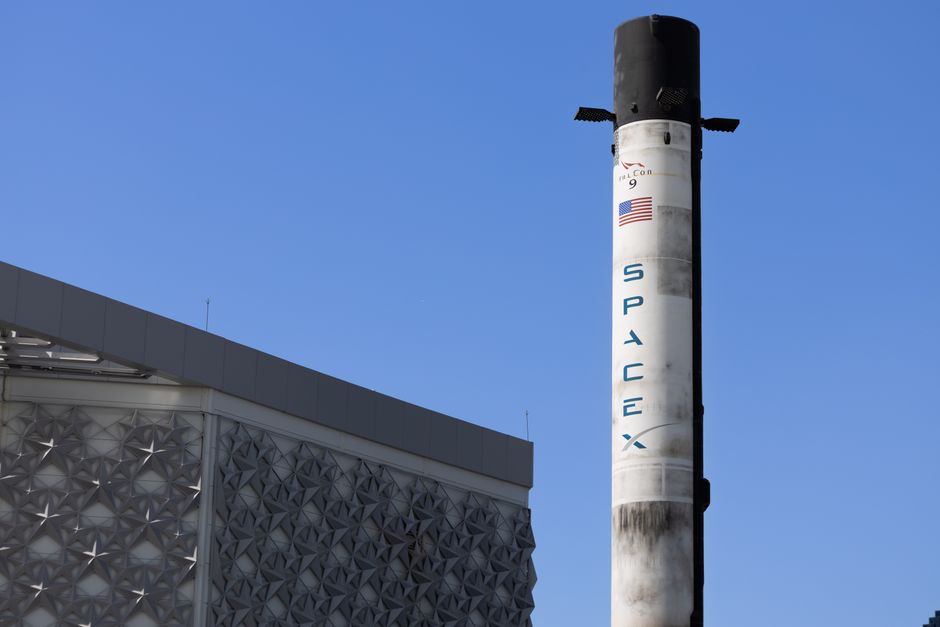
The convergence of space and crypto is no longer theoretical. As Solana spot ETFs cross $1B and SpaceX prepares for a record-shattering IPO, retail investors are bypassing traditional gatekeepers — and Wall Street is taking notice.
What to know
- Solana spot ETF AUM exceeded $1 billion at the end of May 2026, following $115.3 million in net inflows — the best monthly figure of the year for the fund.
- SpaceX, currently valued at $1.2 billion, is preparing for what could be the largest IPO in history, potentially elevating Elon Musk to trillionaire status.
- Crypto platforms are enabling retail investors to gain exposure to SpaceX before its public listing, bypassing traditional Wall Street intermediaries.
- The IPO is expected to shift investment dynamics, with Bitcoin playing a growing role in corporate treasuries.
- Solana's ETF success underscores the rising institutional appetite for crypto-based investment products despite ongoing regulatory scrutiny.
Solana ETFs Hit a New Milestone
In May 2026, the Solana spot ETF achieved a landmark: assets under management crossed the $1 billion threshold. The fund pulled in $115.3 million in net inflows, its strongest monthly performance of the year. This momentum reflects a broader trend of institutional capital flowing into digital asset ETFs, even as the broader crypto market navigates regulatory headwinds.
The Solana ecosystem has long been a favorite among developers and retail traders, but the ETF milestone indicates that traditional finance is warming to the asset. Analysts point to the product's structure — a spot rather than futures-based vehicle — as a key differentiator, offering investors direct exposure to Solana's price action without the complexities of self-custody.
"Solana spot ETF AUM crossed $1 billion by month-end, following $115.3 million in net inflows in May."
This figure is particularly notable given that many institutional investors remain cautious about crypto due to regulatory uncertainty. The success of the Solana ETF suggests that demand for regulated crypto exposure is outpacing skepticism. If the trend continues, other altcoin ETFs may follow suit, deepening the integration of digital assets into mainstream portfolios.
SpaceX's Path to the Record Books
While Solana captured headlines in the crypto world, SpaceX is gearing up for an initial public offering that could dwarf any previous IPO. The company, currently valued at $1.2 billion — though expected to command a far higher valuation at listing — is preparing for what sources describe as the largest IPO in history. The event could push Elon Musk's net worth into trillionaire territory.
SpaceX's credit market success has already signaled strong investor appetite. The company has emerged as a rising star in bond markets, raising capital at favorable terms. This financial strength, combined with its dominance in reusable rocket technology and satellite internet (Starlink), positions the IPO as a watershed moment for space investing.
"SpaceX prepares for largest IPO in history, nearing trillionaire status for Elon Musk."
The sheer scale of the offering is expected to draw both institutional and retail interest, but it's the retail side that is generating the most buzz. Traditionally, high-growth private companies like SpaceX were accessible only to accredited investors and large institutions. That dynamic is about to change.
The Retail Revolution Through Crypto Rails
A new wave of crypto-based platforms is offering retail investors a pathway to SpaceX shares before the official IPO. By leveraging blockchain technology and tokenized securities, these platforms allow users to purchase fractional ownership in private companies — effectively bypassing the accredited investor rules and high minimums enforced by Wall Street firms.
Decrypt reported that "with the help of crypto rails, retail investors have a variety of ways to bypass traditional Wall Street gatekeepers to get SpaceX exposure." This development democratizes access to one of the most anticipated IPOs in history, but it also raises questions about regulation and investor protection.
"With the help of crypto rails, retail investors have a variety of ways to bypass traditional Wall Street gatekeepers to get SpaceX exposure."
The use of cryptocurrency for purchasing these tokenized shares further blurs the line between investing and digital payments. Some platforms accept Bitcoin and other digital assets directly, reinforcing the narrative that crypto is becoming a functional layer for capital markets.
Bitcoin's Quiet Expansion in Corporate Strategy
The SpaceX IPO story is also intertwined with the growing role of Bitcoin in corporate treasuries. The IPO's impact on investment dynamics extends beyond space stocks: it highlights how Bitcoin is increasingly seen as a strategic reserve asset. The key point from Crypto Briefing noted that "SpaceX's IPO could shift investment dynamics, impacting crypto markets and highlighting Bitcoin's growing role in corporate treasuries."
This is not a standalone phenomenon. A growing number of companies are adding Bitcoin to their balance sheets as a hedge against inflation and a store of value. If SpaceX — a company with a market cap poised to surge — were to allocate even a small portion of its treasury to Bitcoin, it would send a powerful signal to corporate America.
The symbiotic relationship is clear: as crypto markets mature, they offer liquidity and infrastructure for large-scale transactions, while the success of crypto-backed investment products like the Solana ETF validates digital assets as an asset class.
Wall Street's Dilemma: Gatekeeper or Participant?
The developments around Solana and SpaceX present Wall Street with a strategic conflict. On one hand, traditional financial institutions stand to profit from underwriting the SpaceX IPO and offering related products. On the other hand, the rise of crypto rails threatens their intermediary role, potentially disintermediating them from lucrative deal flows.
Regulatory responses will be critical. The Securities and Exchange Commission has so far taken a cautious stance on tokenized securities, but the sheer demand for SpaceX exposure could accelerate guidelines. Wall Street firms may decide to partner with crypto platforms rather than fight them, adding legitimacy to the space.
Meanwhile, the Solana ETF's success demonstrates that traditional investment vehicles can coexist with decentralized alternatives. The question is whether Wall Street adapts fast enough to retain its position in the next wave of capital formation.
Looking Ahead
The convergence of a record-breaking SpaceX IPO and a surging Solana ETF signals a new era for both space investment and digital assets. Retail investors are gaining unprecedented access to private markets through crypto infrastructure, while institutions are pouring capital into regulated crypto products. The outcome of this dual trend will likely reshape how capital flows between emerging technologies and traditional finance.
Key watchpoints include the final valuation of SpaceX at IPO, the regulatory stance on tokenized securities, and whether Bitcoin adoption by corporates accelerates. For now, the lines between space and crypto are blurring — and investors on both sides should pay close attention.