The SpaceX IPO is drawing demand exceeding $250 billion, four times the shares on offer, and it is pulling capital away from crypto markets as retail investors rotate into the space giant's equity.
What to know
- Investor demand for SpaceX's IPO has reportedly reached $250 billion, making it oversubscribed by 4x.
- The offering is expected to raise $75 billion, valuing the company at $1.8 trillion.
- Crypto investors are selling Bitcoin to buy shares, potentially reducing liquidity in digital asset markets.
- The IPO highlights immense confidence in space technology and the leadership of Elon Musk.
- This could mark a significant rotation in retail investment focus from cryptocurrencies to traditional equities.
- The success of the SpaceX IPO may also boost confidence in future tech and aerospace IPOs.
- Analysts note risks tied to the company's high valuation and governance model as it transitions to a public entity.
The Scale of Demand: A Record-Breaking IPO
The numbers behind the SpaceX IPO are staggering. With demand reaching $250 billion, the offering is roughly four times oversubscribed. This puts it among the most anticipated public debuts in history. The company expects to raise $75 billion, giving it a valuation of $1.8 trillion — a figure that places it alongside the world's largest corporations.
$250 billion in demand, $75 billion in raises, and a valuation of $1.8 trillion — the SpaceX IPO is rewriting the rules of public offerings.
This level of interest is not limited to institutional investors. Retail investors have piled in, many of them liquidating other holdings to secure an allocation. The enthusiasm reflects a broader belief that SpaceX is not just a launch provider but a pivotal player in the future of space exploration, satellite communications, and interplanetary travel. 🌍
The Crypto Rotation: Bitcoin Bears the Brunt
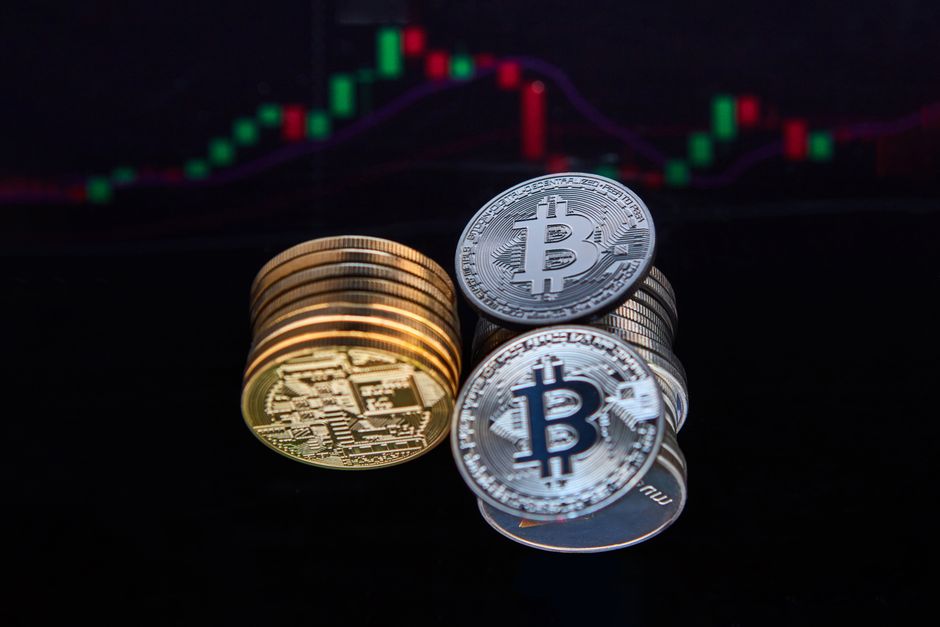
One of the most notable side effects of the SpaceX IPO is its impact on cryptocurrency markets. Multiple reports indicate that retail investors are selling Bitcoin to free up capital for the IPO. This shift is exerting downward pressure on the largest digital asset and draining liquidity from the broader crypto ecosystem.
The rotation is a clear signal that, for many investors, the promise of a publicly traded space giant outweighs the volatility and regulatory uncertainty of digital assets. Bitcoin has long been viewed as a store of value and a hedge against traditional markets, but the allure of owning equity in a company that has already achieved what NASA and other space agencies have struggled to do — reusable rockets, satellite mega-constellations, and plans for Mars — is proving irresistible.
"The SpaceX IPO's massive demand could significantly shift retail investment focus from cryptocurrencies to traditional equities, impacting crypto liquidity."
This is not an isolated event. It reflects a broader trend where retail investors are increasingly seeking exposure to high-growth private companies that are now coming to market. The SpaceX IPO may be the catalyst that accelerates this rotation, with implications for crypto markets that could persist for months.
Why SpaceX? The Allure of Space Tech and Musk's Vision
What explains the frenzy? Part of it is the brand power of Elon Musk, whose track record with Tesla and SpaceX has created a loyal following. But beyond personality, SpaceX represents a unique investment thesis: it is the dominant player in a rapidly growing industry — space technology — with a demonstrated ability to execute on ambitious projects.
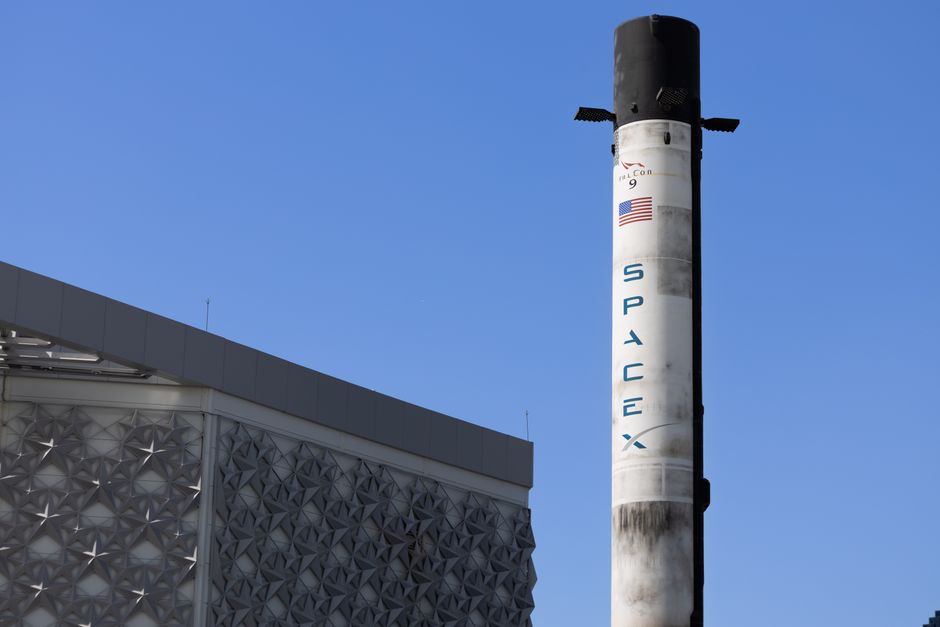
SpaceX has already transformed the launch market with its reusable Falcon 9 and Falcon Heavy rockets. Its Starlink satellite constellation now provides internet access to remote areas, generating a recurring revenue stream. And its Starship program, while still in development, promises to lower the cost of space travel even further, potentially opening up new markets from space tourism to resource mining.
The IPO's success highlights that investors are willing to pay a premium for this kind of technological leadership and market positioning. The potential to elevate Musk to trillionaire status is a headline-grabbing possibility, but the underlying driver is the conviction that SpaceX will continue to dominate the space economy for years to come.
Risks in the Orbit: Valuation, Governance, and Market Stability
Yet not all signals are positive. The SpaceX IPO carries significant risks that investors must weigh. The $1.8 trillion valuation is steep, especially for a company that, while profitable in some segments, still faces high capital expenditure needs and uncertain long-term demand for some of its services.
Governance is another concern. As a private company, SpaceX has operated with a highly centralized decision-making structure centered around Elon Musk. How that translates to the demands of public market transparency and shareholder accountability is an open question. Some analysts have flagged these governance risks as potential sources of volatility once the stock begins trading.
The high valuation and governance model of SpaceX pose risks for investors and market stability.
Additionally, the sheer magnitude of retail participation could lead to sharp price swings. If early investors rush to take profits or if the broader market sentiment shifts, the stock could experience significant volatility. For crypto markets, the rotation has already begun, and a prolonged outflow from Bitcoin into the SpaceX IPO could exacerbate bearish conditions in digital assets.
Implications for the Broader Market and Future IPOs
The SpaceX IPO is not just a standalone event. It has the potential to reshape the landscape for public offerings across the technology and aerospace sectors. A successful debut could encourage other private space companies — such as Blue Origin and Rocket Lab — to accelerate their own IPO plans. It could also boost investor appetite for other high-profile tech IPOs that have been delayed by market uncertainty.
Retail investment trends are shifting. For years, cryptocurrencies were the go-to alternative for investors seeking outsized returns outside of traditional markets. The SpaceX IPO offers a new narrative: the opportunity to own a piece of a transformative industrial company with tangible revenues and ambitious growth plans. This could herald a new era where retail capital flows more heavily into equities of companies that are building the future, rather than into purely speculative digital assets.
For the crypto industry, the signal is clear. The 'digital gold' narrative is being challenged by a physical — albeit space-based — asset class. Exchanges and crypto projects may need to adapt to a world where retail investors have more compelling equity options.
Looking Ahead
The SpaceX IPO has set the stage for one of the most consequential public debuts in financial history. With $250 billion in demand, it has already demonstrated that investor appetite for space technology is enormous. The coming weeks will reveal how the stock performs on its first day of trading, whether the rotation out of Bitcoin accelerates, and whether the broader market absorbs this supply without disruption.
For now, all eyes are on the launchpad. The rocket is fueled, the investors are lined up, and the market is holding its breath. The SpaceX IPO may just be the beginning of a new chapter for both space exploration and retail investing. 🚀