SpaceX finally made its IPO filing public on May 20, 2026, setting the stage for what is expected to be the largest initial public offering ever. On the same day, a data leak at Trump Mobile exposed customer email and home addresses, and Microsoft’s dominance in carbon removal faced uncertainty before a crucial deal emerged.
What to know
- SpaceX has released the contents of its IPO filing, weeks ahead of the anticipated largest IPO in history.
- Trump Mobile is leaking customers’ email and home addresses; the company has not responded to those who alerted it about the exposure.
- Microsoft accounts for over 90% of the carbon removal market, and reports indicated it was pausing purchases, but a new deal has helped calm CDR startups.
- Iris, an AI startup backed by Andrew Ng, launched as an “AI butler” that watches a user’s desktop and learns to automate tasks.
- Jeff Bezos spoke on CNBC Wednesday morning, though his exact remarks were not detailed.
The SpaceX IPO Filing Goes Public
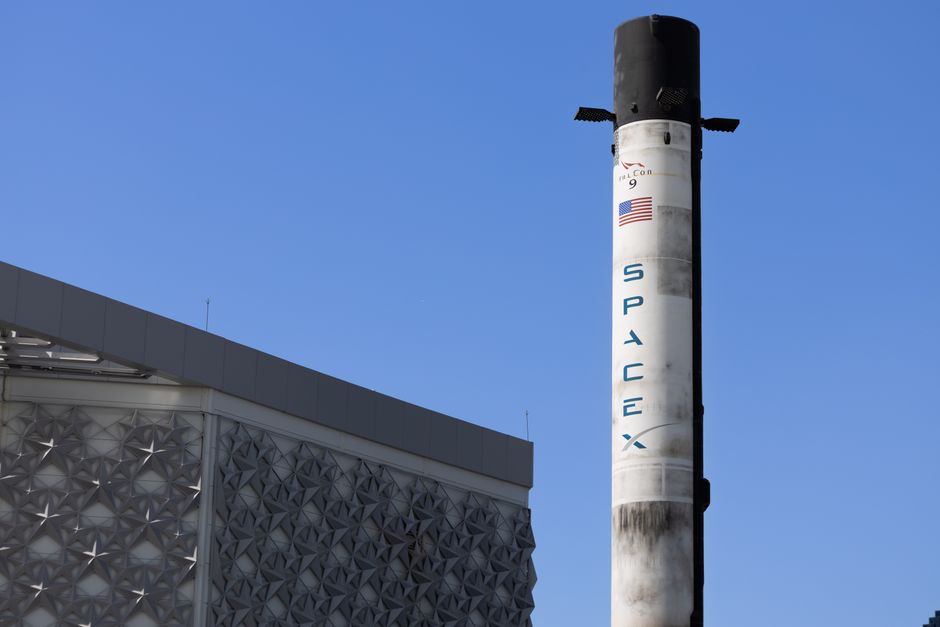
After months of speculation, SpaceX has finally made the contents of its IPO filing public. The company delivered the document weeks before what analysts believe will be the largest stock market debut in history. While the full terms remain under seal until the roadshow, the filing confirms that SpaceX is proceeding with a public offering that could reshape not just the space industry but the broader capital markets.
Investors have long awaited this moment, given SpaceX’s dominance in commercial launch services, its Starlink satellite internet business, and its ambitious Starship program. The IPO is expected to draw massive demand from both institutional and retail investors. The filing provides the first official look at the company’s financials and growth strategy, though those details have not yet been fully disclosed publicly.
The timing is notable. The filing comes amid a buoyant IPO market and growing confidence in space-related ventures. SpaceX’s move could unlock a new wave of investment in private space companies, many of which have been waiting for a public market leader to validate the sector.
Trump Mobile Under Fire
On the same day, Trump Mobile found itself at the center of a privacy crisis. According to reports, the company is leaking customers’ email and home addresses. Two YouTubers said they verified that their own leaked data was authentic and attempted to alert the company, but Trump Mobile has not responded.
Trump Mobile has not acknowledged the breach or taken public steps to notify affected users.
The exposure of personal information poses serious risks for customers, including potential identity theft and targeted scams. The lack of a response raises questions about the company’s security protocols and incident response procedures. Cybersecurity experts are likely to scrutinize how Trump Mobile handles customer data and whether it complies with regulatory requirements.
For users, the immediate concern is safeguarding their information. Without an official statement from Trump Mobile, it is unclear what steps the company is taking to contain the leak or prevent future incidents.
Microsoft and the Carbon Removal Market
Microsoft has been the dominant force in the carbon dioxide removal (CDR) market, responsible for over 90% of all purchases. That dominance made headlines when reports emerged that the tech giant was pausing its CDR purchases entirely. The news sent ripples through the ecosystem of startups that have grown to rely on Microsoft’s demand.
However, a new deal has helped assuage the fears of CDR startups. While the exact terms and partners were not disclosed, the agreement signals that Microsoft remains committed to offsetting its emissions through direct air capture and other removal technologies. The pause may have been a temporary reevaluation rather than a permanent halt.
The deal underscores how dependent the nascent CDR industry is on a handful of large buyers. Microsoft’s purchasing power alone can make or break the market’s growth.
The development comes as corporations face increasing pressure to meet netzero pledges. Microsoft has been a pioneer in this space, but its market dominance also means any shift in its strategy has outsized consequences for suppliers and climate advocates alike.
Iris: The AI Butler That Learns From Your Desktop
A new AI startup called Iris has emerged with an ambitious goal: an “AI butler” that watches everything happening on a user’s desktop and automatically learns how to perform tasks for them. Cofounded with backing from Andrew Ng, Iris is designed to observe workflows and replicate them without explicit programming.
The concept raises both excitement and caution. Automating repetitive tasks could save users hours each day, but the alwayson surveillance of desktop activity will prompt privacy questions. The company will need to clarify how data is stored, processed, and secured to win user trust.
Iris represents a trend toward more proactive AI assistants that don’t wait for commands but anticipate needs based on behavior. If successful, it could change how people interact with their computers, moving from manual operation to a partnership with an autonomous helper.
Bezos on CNBC
Jeff Bezos made an appearance on CNBC Wednesday morning, adding his voice to the day’s tech commentary. The specifics of his remarks were not reported in detail, but the timing—coinciding with SpaceX’s IPO filing and other major stories—makes his perspective on the space industry and broader tech landscape a notable addition to the conversation.
Looking Ahead
The convergence of these events on a single day underscores the breakneck pace of technological change. SpaceX’s IPO will be watched as a bellwether for the space economy. The Trump Mobile data leak is a stark reminder of the vulnerabilities in consumer privacy. Microsoft’s carbon removal pivot illustrates the fragility of climate tech markets, while Iris points to the next frontier of AI integration in everyday computing.
For investors, regulators, and consumers, each story carries lessons. The coming weeks will reveal whether SpaceX’s IPO lives up to the hype, whether Trump Mobile will address the breach, and whether Microsoft’s new deal can stabilize the CDR market. What is clear is that May 20, 2026, will be remembered as a day when multiple tech narratives shifted sharply forward.