At a White House ceremony, Kevin Warsh took the oath as Federal Reserve chair, with President Trump standing by and urging independence. His appointment, backed by ties to the crypto world, marks a potential turning point for both monetary policy and digital asset oversight.
What to know
- Kevin Warsh was formally appointed as Federal Reserve chair during a swearing-in ceremony at the White House.
- President Trump used the occasion to call on Warsh to remain independent from political pressures.
- Warsh has noted ties to the digital asset industry, raising expectations of a more crypto-friendly Fed.
- His leadership may lead to tighter monetary policy to fight inflation, while also navigating demands for economic growth.
- The Fed's institutional independence will be tested as Warsh balances pressures from the administration, markets, and Congress.
- The appointment follows Trump's previous criticism of the Federal Reserve for allegedly straying from its mandate.
- Market and political observers are watching for early signals on interest rate decisions and digital currency regulation.
A Historic Swearing-In at the White House
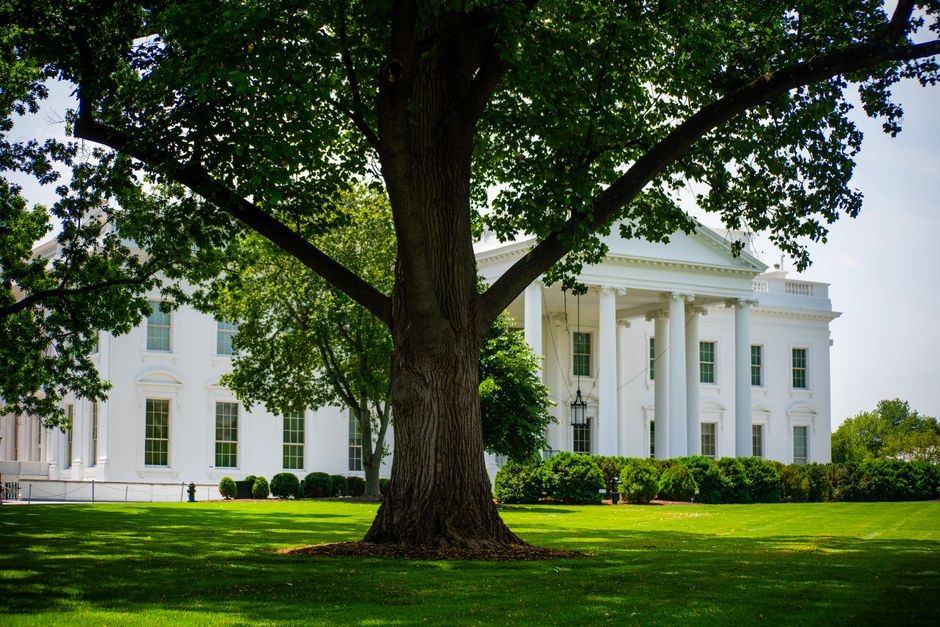
The ceremony marked a pivotal moment for U.S. monetary policy. Kevin Warsh took the oath of office as Federal Reserve chair in a White House event that drew attention not only for the appointment itself but for Trump's unusually public call for independence. The president, who has frequently criticized the Fed in the past for what he saw as policy missteps, used his remarks to emphasize the importance of the central bank's institutional autonomy.
Warsh's appointment comes after Trump criticized the Federal Reserve for straying from its mandate, according to reports from Crypto Briefing.
The event signals a potential reset in the relationship between the executive branch and the central bank. Warsh now steps into a role that will test his ability to make independent decisions on interest rates and inflation control, all while the administration watches closely.
The Independence Challenge
Political independence is the bedrock of the Federal Reserve's credibility. Warsh's pledge to operate without interference is seen as essential for maintaining market confidence. Yet the circumstances of his swearing-in — a public endorsement from a president who has not shied away from criticizing the Fed — have raised questions about how real that independence will be.
His leadership at the Fed will test his ability to balance inflation control with economic growth, amid political and market pressures.
The tension is not new, but Warsh enters at a particularly delicate time. With inflation still a concern and growth expectations moderating, every policy move will be scrutinized for signs of political influence. If Warsh caves to pressure to keep rates low, he risks fueling inflation. If he tightens too aggressively, he could choke off growth. The middle ground is narrow.
Crypto and the Fed
One of the most intriguing aspects of Warsh's appointment is his known connection to the cryptocurrency space. While the Fed has traditionally taken a cautious stance on digital assets, Warsh's background suggests a possible shift toward a more welcoming regulatory environment.
Warsh's leadership may shift Fed policies towards crypto-friendly stances and fiscal collaboration, impacting economic and digital currency landscapes.
Market participants in the crypto sector are watching closely. A more open approach from the Federal Reserve could legitimize digital currencies further and stimulate innovation. At the same time, any relaxation of oversight could raise concerns about financial stability. The Fed's role in regulating digital assets — if expanded — would add a new dimension to monetary policy.
Tightening or Easing?
The Fed's primary tools remain interest rates and balance sheet management. Under Warsh, the central bank may lean toward tighter monetary policy to contain inflationary pressures. However, political headwinds from the administration — which has called for lower rates to boost growth — could complicate that path.
Warsh's leadership may tighten monetary policy, impacting inflation control and digital asset markets, while testing the Fed's political independence.
Tighter policy would likely put downward pressure on risk assets, including cryptocurrencies, in the short term. But if Warsh successfully communicates a steady, data-dependent approach, the long-term outlook could stabilize. The digital asset market, already volatile, faces an additional layer of uncertainty as the Fed charts its course.
Political and Market Pressures
Warsh does not step into a vacuum. The Trump administration has made clear its desire for lower interest rates, while lawmakers on both sides watch the Fed's every move. Trump's earlier criticism of the Fed for straying from its mandate sets the stage for continued tension.
Warsh's leadership at the Fed will test his ability to balance inflation control with economic growth, amid political and market pressures.
Market participants will be looking for early signals: minutes from the first meeting under Warsh, public statements, and any hints of coordination with the White House. If Warsh can demonstrate independence in both word and deed, confidence may hold. If not, the Fed's credibility — and the dollar — could suffer.
Looking Ahead
Kevin Warsh now holds one of the most powerful economic positions in the world. His next moves will be dissected by investors, politicians, and the crypto community alike. The key open questions remain: Will his Fed truly be independent? And how will his crypto ties influence policy on digital assets?
The answers will shape not only U.S. monetary policy but also the global financial landscape. Warsh has pledged independence. Now he must prove it.