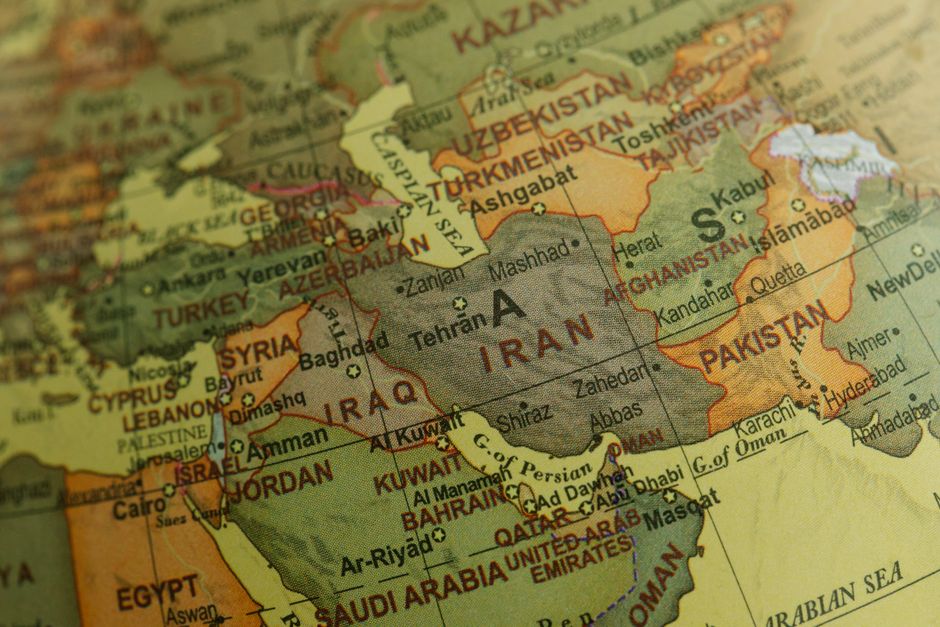
In a bold and coordinated military operation, the United Arab Emirates struck dozens of targets inside Iran with backing from the United States and Israel. The strikes, reported on May 29, 2026, have shattered the fragile diplomatic standoff and set the stage for potential Iranian retaliation with far-reaching consequences for markets, energy, and the crypto sector.
What to know
- The UAE conducted dozens of airstrikes on Iran with the support of the US and Israel.
- The US had previously warned Iran of military action if a ceasefire deal were rejected.
- The escalation risks prompting Iranian retaliation and further destabilizing the region.
- Regional markets are expected to face volatility, with global oil prices under upward pressure.
- The crisis may shift crypto industry dynamics away from the UAE, a key hub for digital assets.
- The timeline of events includes an earlier incident of a US aircraft shot down over Iran, heightening tensions.
The Airstrikes and the New Military Axis
The operation, first reported by Crypto Briefing, marks an unprecedented level of direct military coordination between the UAE, US, and Israel. While the three nations have long shared intelligence and security interests—particularly regarding Iran—a joint airstrike campaign represents a new and aggressive phase in the region’s power dynamics.
The strikes come days after the US issued a stark warning to Iran: accept a ceasefire deal or face military consequences. That warning, reported on the same day as the airstrikes, underscores the rapid pivot from diplomacy to force. The UAE’s decision to lead the operation signals its growing confidence as a regional military actor, moving beyond economic soft power into direct confrontation.
“The fragile balance between diplomacy and military action has tipped,” noted the Crypto Briefing analysis, highlighting the heightened volatility in both geopolitical and market spheres.
Regional Shockwaves and the Risk of Iranian Retaliation
The immediate risk is Iranian retaliation—whether through proxy forces, cyberattacks, or direct strikes on US or UAE assets. Iran has historically responded asymmetrically, using its network of militias in Iraq, Syria, and Yemen to pressure adversaries. The Strait of Hormuz, a critical chokepoint for global oil shipments, remains a potential flashpoint.
For the UAE, the stakes are existential. The country has positioned itself as a stable, business-friendly oasis in the Middle East. A prolonged conflict could undermine investor confidence, threaten its tourism sector, and force a re-evaluation of its role as a neutral commercial hub. The airstrikes may have been intended to project strength, but they also invite a cycle of escalation that the UAE’s small population and concentrated urban centers are ill-equipped to absorb.
Oil Markets on Edge
Global oil prices are already sensitive to Middle Eastern tensions, and this development compounds the uncertainty. The US warning and the subsequent airstrikes create a clear risk of supply disruption—whether from Iranian counterstrikes on infrastructure or a broader blockade. Markets will be watching for any signs of retaliation that could take oil production offline or disrupt shipping lanes.
While no immediate price spike was reported, the trajectory is clear: every step closer to open conflict adds a premium to barrels. For consumers globally, this means higher fuel costs and renewed inflationary pressure. For oil-producing Gulf states, the calculus is equally fraught—rising prices boost revenues short-term, but instability threatens the long-term investment climate.
Crypto’s Gulf Dilemma
The UAE—particularly Dubai and Abu Dhabi—has aggressively courted crypto and blockchain businesses, offering regulatory clarity and a tax-friendly environment. But the current military escalation introduces a new variable: geopolitical risk. Investors and firms that flocked to the UAE for stability may now reconsider, especially if the conflict draws in broader regional actors or threatens the country's infrastructure.
Crypto Briefing’s coverage explicitly flags this risk: “The escalation risks … potentially shifting crypto industry dynamics away from the UAE.” If pools of capital and talent begin to flow to Switzerland, Singapore, or other neutral jurisdictions, it could deal a significant blow to the UAE’s ambition to be a top-tier crypto hub.
The irony is acute: the same military assertiveness that strengthens the UAE’s strategic posture may weaken its economic appeal, particularly in the crypto sector where regulatory certainty and safety are paramount.
Looking Ahead
The next 48 hours are critical. Will Iran retaliate symbolically or with a significant military response? Will the US and Israel escalate further, or will backchannel diplomacy reassert itself? The markets—both traditional and crypto—will be pricing in uncertainty, with volatility likely to persist. The UAE’s role as a regional stabilizer is now in question, and the global economy may pay the price for this escalation. For now, the fuse is lit, and the region waits for the first explosion.