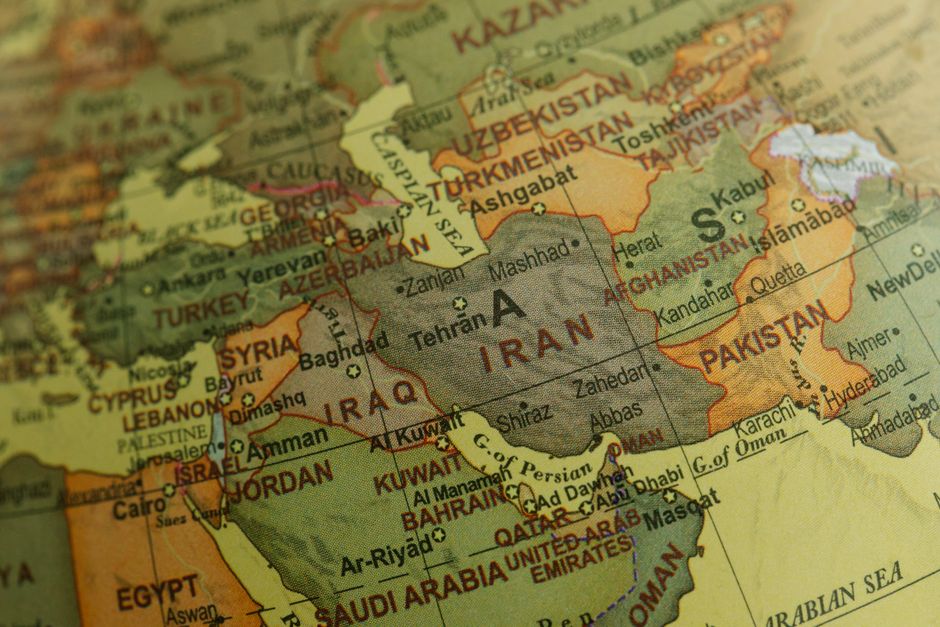
As negotiations falter and sanctions tighten, the path forward for US-Iran relations remains deeply uncertain.
What to know
- US-Iran nuclear talks are stalled as Iran insists on its right to enrich uranium.
- New US sanctions on Iran have heightened geopolitical tensions, complicating diplomatic progress.
- A US-Iran memorandum of understanding (MOU) to extend the ceasefire is reportedly nearing.
- Trump's upcoming decision on the Iran deal could stabilize global markets and reduce inflation fears.
- The outcome may affect global oil markets and reshape international security dynamics.
- Crypto Briefing reports that stalled talks heighten regional tensions and complicate global diplomatic efforts.
- The MOU, if signed, could foster diplomatic progress and impact global markets and geopolitical dynamics.
The Stalemate Over Enrichment
At the core of the current impasse lies Iran's insistence on its enrichment rights. The talks, aimed at reviving or replacing the 2015 nuclear agreement, have ground to a halt as both sides dig in. Iran's position is clear: any new deal must respect its ability to enrich uranium, a point that has become a red line in negotiations.
For Washington, this demand poses a difficult test. The US has historically sought to limit Iran's enrichment capacity to prevent a potential weapons breakout. Without progress on this front, the diplomatic path remains blocked.
Sanctions Raise the Temperature
The imposition of new US sanctions on Iran has further complicated the landscape. These punitive measures, announced in late May, heighten geopolitical tensions and risk pushing any potential deal further out of reach. As one analysis from Crypto Briefing noted, the sanctions hinder diplomatic progress and directly affect global oil markets.
Oil traders are watching closely. Any disruption to Iranian oil exports — already constrained by previous sanctions — could tighten global supply and drive prices higher. The sanctions thus carry consequences far beyond the negotiating table.
A Possible Memorandum of Understanding
Amid the friction, there is a notable signal of possible de-escalation: reports that the US and Iran are nearing a memorandum of understanding to extend the current ceasefire. Such an MOU would represent the first formal agreement between the two adversaries in years, potentially stabilizing regional tensions.
If finalized, the MOU could create a temporary framework for diplomacy, buying time for more comprehensive negotiations. It would also send a positive signal to global markets, suggesting that both sides are willing to avoid escalation for now.
Trump's Decision: A Market and Diplomatic Pivot Point
President Trump now faces a consequential choice. His decision on the Iran deal — whether to push for a new agreement or walk away entirely — could reshape the geopolitical landscape. According to reports, Trump's decision could stabilize global markets, reduce inflation fears, and even influence Federal Reserve policies.
Markets have already priced in volatility. A decision in favor of a deal may trigger a relief rally in oil markets as supply fears ease. Conversely, a hardline stance could deepen tensions with Iran, push oil prices higher, and complicate US relations with European allies who favor a diplomatic outcome.
Global Repercussions
The stakes extend well beyond Washington and Tehran. Regional actors in the Middle East, from Saudi Arabia to Israel, are watching closely. Any escalation between the US and Iran could draw in proxies, disrupt shipping through the Strait of Hormuz, and destabilize an already fragile region.
For the broader international community, the success or failure of these negotiations will test the reliability of multilateral diplomacy. The US approach to Iran is seen as a bellwether for its broader foreign policy agenda under Trump.
Looking Ahead
The next few days could prove decisive. Trump's decision, combined with the potential signing of a US-Iran MOU, will set the tone for months to come. Markets will react instantly, while diplomats assess whether a broader agreement remains possible.
If the talks remain stalled and sanctions increase, the region risks further conflict. If the MOU materializes and leads to renewed negotiations, there is a real chance to reduce tensions and reestablish dialogue. All eyes are on the White House.