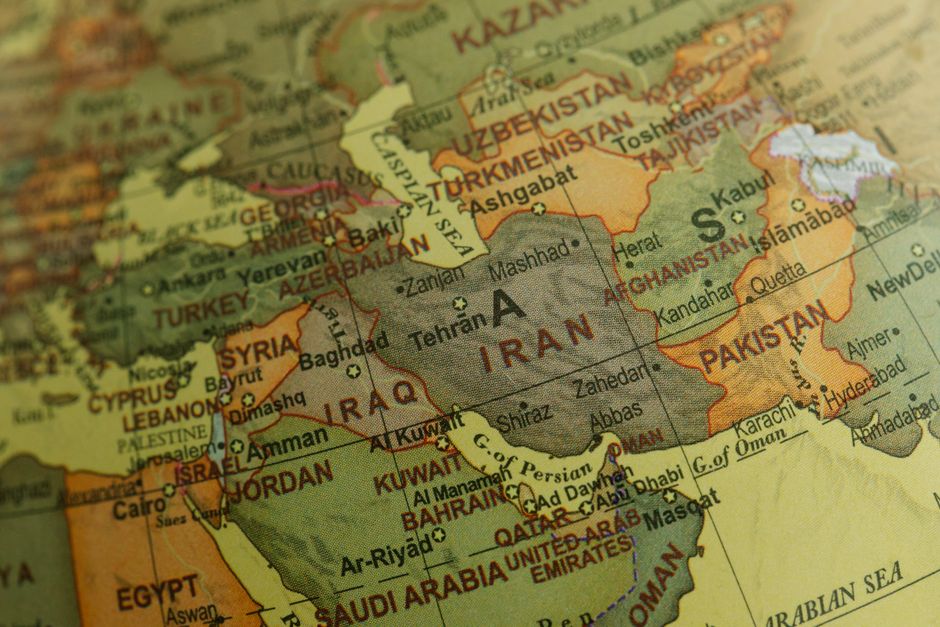
In a volatile stretch of the Gulf, diplomacy and military brinkmanship collide as the White House dispatches a top envoy to meet Iran's key negotiator — while warning shots, tanker boardings, and crypto sanctions reshape the rules of engagement.
What to know
- White House envoy Witkoff met Iran's Araghchi in Oman on June 6; a second round is set for next Saturday.
- Iran fired warning missiles and drones at US warships in the Gulf — the most direct military confrontation since the latest escalation.
- US forces boarded the sanctioned tanker Davina in the Indian Ocean, enforcing oil and crypto sanctions against Iran.
- Washington's actions against Iran's oil and crypto networks could tighten global regulatory scrutiny, impacting both crude supply and digital asset markets.
- The diplomatic stalemate may prolong regional instability and complicate efforts to resolve nuclear tensions.
- Iran's uranium transfer to a third country adds a non-proliferation dimension that could reshape oil markets and crypto compliance.
- Prediction markets are increasingly used to price geopolitical risk, linking the Gulf standoff directly to crypto trading dynamics.
Diplomatic Moves in the Omani Capital
White House envoy Witkoff sat down with Iran's Araghchi in Oman for what officials described as a preliminary exchange. The meeting, confirmed by the White House, marks a rare direct channel between Washington and Tehran amid a sharp uptick in hostilities. A follow-up is scheduled for next Saturday, signaling both sides are testing diplomatic off-ramps even as military tensions simmer.
The Oman round represents the highest-level contact since the breakdown of nuclear talks earlier this year. The mere fact that both sides agreed to meet suggests a narrow window for de-escalation remains open.
But the talks occur against a backdrop of limited trust. Iran has continued to advance its uranium enrichment program, and the US has ramped up enforcement of secondary sanctions targeting oil sales and crypto-based evasion networks.
Fire and Steel in the Gulf
Hours before the Oman meeting, Iran launched warning missiles and drones at US warships operating in the Gulf. No casualties or damage were reported, but the provocation underscores the hair-trigger environment. The US Navy has maintained a robust presence in the region, and the incident is the most serious direct engagement since the start of the current crisis.
Simultaneously, US naval forces boarded the sanctioned tanker Davina in the Indian Ocean, seizing the vessel as part of an expanding campaign to interdict Iran's oil exports. The Davina had reportedly been carrying crude linked to Iran's shadow fleet, which relies on complex ownership structures and cryptocurrency transactions to bypass sanctions.
Crypto: The New Front Line
The US actions against Iran's oil and crypto networks represent a significant evolution in economic warfare. Iran has increasingly used cryptocurrency to move funds, pay for imports, and evade the dollar-based financial system. By targeting both the physical oil trade and its digital shadow, Washington is signaling that crypto will not remain a safe haven.
Global regulators are likely to tighten anti-money laundering rules for crypto exchanges, especially those operating in jurisdictions with ties to sanctioned states. The Gulf standoff could accelerate that process.
Crypto Briefing has highlighted how prediction markets tied to geopolitical events — including the likelihood of a US-Iran conflict — have seen increased volume, suggesting traders are using these platforms to hedge exposure to energy and crypto volatility.
Energy and Market Shockwaves
The dual threats of military escalation and tighter sanctions are feeding uncertainty in oil markets. Crude prices have edged higher as traders price in the risk of a broader disruption to Gulf supply. For cryptocurrency markets, the implications are mixed: on one hand, heightened geopolitical risk often drives demand for Bitcoin as a non-sovereign store of value; on the other, tighter crypto sanctions could increase compliance costs for legitimate firms.
Iran's uranium transfer to a third country — potentially part of a breakout scenario — adds another layer of complexity. If enacted, it could reshape global oil flows and force further adjustments in crypto compliance programs that track sanctions exposure.
The Nuclear Dimension
The uranium transfer, while not directly linked to the Oman talks, looms over them. Any diplomatic progress will hinge on Iran's willingness to halt enrichment activities that bring it close to weapons-grade material. The White House has made clear that a comprehensive deal remains the goal, but the window for a negotiated outcome may be narrowing.
Looking Ahead
The next seven days will be critical. The follow-up White House-Iran talks in Oman could either pave the way for a cooling of tensions or harden positions. Meanwhile, the US will likely continue striking at Iran's oil and crypto lifelines, and Iran may test the limits of US military resolve with further provocations in the Gulf.
For the crypto industry, the message is unmistakable: the era of regulatory impunity for sanctions evasion is ending. Exchanges, miners, and DeFi protocols must reassess their exposure to jurisdictions like Iran and tighten compliance frameworks. The Indian Ocean tanker seizure and the Gulf missile fire are not just military events — they are the opening shots of a new economic and technological front.