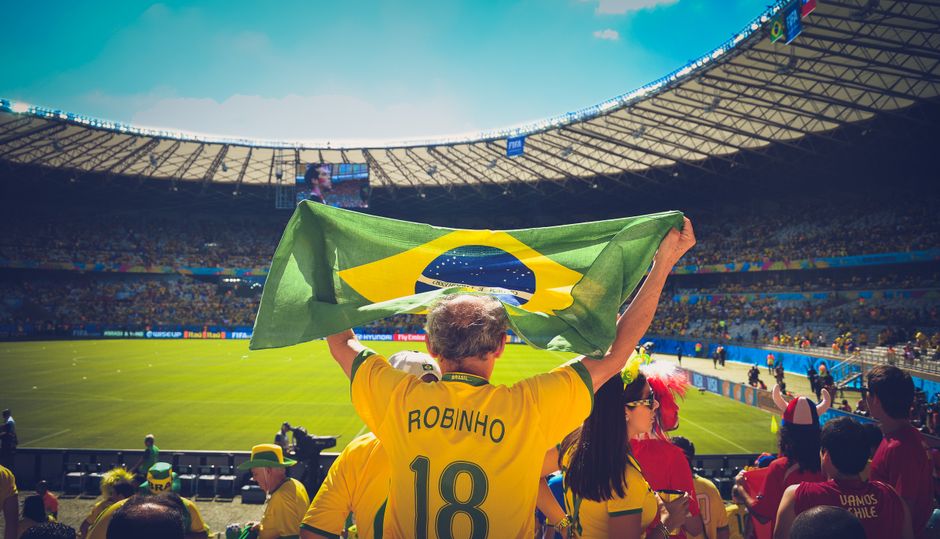
The 2026 World Cup is positioning itself as a digital frontier, with crypto fan tokens and prediction markets set to reshape fan engagement and sports economics. But as Canada's historic goal highlights the growing crypto-sports nexus, questions linger over long-term sustainability.
What to know
- The FIFA World Cup 2026 kicks off June 11 with an expanded 48-team format and a sharp digital focus.
- Crypto fan tokens and prediction markets are poised for a breakout moment during the tournament, according to Crypto Briefing.
- Kraken's sponsorship signals a return of institutional trust in crypto within global sports.
- Canada's first World Cup goal in 36 years highlights the growing influence of crypto in sports.
- Uzbekistan makes history alongside Kraken, showcasing crypto's expanding global footprint.
- Questions remain about the sustainability of such investments, despite the positive sentiment.
- The integration of crypto into sports signals a shift towards mainstream acceptance, but the real test lies ahead.
The World Cup Goes Digital
When the FIFA World Cup 2026 begins on June 11, it will not just be a celebration of football. For the first time, the tournament will serve as a global stage for crypto — from fan tokens that give supporters a voice in club decisions to prediction markets that allow fans to bet on match outcomes using digital assets.
Crypto Briefing reports that the tournament's digital focus could redefine fan engagement, with tokens and prediction markets potentially reshaping sports economics. The expanded format — 48 teams instead of the traditional 32 — adds another layer of complexity, drawing larger audiences and more opportunities for crypto integration.
This is not merely a trend. It is a deliberate move by FIFA to modernize the fan experience, tapping into a generation that demands real-time interaction, financial incentives, and borderless participation. The World Cup is becoming a laboratory for blockchain-based engagement models.
Kraken's Institutional Play
Kraken's sponsorship of the 2026 World Cup is more than a branding exercise. It represents a calculated bet by one of the largest crypto exchanges to regain the institutional trust that was shaken after the 2022 market crashes. By aligning with the world's most-watched sporting event, Kraken signals that crypto is ready for the mainstream.
The sponsorship also spotlights the inclusion of Uzbekistan — a country making its debut on the World Cup stage. For Kraken, this is a statement about crypto's global reach, from developed markets to emerging economies. As Crypto Briefing notes, this integration signals a shift towards mainstream acceptance, potentially reshaping sponsorship models across sports.
Yet the move is not without risk. The sustainability of crypto sponsorships in sports remains an open question. Previous high-profile deals, such as those with football clubs, have faltered amid market volatility and regulatory pressure. Kraken is betting that the World Cup's immense scale can provide the stability and credibility needed to change the narrative.
Canada's Crypto-Infused Moment
Canada's first World Cup goal in 36 years was a moment of national pride. But it also served as a marker of crypto's deepening footprint in sports. According to Crypto Briefing, the goal highlights the growing influence of crypto in sports, but questions remain about the sustainability of such investments.
For Canadian fans, the goal was a culmination of decades of patience. For the crypto industry, it was a proof point: digital assets are now woven into the fabric of major sporting events. The moment captured the optimism of the sector, but also the underlying tension — can crypto's involvement in sports be more than a flash in the pan?
Prediction Markets and Fan Tokens: A New Economic Model?
Prediction markets and fan tokens are at the heart of the World Cup's digital strategy. These tools allow fans to engage with the tournament in ways that were previously impossible — from voting on player of the match to trading tokens that fluctuate in value based on team performance.
Proponents argue that this creates a new economic model for sports, where fan engagement directly translates into financial value. Tokens can be used for exclusive content, merchandise, or even decision-making rights. Prediction markets, meanwhile, add a layer of excitement and liquidity to the fan experience.
But the model is untested at the scale of a World Cup. Volatility in token prices could alienate casual fans, and regulatory scrutiny of prediction markets varies wildly across jurisdictions. FIFA and its partners are walking a tightrope between innovation and risk.
The Road Ahead: Sustainability vs. Hype
The 2026 World Cup is a high-stakes experiment for crypto in sports. On one side, there is undeniable momentum: Kraken's sponsorship, Canada's goal, and the embrace of fan tokens all point to a sector that is maturing. Uzbekistan's participation alongside Kraken underscores crypto's global ambition.
Yet the sustainability questions raised by Crypto Briefing are not easily dismissed. Can the fan token economy survive a bear market? Will prediction markets face regulatory crackdowns after the tournament? And can the goodwill generated by a historic goal translate into long-term adoption?
The answers will shape not just the future of crypto in sports, but the broader narrative of digital assets entering everyday life.
Looking Ahead
The World Cup 2026 is more than a tournament — it is a proving ground. If crypto fan tokens and prediction markets deliver on their promise of deeper engagement and new revenue streams, the blueprint could be replicated across other major events, from the Olympics to the Super Bowl. If they fail, the industry may face another setback in its quest for mainstream acceptance.
For now, the eyes of the football world — and the crypto world — are fixed on June 11. The whistle is about to blow, and the match between digital innovation and real-world sustainability is just beginning.