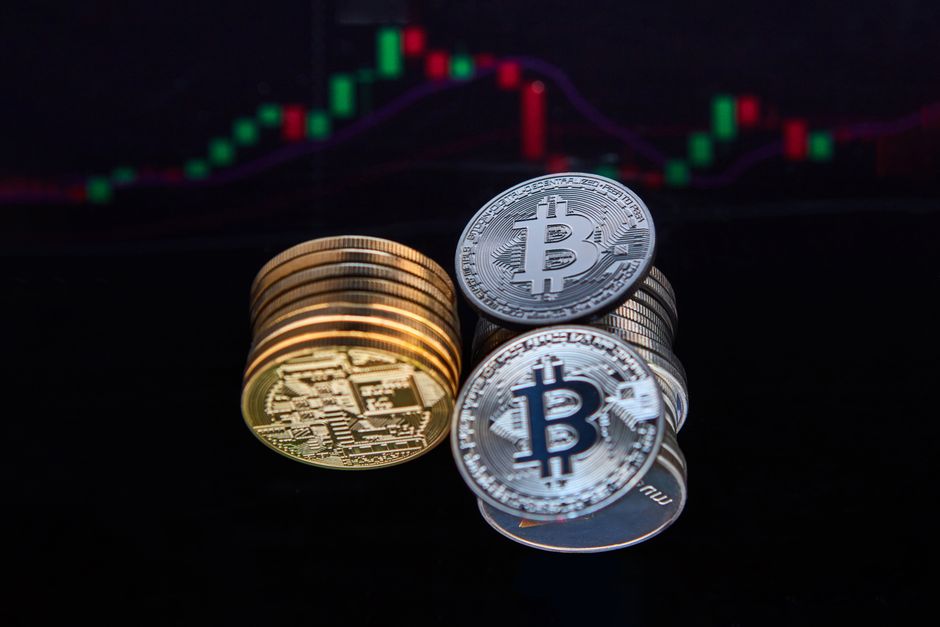
A flash of geopolitical optimism sent risk assets soaring, but the underlying data suggests the crypto rally may be built on fragile foundations.
What to know
- Bitcoin briefly reclaimed the $68,000 level and touched $70,000 on March 31 following reports that Iran was prepared to end the ongoing conflict.
- The catalyst was a statement from Iranian President Masoud Pezeshkian, who indicated Tehran's willingness to conclude the Israel War under certain conditions.
- The broader cryptocurrency market capitalization increased by approximately $40 billion in the immediate aftermath of the news.
- The price movement coincided with a surge in equity futures and a retreat in oil prices, signaling a broad market shift toward risk-on sentiment.
- Despite the initial spike, Bitcoin subsequently fell back toward the $67,000 range, failing to consolidate its gains.
- Market data reveals a divergence: while spot prices rallied, futures traders maintained a bearish posture, indicating a lack of conviction in the move's sustainability.
- Ethereum also saw significant gains, hitting its highest price in days alongside Bitcoin.
The Geopolitical Spark
Financial markets are perpetual discounting machines, and on the last day of March, they began pricing in a potential resolution to a protracted geopolitical standoff. The spark was a statement from Iranian President Masoud Pezeshkian, relayed from Tehran, expressing a conditional readiness to end the Israel War. This report, suggesting a possible off-ramp for the US-Iran-Israel conflict, acted as a catalyst for a dramatic risk-on pivot across asset classes.
Equity futures rallied, oil erased earlier gains, and the U.S. Dollar Index weakened—a classic trifecta signaling a flight from safe havens back into growth-oriented assets.
In this environment, Bitcoin and Ethereum, often treated as digital risk proxies, found strong bullish momentum. The move wasn't isolated to crypto; it was part of a synchronized global sigh of relief. However, the S&P 500 remained mired in its longest losing streak in years, and Asian markets were heading for a historically poor month, underscoring the fragile backdrop against which this rally occurred.
A Market Divided
The initial price action was undeniably powerful. Bitcoin's leap from the mid-$66,000 range to a brief intraday high of $70,000 represented a clear, sentiment-driven surge. Data from CryptoSlate quantified the sector-wide impact, noting a $40 billion infusion into the total crypto market cap. Ethereum participated fully, breaking out of its own consolidation pattern.
Yet, beneath the surface of green candles, a narrative of doubt persisted. Analysis of derivatives markets painted a contrasting picture. While retail and spot markets cheered the headlines, institutional players and futures traders were not following suit with renewed bullish bets. This divergence between spot price strength and futures market skepticism is a classic warning sign. It suggests that sophisticated money views the rally as reactive and potentially fleeting, rather than the start of a new sustainable uptrend.
The failure to hold above $68,000, let alone $70,000, and the subsequent pullback to $67,000 validates the caution seen in the futures data. The market absorbed the positive news and almost immediately began to question its durability.
This creates a tense equilibrium. The bullish case is straightforward: a lasting geopolitical de-escalation removes a major overhang on global risk appetite, potentially freeing capital to flow into cryptocurrencies. The bearish counterpoint is equally simple: one headline does not make a treaty, and until concrete diplomatic progress is documented, the rally is built on speculation.
The Macro Canvas
To understand Bitcoin's reaction, one must view it on the broader macro canvas. The conflict had contributed to a climate of uncertainty, supporting oil prices and pressuring equities. The mere prospect of its conclusion triggered a immediate recalibration.
Bitcoin's behavior in this episode reinforces its evolving, albeit complex, relationship with traditional macro drivers. It did not act as a digital gold safe haven; instead, it traded like a tech-adjacent, high-beta risk asset, amplifying the moves in the Nasdaq and other growth indices. This performance underscores the asset's current dual nature—a narrative that continues to divide investors and analysts alike.
Looking Ahead
The path forward for Bitcoin hinges on the substance behind the headlines. The market has shown its capacity for a violent upside move on hope. The next test is whether it can build on that move with conviction.
All eyes will be on two fronts: the diplomatic corridors, where any tangible steps toward de-escalation will be scrutinized, and the $70,000 resistance level, which now looms as a critical psychological and technical barrier. The bearish positioning in futures markets will need to unwind for a sustained breakout to occur. Until then, the rally that added $40 billion in a day serves as a potent reminder of crypto's volatility and its acute sensitivity to the winds of global change. The optimism is palpable, but the data advises caution.