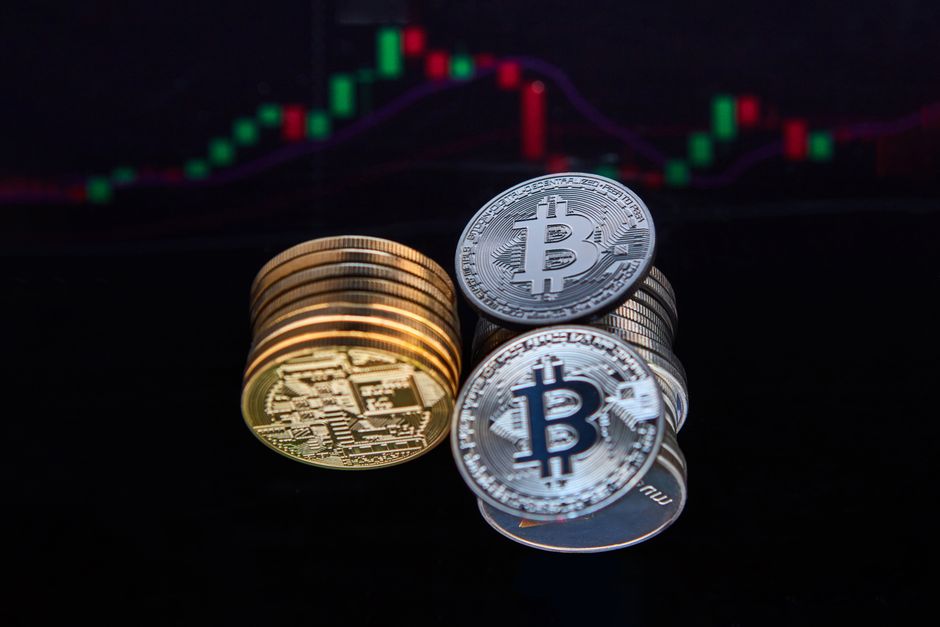
Bitcoin's price action reflects a tense interplay between geopolitical hopes and economic uncertainties, with traders parsing every signal from Washington to the Strait of Hormuz.
What to know
- Bitcoin rallied on April 6, 2026, following reports that Pakistan has put together a framework for a ceasefire between the U.S. and Iran.
- US President Donald Trump delivered conflicting statements, threatening Iran with severe consequences if it doesn't open the Strait of Hormuz, while also suggesting a deal is imminent.
- A blowout US jobs report initially seemed positive, but deeper analysis shows a split picture with headline growth masking underlying labor market weaknesses.
- Prediction markets, particularly Polymarket, are increasingly used by cryptocurrency trading desks to assess geopolitical risks, as noted by Sygnum’s Fabian Dori.
- The Fed's policy trajectory remains a key concern, with the mixed economic data keeping Bitcoin vulnerable to short-term volatility.
- Analysts remain cautious, emphasizing that any sustained rally depends on the materialization of a ceasefire and clarity on US economic health.
The Sudden Spark: Ceasefire Hopes and Presidential Rhetoric
The cryptocurrency market witnessed a sharp uptick in Bitcoin prices as news emerged of Pakistan's diplomatic efforts to mediate a ceasefire between the United States and Iran. This development, reported on April 6, 2026, injected a dose of optimism into risk assets, with traders hoping for a de-escalation in tensions that have long weighed on global markets.
However, the situation remains fraught with uncertainty. US President Donald Trump added to the complexity by issuing a stark warning to Iran, threatening that the country could face dire consequences if it fails to open the Strait of Hormuz, a critical maritime chokepoint. Concurrently, in a twist that left markets guessing, Trump told reporters that a deal with Iran is getting close, creating a volatile mix of fear and hope.
The juxtaposition of threat and negotiation keeps traders on a knife's edge, with every headline capable of swinging Bitcoin prices.
This geopolitical rollercoaster underscores how sensitive digital assets have become to international affairs. The mere suggestion of peace can trigger a rally, but the path is littered with potential setbacks.
Beneath the Surface: The US Labor Market's Split Personality
While geopolitics captured headlines, the domestic economic backdrop presented its own puzzles. A recent US jobs report delivered headline payroll growth that far exceeded expectations, a figure that would typically bolster confidence in the economy and, by extension, risk assets like Bitcoin.
Yet, a closer look reveals a more nuanced story. Weaker data from labor-force participation and household surveys suggest that the labor market's strength may be more superficial than substantive. This split picture—strong on the surface but potentially shaky underneath—complicates the macroeconomic narrative.
A blowout jobs number should have settled the debate, but instead it exposed cracks that keep Bitcoin vulnerable in the short term.
For the Federal Reserve, this ambiguity presents a dilemma. Strong headline numbers might argue for a tighter policy to curb inflation, but underlying weaknesses could warrant caution. This uncertainty directly impacts Bitcoin, as monetary policy expectations are a primary driver of cryptocurrency valuations.
The New Barometer: Prediction Markets in Crypto Trading
In this environment of heightened uncertainty, cryptocurrency trading desks are turning to innovative tools for insight. Prediction markets like Polymarket and Kalshi have seen their odds on events such as an Iran war swing dramatically, reflecting real-time shifts in geopolitical sentiment.
Fabian Dori of Sygnum highlighted that these platforms are fast becoming essential macro tools for crypto desks. By aggregating crowd-sourced probabilities on geopolitical outcomes, they offer a forward-looking indicator that traditional news sources may lag.
Prediction markets are no longer just for bettors; they're becoming a real-time radar for crypto traders navigating global risks.
This adoption signifies a maturation in the cryptocurrency market, where professional desks are integrating diverse data streams to inform their strategies. The ability to gauge the likelihood of events like a ceasefire or escalation provides an edge in a market that reacts swiftly to such developments.
Bitcoin's Precarious Balancing Act
Bitcoin finds itself at the intersection of these competing forces. On one hand, the prospect of a U.S.-Iran ceasefire offers a clear bullish catalyst, potentially unlocking a relief rally for risk assets. On the other, the mixed US economic data and the Fed's unpredictable path cast a shadow over sustained gains.
Analysts caution that the current optimism is fragile. The ceasefire framework reported by Pakistan is just that—a framework. Its realization is uncertain, and Trump's rhetoric reminds us that tensions can flare at any moment. Similarly, the economic data suggests that the US economy may not be as robust as it appears, leaving Bitcoin exposed to downside risks if sentiment sours.
In the short term, Bitcoin remains vulnerable, caught between geopolitical hopes and macroeconomic doubts.
Traders are thus navigating a landscape where both opportunity and peril are amplified. The ability to parse signals from diplomacy, economic reports, and prediction markets is now a critical skill.
Looking Ahead
The coming days will be crucial for Bitcoin and the broader cryptocurrency market. Key developments to watch include the formalization of any U.S.-Iran ceasefire deal, further statements from President Trump, and upcoming US economic indicators that may clarify the labor market's true health.
Prediction markets will continue to serve as a canary in the coal mine, with shifts in odds potentially foreshadowing market moves. For Bitcoin, a materialized ceasefire could pave the way for a more sustained rally, but traders must remain vigilant to the underlying economic weaknesses that could trigger volatility.
Ultimately, this episode reinforces Bitcoin's role as a barometer for global risk sentiment, responsive to both geopolitical shifts and domestic economic narratives. As tools like prediction markets become more integrated, the market's reaction times may shorten, making agility and informed analysis more valuable than ever.