The US airstrikes near the Strait of Hormuz mark a sharp escalation in Middle East tensions, roiling global markets and sending Bitcoin below $79,000.
What to know
- US forces struck an Iranian military site near the strategic Strait of Hormuz on May 28, 2026.
- Bitcoin dropped to $79,000, reflecting risk-off sentiment in crypto markets.
- Oil prices surged, compounding inflation concerns and pushing Treasury yields higher.
- The Federal Reserve faces increased pressure to delay rate cuts as inflation risks mount.
- Sanctions on Iran continue, with increased scrutiny on cryptocurrency platforms.
- Crypto markets showed mixed performance, with some assets diverging from Bitcoin's decline.
- Supply chain disruptions are feared as the Strait of Hormuz is a critical chokepoint for global oil shipping.
The Strike at Hormuz
On May 28, 2026, the United States launched airstrikes against an Iranian military facility positioned near the Strait of Hormuz. This narrow waterway, a vital artery for global oil shipments, has long been a flashpoint in US-Iran tensions.
The operation came after months of stalled diplomatic talks and a steady tightening of economic sanctions against Tehran. The airstrikes represent a clear military escalation, one that immediately reverberated across financial markets.
A Chokepoint Under Fire
The Strait of Hormuz handles roughly one-fifth of the world's oil consumption. Any military action in its vicinity raises the specter of supply disruptions. Traders priced in that risk within hours, driving crude oil benchmarks sharply higher.
Bitcoin and the Crypto Market Response
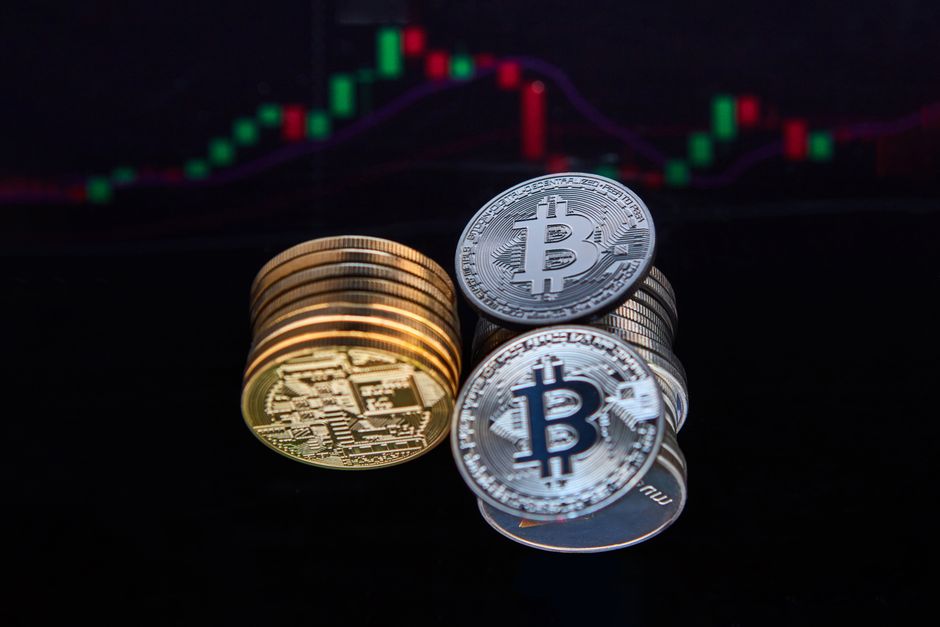
Bitcoin, the largest cryptocurrency by market capitalization, slid to $79K as the news broke. The decline aligned with broader risk-off moves in equities, suggesting that for now, BTC is trading more as a risk asset than a geopolitical hedge.
Yet the picture across crypto was not uniformly red. Several altcoins showed resilience, even posting modest gains. This mixed performance hints at a market that is still finding its footing amid uncertainty. Some investors may have rotated into assets seen as more decentralized or less correlated to traditional markets.
The Crypto Enforcement Angle
Iran has long been under US sanctions, and cryptocurrency platforms have faced scrutiny for potential evasion. The airstrikes amplify that risk. Expect regulators to sharpen their focus on crypto exchanges and wallets that could facilitate transactions with sanctioned entities.
Oil Surge and the Treasury Yield Zone
Rising oil prices are a direct headwind for central banks struggling to tame inflation. As crude jumped, so did yields on Benchmark Treasuries. The 10-year yield climbed, reflecting expectations that inflation would remain stubbornly high.
For the Federal Reserve, this is a difficult environment. Chair Powell and his colleagues had been telegraphing potential rate cuts later in 2026. The oil shock, combined with supply chain fears, now makes that timeline far less certain.
The Fed's Dilemma
Higher yields and elevated inflation mean the Fed must choose between fighting inflation and supporting economic growth. A delay in rate cuts would tighten financial conditions further, potentially weighing on stocks and crypto alike.
Inflation Risks and the Global Economy
The confluence of military conflict, rising oil, and higher Treasury yields creates a classic stagflationary backdrop. Import-dependent nations are hit hardest: they face higher energy bills and weaker currencies.
Supply chains, already fragile from years of disruption, could take another blow. The Middle East is a major hub for energy and shipping lanes. Even a temporary disruption near Hormuz would cascade through global logistics.
Crypto as a Barometer
Bitcoin's drop to $79K may be temporary, but it underscores a broader anxiety. Crypto markets are increasingly sensitive to macro shocks. The mixed resilience among other coins suggests that traders are picking winners based on potential utility in conflict scenarios — for example, decentralized finance platforms or privacy coins.
Looking Ahead
The situation is fluid. Iran has vowed retaliation, and the US has signaled readiness for further strikes. Diplomatic off-ramps remain possible but seem distant.
For investors, the immediate focus is on oil price levels and Fed commentary. Any sign of de-escalation could spark a relief rally, but further escalation would likely push Bitcoin below $79K and send oil even higher.
Crypto's role in conflict zones is still being written. The airstrikes near Hormuz may accelerate regulatory frameworks, both in the US and globally, as policymakers grapple with digital assets in a world of sanctions and military confrontation.
This is a developing story. Market participants should brace for continued volatility on all fronts.