Gold holds near $4,325 as an Iran-Israel missile exchange threatens a fragile Middle East ceasefire, pushing oil prices higher and triggering a Bitcoin rally. Trump's intervention adds a new layer of strategic complexity.
What to know
- Gold is trading near $4,325, reflecting strong safe-haven demand amid escalating tensions between Iran and Israel.
- A missile exchange between the two countries risks reigniting a broader regional conflict, threatening the existing ceasefire.
- Rising oil prices tied to the geopolitical situation could fuel inflation, potentially complicating central bank policies worldwide.
- Trump has publicly stated that Netanyahu must accept terms of the Iran deal, signaling shifting U.S. leverage over Israel.
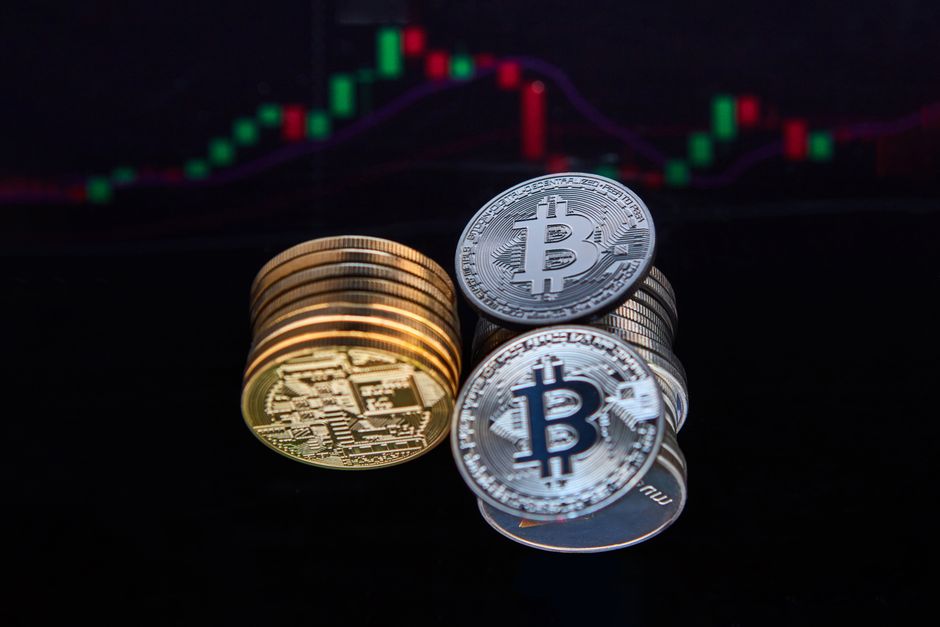
- Bitcoin rallied on ceasefire hopes, showing that crypto markets are increasingly sensitive to diplomatic developments.
- The U.N. Security Council has called for an end to the Iranian threat, while the U.S. State Department warns of escalation risks.
- The interplay between these factors highlights the fragility of geopolitical stability and its direct influence on global financial markets.
The Trigger: Missile Exchange Risks Ceasefire
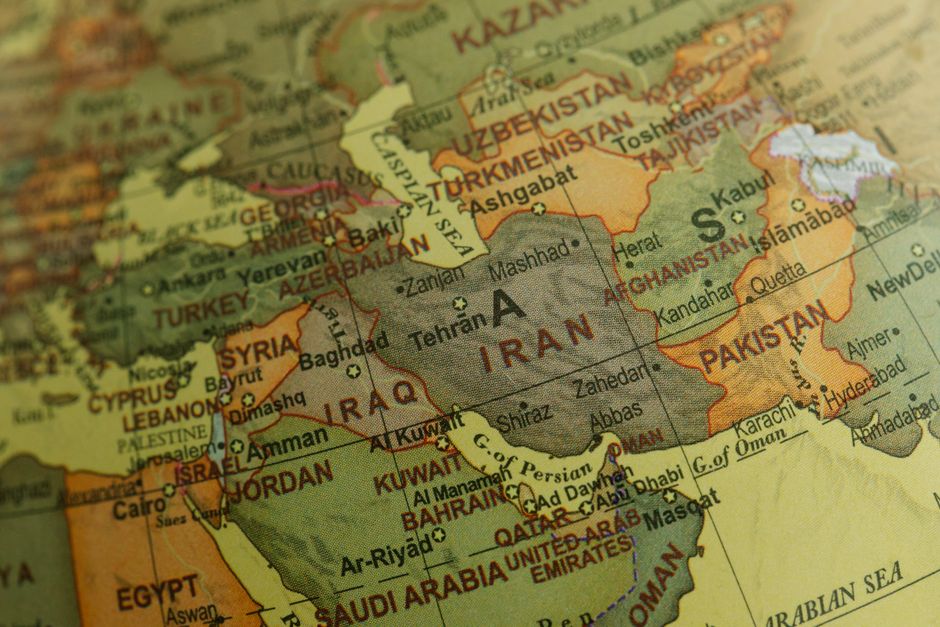
On June 8, 2026, a missile exchange between Iran and Israel threatened the fragile Middle East ceasefire. According to reports from Crypto Briefing, the exchange risked reigniting a broader regional conflict, testing diplomatic efforts to maintain peace. The U.S. State Department publicly warned that the exchange risks reigniting the conflict, while the U.N. Security Council called for an end to the Iranian threat. These statements underlined the gravity of the situation, sending investors scrambling for safe havens.
Gold at $4,325: Stability Amid Uncertainty
Gold quickly responded to the heightened risk, holding near $4,325. The metal's price level reflects the market's anxiety and its reliance on traditional safe havens during geopolitical turmoil. Crypto Briefing reported that the Iran-Israel conflict's impact on gold prices highlights the fragility of geopolitical stability and its influence on global markets. Traders are now betting that gold will remain elevated as long as the ceasefire remains uncertain.
"Gold near $4,325 signals that markets are pricing in a sustained risk premium, with no clear resolution in sight."
Oil Prices Surge: Inflationary Pressures Build
The missile exchange also sent oil prices higher. With Iran directly involved in the hostilities, the risk of supply disruption — particularly through the Strait of Hormuz — increased. The Trend explicitly notes that rising oil prices due to geopolitical tensions could fuel inflation, complicating the decision-making of central banks around the world. Higher oil prices feed into transportation and production costs, which can lead to broader price increases. This inflationary impulse comes at a delicate time, as central banks are already grappling with post-pandemic inflation.
Trump's Diplomatic Play: Shifting Dynamics
One of the most striking developments in this crisis is the role of Trump. According to the Trend, Trump is leveraging his influence over Netanyahu, stating that the Israeli leader must accept the terms of the Iran deal. This intervention occurs amid the missile exchange and represents a shift in U.S. diplomatic posture. The Trend describes this as "shifting geopolitical dynamics" that could reshape energy policies and global market sentiment.
Trump's statement adds a new variable to an already complex situation. Netanyahu faces domestic pressures in Israel, which could limit his ability to accept deal terms. The open questions from the Trend include how Israel will respond and what this means for the future of the ceasefire. Markets are now pricing in not only the military risk but also the political risk tied to Trump's involvement.
"Trump's leverage over Netanyahu introduces a wildcard: US-Israel relations are being redefined under the shadow of missile strikes."
Bitcoin Rallies on Ceasefire Hopes
In a counterintuitive move, Bitcoin rallied on ceasefire hopes. The cryptocurrency's price rose as market participants interpreted the diplomatic efforts — including Trump's involvement — as potentially leading to de-escalation. This rally highlights Bitcoin's growing role as a risk-on asset that responds to macro-political events, alongside its narrative as a hedge against fiat instability.
The rally suggests that some investors see a diplomatic resolution as positive for risk assets, even as safe havens like gold remain elevated. This divergence creates a unique trading environment where investors are simultaneously hedging against conflict and betting on peace.
The Diplomatic Landscape: UN and State Department
The international community is closely watching the situation. The U.N. Security Council has called for an end to the Iranian threat, while the U.S. State Department has warned about the risks of escalation. These statements underline the global concern but also highlight the lack of a unified response. The Crypto Briefing reports have covered all these angles, linking them to both traditional markets and the crypto space.
The interplay between diplomatic statements, military actions, and market reactions is a key driver of the current environment. Each new development — whether a missile launch or a statement from Trump — ripples through gold, oil, and Bitcoin prices.
Looking Ahead
The coming days will be critical. The Trend's open questions include how different sources frame the event, what this means for Israel, and how Israel will respond. If diplomatic efforts — including Trump's pressure on Netanyahu — lead to a lasting ceasefire, gold could pull back and oil could stabilize. However, if the missile exchange escalates, the situation could deteriorate rapidly, with gold possibly breaking above $4,325 and oil surging further. Bitcoin's rally may prove fleeting if the ceasefire fails.
The global financial system remains on edge, watching the Middle East through a lens of both fear and opportunity. The combination of high-value safe havens, inflationary oil, and a diplomatic wildcard in Trump ensures that volatility is likely to persist.