A bold move by Iran to close the Strait of Hormuz and demand cryptocurrency for passage is redefining the intersection of energy security, geopolitics, and digital assets.
What to know
- Iran has closed the Strait of Hormuz, a critical chokepoint for global oil shipments.
- The Iranian government is demanding Bitcoin and stablecoin payments for vessels seeking transit through the strait.
- The US military has denied reports of warships being struck in the area, though tensions remain elevated.
- New crypto insurance schemes are emerging to cover risks associated with this geopolitical crisis, raising regulatory questions.
- The situation could destabilize global energy markets and elevate Bitcoin's role in international trade and sanctions evasion.
- The move challenges the effectiveness of Western financial sanctions, as Iran leverages digital currencies to bypass traditional systems.
The Strategic Chokepoint
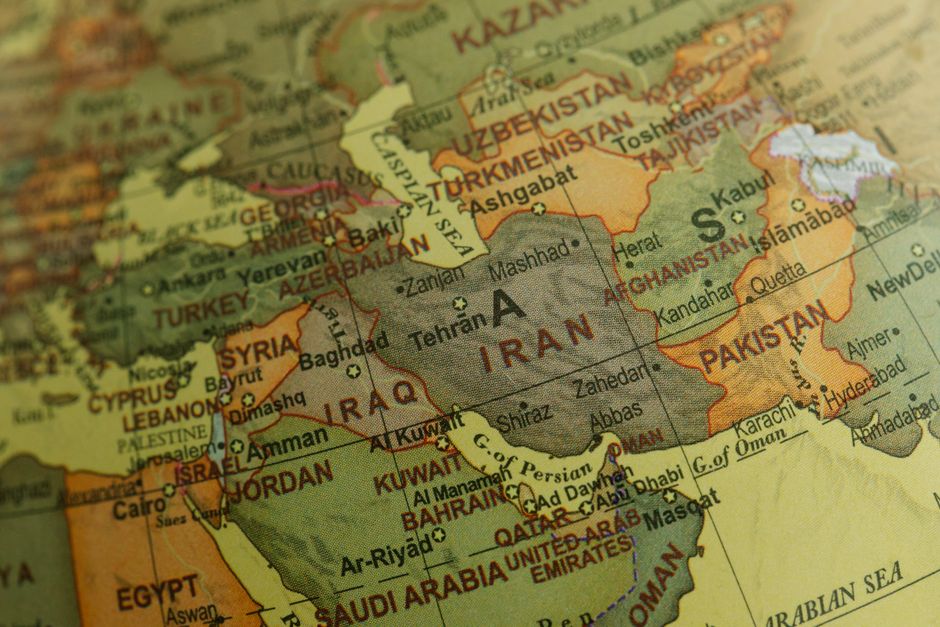
The Strait of Hormuz has long been a vital artery for the global economy, carrying a significant share of the world's oil supply. Iran's decision to close this passage marks an escalation that echoes through energy markets and geopolitical alliances.
By demanding Bitcoin and stablecoins for transit, Iran is not only disrupting physical trade flows but also weaponizing the financial architecture of the 21st century. This is not a symbolic gesture — it is a direct challenge to the dollar-denominated system that has underpinned global oil trade for decades.
The Strait of Hormuz closure turns a physical chokepoint into a digital one, forcing the world to reckon with cryptocurrency's new geopolitical weight.
Bitcoin as a Toll Collector
Iran's demand for Bitcoin and stablecoins as payment for strait passage represents a watershed moment for digital assets. For years, crypto advocates have argued that Bitcoin could serve as a neutral, borderless store of value and medium of exchange. Now, a nation-state is using it as a toll collector on one of the world's most strategic waterways.
The implications are profound. If Iran can successfully enforce these payments, it opens the door for other nations to integrate cryptocurrencies into their geopolitical toolkits. Sanctions, which rely on the exclusion of nations from the Western financial system, become less effective when trade can be routed through decentralized networks.
Stablecoins add another layer: they offer the stability of fiat currencies while maintaining the censorship resistance of blockchain. This combination makes them particularly attractive for nations seeking to trade under the radar of international sanctions.
By demanding crypto payments, Iran is testing whether digital assets can survive — and thrive — in the fog of geopolitical conflict.
The Emergence of Crypto Insurance
Amid the fog of war and sanctions, a new financial product is emerging: crypto insurance schemes tailored to geopolitical risks. According to reports from Crypto Briefing, these schemes are designed to cover losses stemming from conflicts like the Strait of Hormuz closure.
The emergence of such products highlights a growing recognition that digital assets are not immune to real-world disruptions — and that there is a market for hedging those risks.
However, these schemes also pose significant regulatory challenges. Who writes the policies? How are claims verified when the underlying events are contested, as with the US military's denial of warship strikes? And how do insurers assess the risk of a state actor like Iran manipulating cryptocurrency markets?
Regulators in the West are likely to scrutinize these products closely, as they blur the line between traditional insurance and decentralized finance. The potential for fraud, capital flight, and systemic contagion remains high.
US Response and Market Uncertainty
The US military has publicly denied reports that its warships were struck near the Strait of Hormuz. This denial is crucial — it shapes the narrative and market reaction. If the denial is believed, the immediate risk of a wider conflict recedes. If doubted, it fuels uncertainty.
Markets are watching closely. Oil prices are expected to spike given the strait's importance, but the introduction of crypto payments adds a new variable. Investors in Bitcoin and other digital assets are grappling with a scenario where a nation-state's actions directly influence the value and utility of their holdings.
The US has not yet announced a formal response to Iran's crypto demand. Any retaliation — whether military, economic, or cyber — will likely have cascading effects on both energy and digital asset markets.
Regulatory Challenges Ahead
This crisis lays bare the inadequacy of current regulations for cryptocurrencies. The intersection of geopolitical conflict and digital assets demands frameworks that address state-level adoption, sanctions compliance, and the risks of decentralized insurance schemes.
Western regulators face a dilemma: crack down on crypto to prevent its use by adversarial states, risking stifling innovation and pushing activity underground, or adapt regulations to acknowledge the new reality of state-sponsored crypto usage.
The emergence of crypto insurance for geopolitical risks further complicates the landscape. Traditional insurance regulators have little experience with blockchain-based claims and underwriting. Without clear rules, these schemes could become vehicles for speculation and money laundering.
The Strait of Hormuz crisis is a stress test for the global regulatory system's ability to handle the geopolitical dimensions of cryptocurrency.
A New Geopolitical Tool
Iran's actions signal that cryptocurrency has entered the realm of statecraft. No longer just an asset for retail investors or a speculative vehicle, Bitcoin is now a tool for exerting influence on the world stage.
This evolution is not confined to Iran. Other nations facing sanctions or seeking alternatives to the dollar-dominated system may watch closely. If Iran succeeds in using crypto to bypass financial isolation, it could inspire similar moves from Russia, Venezuela, or North Korea.
The Strait of Hormuz episode may be remembered as the moment when digital assets crossed from disruptor to geopolitical instrument. The world is now watching to see whether the US and its allies will respond with financial warfare, diplomatic pressure, or a new wave of crypto regulation.
Looking Ahead
The closure of the Strait of Hormuz and Iran's crypto demand is a multi-dimensional crisis. Energy markets face immediate disruption. Bitcoin's role in global trade is being tested in real time. Regulators are confronted with challenges they are not equipped to handle. And the US must decide how to respond to a nation-state weaponizing digital currencies.
In the coming weeks, watch for:
- Oil price volatility as shipping routes are rerouted.
- Bitcoin price movements reflecting its new geopolitical premium or risk.
- Regulatory announcements from Western governments targeting state-sponsored crypto use.
- Further developments in the Strait of Hormuz, including potential military or diplomatic resolutions.
One thing is clear: the world has entered a new phase where energy, finance, and geopolitics intersect on the blockchain. The Strait of Hormuz is just the beginning.