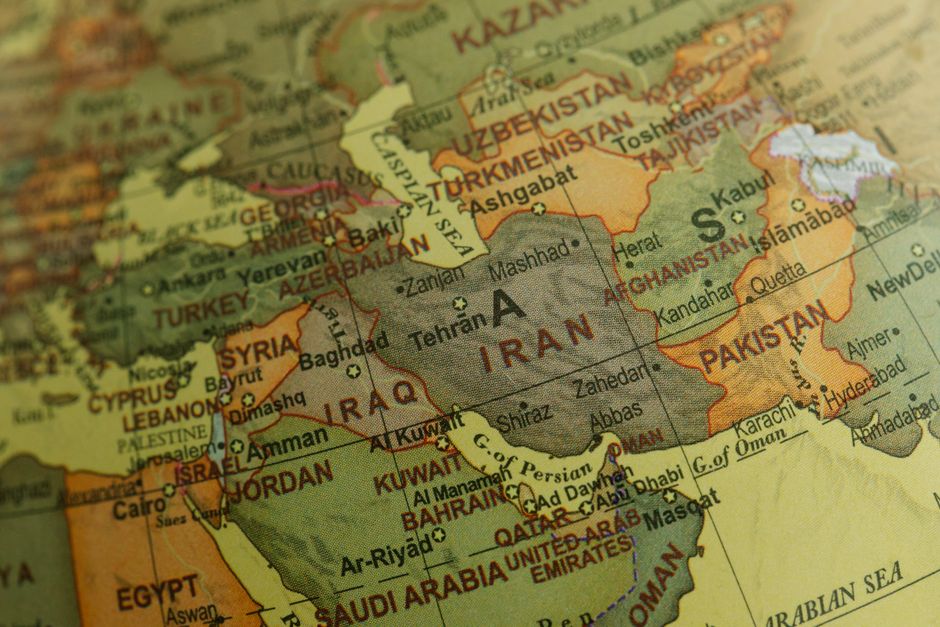
In a dramatic escalation, Iran's military command has ordered the closure of the Strait of Hormuz to oil tankers, while US Central Command promptly pushed back, denying that the waterway has been sealed. The incident underscores the fragile state of energy security and the potential for a broader conflict.
What to know
- Iran's Khatam al-Anbiya Central Headquarters ordered the Strait of Hormuz closed to oil tankers on June 10, 2026.
- US Central Command refuted the Iranian claim, saying the strait remains open for transit.
- The closure order threatens to disrupt global oil supply chains, a route that carries roughly 20% of the world's petroleum.
- Energy prices could spike sharply if the blockade is enforced, with ripple effects across inflation and financial markets.
- Geopolitical tensions between Iran and the United States are at a boiling point, increasing the risk of military conflict in the region.
- The standoff comes amid a broader context of US-India tensions and persistent challenges in enforcing maritime blockades.
- Cryptocurrency markets have also shown sensitivity to the crisis, as global uncertainty drives volatility.
The Order and the Refutation
On June 10, 2026, Iran’s Khatam al-Anbiya Central Headquarters — a key military command overseeing strategic operations — issued a directive to close the Strait of Hormuz to oil tankers. The order, reported by Crypto Briefing, immediately sent shockwaves through energy markets. Iran warned that ships attempting to transit would be fired upon.
Within hours, US Central Command (CENTCOM) released a statement refuting the Iranian claim. CENTCOM insisted that the strait remains open and that no effective blockade has been implemented. The rapid contradiction between the two sides has created a fog of war, leaving traders, governments, and analysts scrambling for clarity.
“The Strait of Hormuz is a critical artery for global oil supplies. Any attempt to close it, whether real or bluffed, instantly triggers alarms across energy and financial markets.”
The timing of the order is notable: it follows a series of escalating incidents in the region, including explosions near the Iranian port of Bandar Abbas and the disabling of a vessel named MT Settebello by US forces. Those earlier events had already raised tensions, but the closure order marks a dangerous new threshold.
Global Energy at a Crossroads
The Strait of Hormuz is one of the world’s most important maritime chokepoints. Roughly one-fifth of the global oil supply — about 17 million barrels per day — passes through its narrow waters. A sustained closure would sever supply routes from some of the largest OPEC producers, including Saudi Arabia, Iraq, the UAE, Kuwait, and Iran itself.
Energy markets reacted even before the refutation. Oil prices are highly sensitive to any threat to the Hormuz passage, and the mere announcement of closure can trigger speculative spikes. The impact would cascade into higher gasoline prices, elevated inflation, and increased costs for industrial supply chains.
Countries heavily reliant on Middle Eastern crude — especially in Asia, including India, China, Japan, and South Korea — would feel the most immediate pain. Strategic petroleum reserves could be drawn down, but the longer the disruption, the more severe the economic damage.
“The Strait of Hormuz is the world’s most critical oil transit route. Even a temporary disruption can send shockwaves through the global economy.”
Financial Markets on Edge
Beyond physical oil flows, the Strait of Hormuz crisis has rattled financial markets. Cryptocurrencies — often seen as a hedge against geopolitical uncertainty — experienced heightened volatility as traders priced in risk. The Crypto Briefing report noted that the tensions are influencing “energy prices and cryptocurrency dynamics.”
Stock markets in the Gulf region saw selloffs, and safe-haven assets like gold and the US dollar strengthened. The broader risk-off sentiment reflects deep anxiety that a miscalculation by either side could trigger a military confrontation.
The US Central Command’s refutation provided a temporary cushion, but uncertainty remains. Markets now hang on the next statement from Tehran or Washington — and on whether any vessel is actually fired upon.
The Risk of Escalation
A military confrontation in the Strait of Hormuz would be catastrophic. The Iranian military has invested heavily in anti-access/area-denial (A2/AD) capabilities, including mines, fast attack boats, anti-ship missiles, and drones. The US Navy’s Fifth Fleet, based in Bahrain, is on high alert.
The timeline of events from June 10 shows a rapid escalation:
- First, there was the disabling of the MT Settebello, which highlighted tensions and shipping cost impacts.
- Then, explosions near Bandar Abbas roiled markets.
- Next, the Khatam al-Anbiya issued the closure order.
- Finally, CENTCOM formally refuted the closure claim.
The sequence suggests that Iran may be testing the US response, or that internal factions within Iran are attempting to force a crisis. Either way, the Strait of Hormuz is now the epicenter of a high-stakes standoff.
“Both sides are playing a dangerous game of brinkmanship. The next move could determine whether we see a limited skirmish or a full-blown conflict.”
Looking Ahead
As of now, the Strait of Hormuz remains open according to the US, but Iran’s order has not been rescinded. The coming hours and days will be critical. Key factors to watch:
- Will Iran attempt to enforce the closure? Any attempt to fire upon or board commercial vessels would be a clear escalation.
- How will the US respond? CENTCOM has already signaled its stance, but a naval confrontation could follow if Iran tries to block the strait.
- How will energy markets react? Even a perceived threat could keep oil prices elevated.
- Will diplomatic channels open? International pressure via the UN or regional bodies may try to de-escalate.
The Strait of Hormuz crisis is a stark reminder that global energy security rests on a narrow strip of water. The world watches and waits — hoping that the refutation holds and that war is averted.