The Islamic Revolutionary Guard Corps has struck US air bases across the Middle East, threatening broader retaliation. As Bitcoin plunges below $77,000, global markets face a new front of instability.
What to know
- On May 28, 2026, the Islamic Revolutionary Guard Corps launched strikes against US air bases in the Middle East and warned of stronger retaliation.
- US forces had earlier shot down Iranian drones and conducted airstrikes in southern Iran.
- The escalation follows a series of incidents including the IRGC navy halting a US tanker near the Strait of Hormuz.
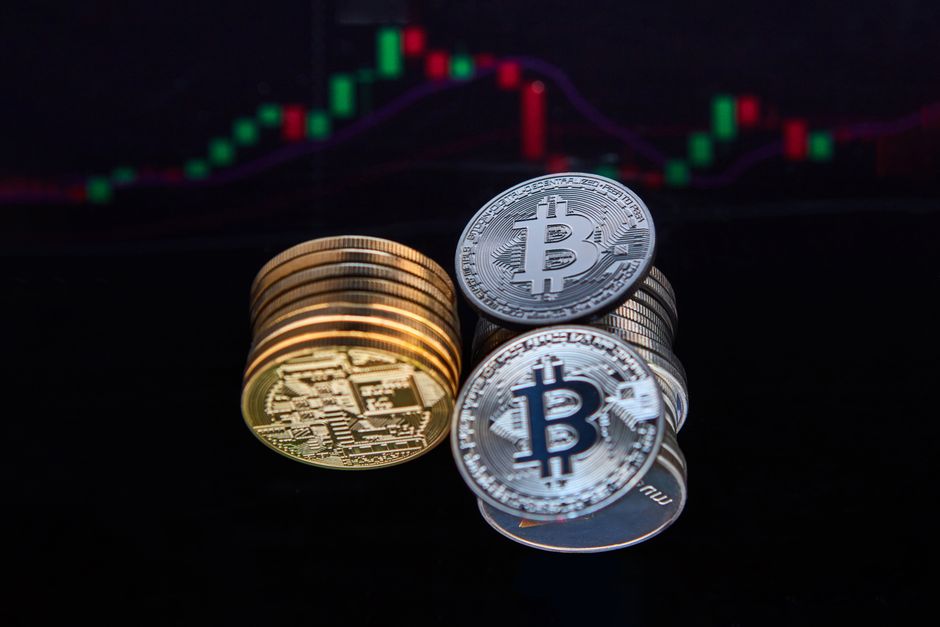
- Bitcoin dropped below $77,000 as markets reacted to the heightened geopolitical risk.
- Analysts anticipate increased volatility across crypto and traditional markets, along with potential stricter regulatory scrutiny.
- Energy prices are also under pressure, with the Strait of Hormuz chokepoint at risk.
- Central banks may need to adjust policy in response to the unfolding crisis.
Strikes Across the Middle East
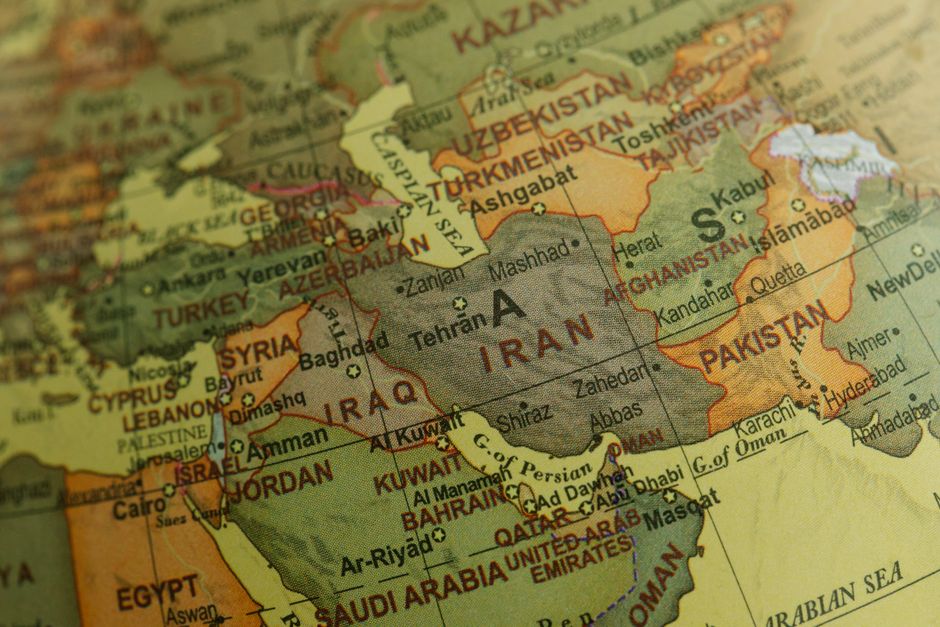
On May 28, the Islamic Revolutionary Guard Corps (IRGC) carried out strikes against multiple US air bases located across the Middle East. The attack, confirmed by multiple reports, came with an explicit warning from Tehran of stronger retaliation should the US respond.
The strikes mark a dramatic escalation in a conflict that had already seen US forces shoot down Iranian drones and conduct airstrikes in southern Iran. The IRGC’s naval arm had previously halted a US tanker attempting to pass through the Strait of Hormuz, a move that sent shockwaves through global oil markets.
The IRGC’s action is a direct challenge to US military presence in the region and risks drawing both nations into a broader confrontation.
Bitcoin Breaks Below $77K
The immediate market reaction was swift. Bitcoin tumbled below $77,000, a level not seen in months, as traders priced in the risk of a prolonged crisis. Crypto markets, already sensitive to macroeconomic shocks, absorbed the news with heavy sell-offs.
Crypto volatility is expected to remain elevated. The uncertainty surrounding the conflict — including potential sanctions, capital controls, and supply disruptions — creates a hostile environment for digital assets. Some analysts warn that the crisis could prompt a regulatory crackdown, as governments seek to monitor and control capital flows during periods of instability.
The Strait of Hormuz Factor
The Strait of Hormuz has emerged as a critical chokepoint in this conflict. The IRGC navy’s earlier move to halt a US tanker signaled that Iran is willing to disrupt one of the world’s most vital oil shipping lanes.
Approximately one-fifth of global oil passes through the Strait of Hormuz. Any sustained disruption could send energy prices soaring, compounding inflationary pressures already weighing on central bank policies.
The intersection of energy shocks and crypto market fragility creates a uniquely volatile moment. In past geopolitical crises, Bitcoin has sometimes acted as a hedge, but the current correlation with traditional risk assets suggests that the market is treating it as a risk-on asset in the near term.
Regulatory Fallout
The escalation also brings regulatory risks into sharp focus. The trend indicates that heightened geopolitical tensions and increased sanctions enforcement could lead to sustained market volatility and stricter crypto regulations. Governments may accelerate efforts to trace, freeze, or limit cross-border crypto transactions as part of sanctions regimes.
For crypto exchanges and investors, this means heightened compliance costs, potential liquidity restrictions, and increased scrutiny from authorities in both the US and allied nations. The Islamic Revolutionary Guard Corps itself has been a target of sanctions, and any further designations could ripple through the crypto ecosystem.
What Comes Next
The immediate question is whether the US will respond militarily, and how Iran will escalate further. The IRGC has warned of stronger retaliation, leaving the door open for additional strikes or unconventional attacks.
Markets will be watching for any signs of diplomacy or de-escalation. Meanwhile, Bitcoin and other crypto assets will remain under pressure, caught between the flight to safety and the flight from risk. Energy prices, central bank policy decisions, and the potential for a broader Middle Eastern conflict will shape the weeks ahead.
As the situation evolves, one thing is clear: the links between geopolitics, energy, and crypto have never been more tightly wound.
For confidential support call the Samaritans on 08457 90 90 90, or in the US call the National Suicide Prevention Line on 1-800-273-8255.