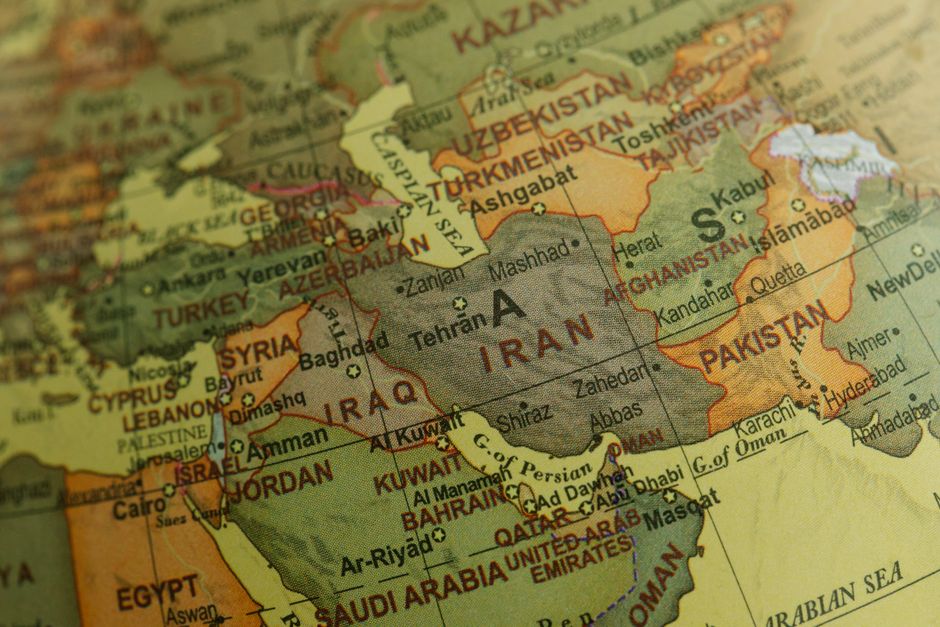
Iran’s renewed push for asset release and oil access is testing the limits of US diplomacy, with Qatari mediators caught in the middle.
What to know
- Iran is demanding the release of up to $100 billion in frozen assets, alongside unrestricted access to global oil markets.
- A separate demand for $12 billion has been tied to conditions for resuming talks after an alleged US ceasefire violation.
- Qatar is acting as the key mediator between Tehran and Washington.
- The negotiations include the potential transfer of uranium to China, a move that could redraw nuclear diplomacy and energy alliances.
- US-Iran tensions over maritime actions and asset freezes are raising the risk of oil supply disruptions.
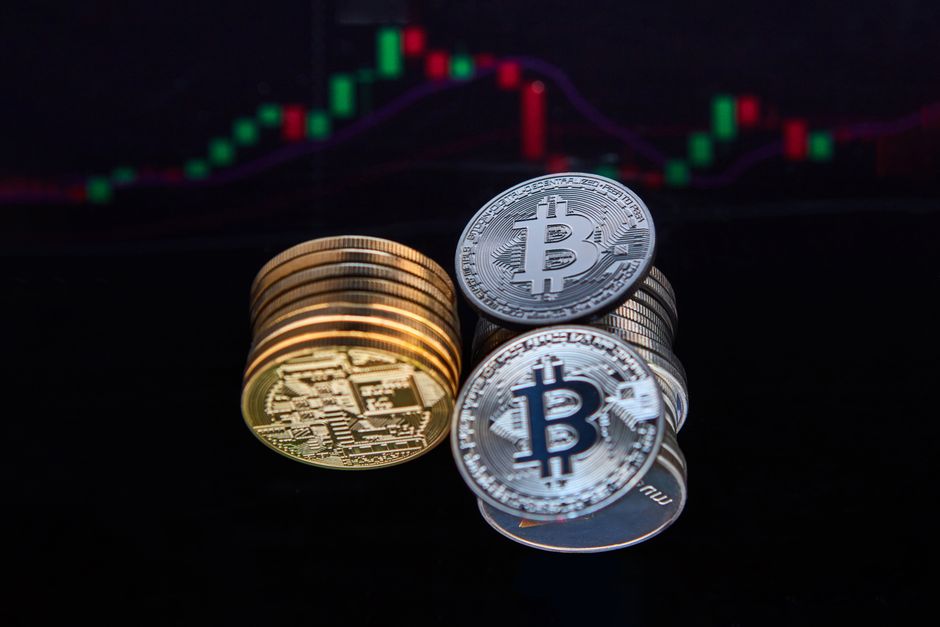
- Analysts warn that instability in the Gulf could fuel global inflation and spill into crypto market volatility.
- All discussions are unfolding under the shadow of a broader geopolitical realignment involving China, Russia, and the Gulf states.
The Stakes in the Gulf: Assets, Oil, and Leverage
The numbers involved are staggering. Iran is seeking access to roughly $100 billion in assets that have been frozen under US sanctions for years. In addition, a more immediate demand for $12 billion emerged after Tehran accused Washington of violating a maritime ceasefire. The release of these funds is presented as a precondition for any further diplomatic engagement.
The demand for oil market access is equally significant. Iran, one of the world’s largest crude producers, has seen its exports severely curtailed by sanctions. Gaining the ability to sell freely on global markets would not only revive its economy but also increase global supply, potentially lowering prices. However, such a move would disrupt the delicate balance maintained by OPEC+ and could face resistance from US allies in the region.
Qatar’s Diplomatic Balancing Act
Qatar has stepped into the role of mediator, leveraging its relationships with both Tehran and Washington. The small but influential emirate has previously facilitated hostage negotiations and ceasefires in the region. This time, the agenda is more complex: linking financial asset releases, nuclear material transfers, and energy policy in a single framework.
The presence of Qatar as an intermediary signals that backchannel communication remains active even as public tensions flare. For Doha, success would reinforce its reputation as an indispensable diplomatic hub. Failure, on the other hand, could expose it to criticism from both sides and undermine its neutral stance.
The China Wildcard: Uranium and Alliances
Perhaps the most explosive element of the negotiations is the potential transfer of Iranian uranium to China. The Trend explicitly notes that this could “shift geopolitical dynamics, impacting global energy markets and crypto trading environments.” While details are sparse, such a transfer would represent a major shift in nuclear nonproliferation efforts.
China has long been Iran’s largest oil customer and a key trading partner. A uranium deal would deepen that relationship and give Beijing greater influence over Tehran’s nuclear program. It could also weaken the West’s ability to enforce sanctions and control the nuclear narrative. The geopolitical calculus is rapidly evolving, and China stands to gain significant leverage.
Oil Markets and the Inflation-Crypto Nexus
Any disruption to oil flows from the Persian Gulf sends shockwaves through global markets. The US-Iran tensions over asset release and maritime actions are already being watched closely by traders. If talks break down or if Iran retaliates by restricting access to the Strait of Hormuz, oil prices could spike sharply.
Higher energy prices feed directly into inflation, which in turn affects central bank policies and asset valuations. The Trend notes that these developments could “impact global inflation and crypto trends.” Cryptocurrencies, often seen as a hedge against inflation, may see increased demand during periods of monetary instability. Conversely, a surge in oil prices could spur a risk-off sentiment that drags down speculative assets like Bitcoin and Ethereum.
Maritime Tensions and the Ceasefire Violation
A key flashpoint in the talks is the alleged US ceasefire violation that Iran claims occurred in the Persian Gulf. Tehran has linked the renewed negotiations to a $12 billion fund release, signaling distrust. The maritime dimension adds physical risk: any escalation could threaten tanker traffic and choke one of the world’s most vital energy chokepoints.
The US has not publicly confirmed the violation, but the timing of the talks suggests both sides are managing a fragile détente. The presence of Qatari mediators gives each party room to de-escalate without losing face.
Crypto Markets as a Barometer
Cryptocurrencies have become increasingly sensitive to geopolitical shocks. The Trend highlights that the US-Iran tensions could “impact … crypto trends.” Institutional investors often treat crypto as a high-risk asset class that reacts to macro uncertainty. A breakdown in negotiations could trigger a flight to traditional safe havens, while a deal might boost risk appetite and lift digital assets.
The potential uranium transfer to China adds another layer for crypto markets. If energy prices spike and inflation expectations rise, Bitcoin’s narrative as digital gold may be tested. Conversely, a sustained period of instability could drive adoption in sanctions-resistant assets like Bitcoin from Iranian citizens.
Looking Ahead
The coming weeks will determine whether the US and Iran can bridge their differences or whether these negotiations collapse into deeper confrontation. The involvement of Qatar and the shadow of China means this is no longer a bilateral issue but a multi-polar chess game.
For investors and analysts, the key variables to watch are oil price movements, any announcements from the US Treasury regarding asset releases, and signals from Beijing on the uranium front. The ripple effects will be felt not just in commodity markets but across the entire financial landscape, including the crypto space.
The stakes could not be higher — a successful deal might ease inflation and restore some stability, while failure risks escalating a crisis that touches everything from gas pumps to digital wallets.