As Israeli airstrikes continue in Gaza, a delicate US-Iran peace deal hangs in the balance — with global oil markets and cryptocurrency prices watching closely.
What to know
- On May 24, 2026, Israeli forces launched new strikes in Gaza amid ongoing US-Iran peace negotiations.
- The strikes risk undermining diplomatic progress between the US and Iran, potentially destabilizing broader Middle Eastern talks.
- A near-finalized Iran war deal framework, announced by Trump, could stabilize global energy markets and impact oil prices.
- The deal could reshape trade dynamics across the Middle East and influence cryptocurrency adoption.
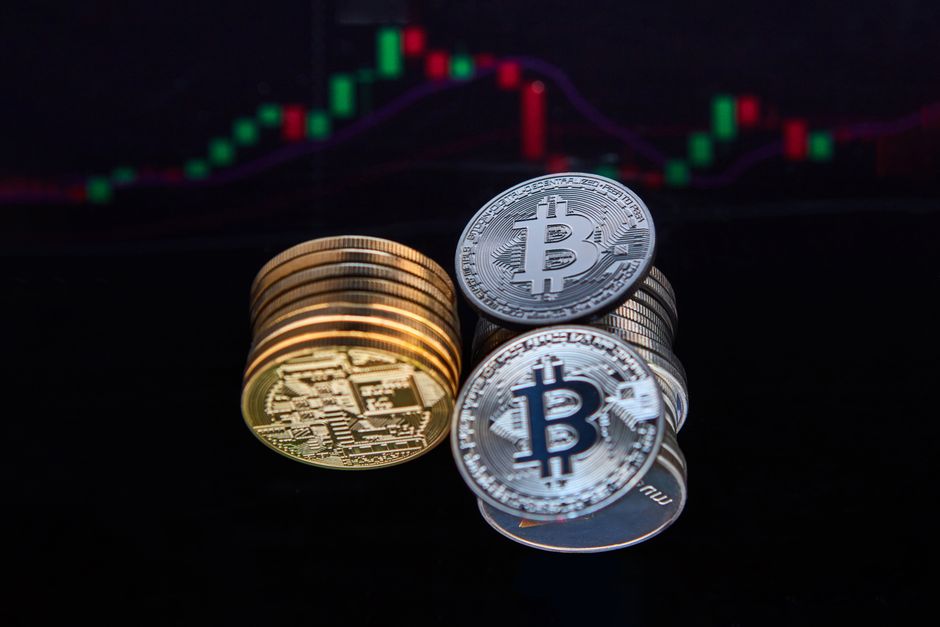
- Bitcoin surged past $82K as talks progressed, reflecting market optimism about easing geopolitical tensions.
- A memorandum of understanding between Iran and the US could be finalized as early as next week.
- The framework is expected to be in place by the end of the month.
The Fragile Diplomatic Landscape
The simultaneous escalation in Gaza and the rapprochement between Washington and Tehran underscores the volatile complexity of Middle Eastern politics. On May 24, Israeli airstrikes hit multiple targets in Gaza, just as reports emerged that the US and Iran were nearing a historic understanding.
"The indefinite ceasefire extension fosters cautious optimism for regional stability and economic shifts, yet lacks a clear path to lasting peace," noted one analysis.
The strikes create a direct challenge to the Trump administration's diplomatic push. For weeks, negotiators have been working behind the scenes, with Trump himself announcing that a war deal framework with Iran was "nearly finalized." But the renewed violence in Gaza threatens to unravel that progress.
Oil Markets and the Strait of Hormuz
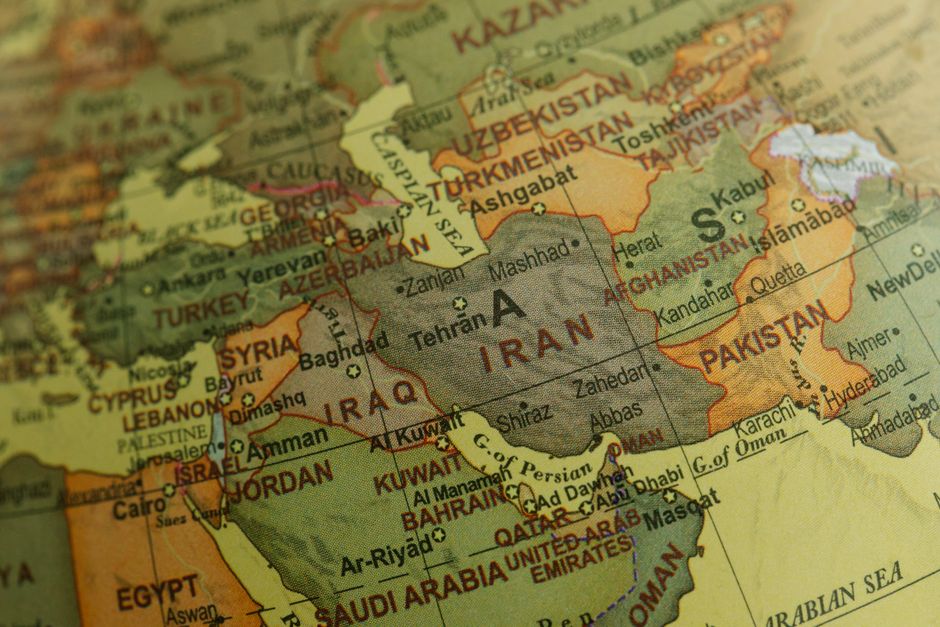
A key driver behind the urgency of a US-Iran deal is the Strait of Hormuz, a critical chokepoint for global oil shipments. Any disruption there could send crude prices soaring. Conversely, a successful agreement could ease tensions, stabilize energy markets, and lower oil prices.
The potential Iran deal could reshape global oil trade dynamics and raise regulatory concerns over cryptocurrency's role in international agreements.
Iran has long used its geographic position as leverage. A deal that opens the door to normalized trade would not only impact oil flows but also reshape the broader Middle East economic landscape.
Bitcoin's Surge as a Hedge
As geopolitical uncertainty and potential oil price volatility loom, Bitcoin has emerged as a beneficiary. The cryptocurrency surged past $82K as the framework for a US-Iran deal took shape.
Analysts point to a growing narrative that digital assets are being adopted as hedges against both inflation and geopolitical risk. The potential easing of US-Iran tensions could boost cryptocurrency adoption further, as investors seek alternatives to traditional markets.
The potential easing of US-Iran tensions could reshape global economic dynamics, impacting oil markets and boosting cryptocurrency adoption.
This interplay between geopolitics and crypto markets marks a new era for the asset class.
The Trump Administration's Balancing Act
Former President Trump — now leading the negotiations — has positioned the Iran deal as a major foreign policy victory. But the simultaneous Israeli military action in Gaza complicates the narrative. Trump must balance support for Israel with the need to secure a deal with Iran.
The framework, once finalized, would represent one of the most significant diplomatic breakthroughs in the region in decades. Yet, without addressing the Israeli-Gaza conflict, any agreement may remain fragile.
Looking Ahead
The next week will be critical. If the US-Iran memorandum of understanding is signed as expected, global markets could see a swift repricing of oil and energy assets. Bitcoin may continue its rally if the deal signals a broader de-escalation.
However, the Israeli strikes in Gaza serve as a reminder that peace in the Middle East is never linear. Traders and policymakers alike should watch for further developments on both fronts.