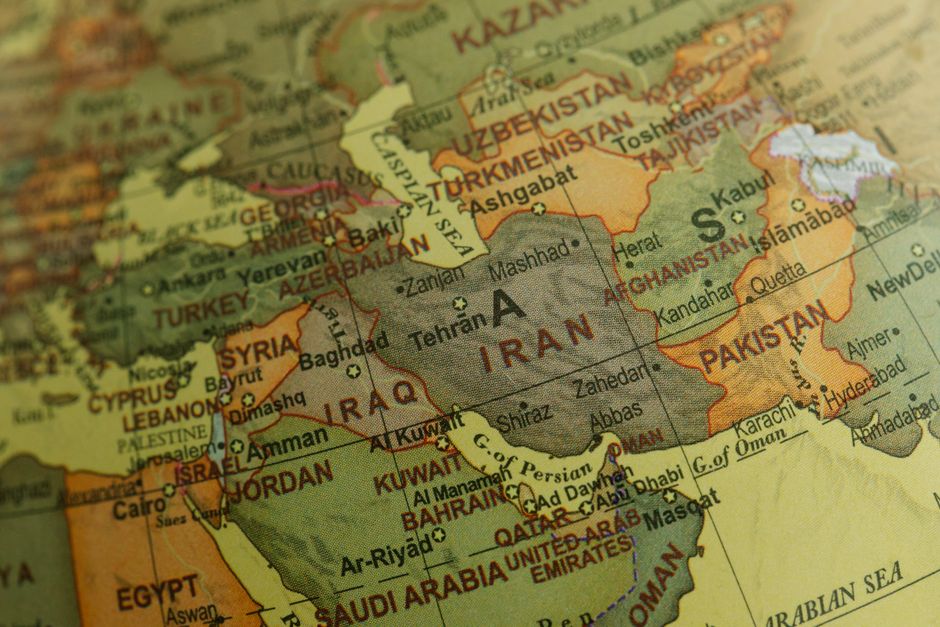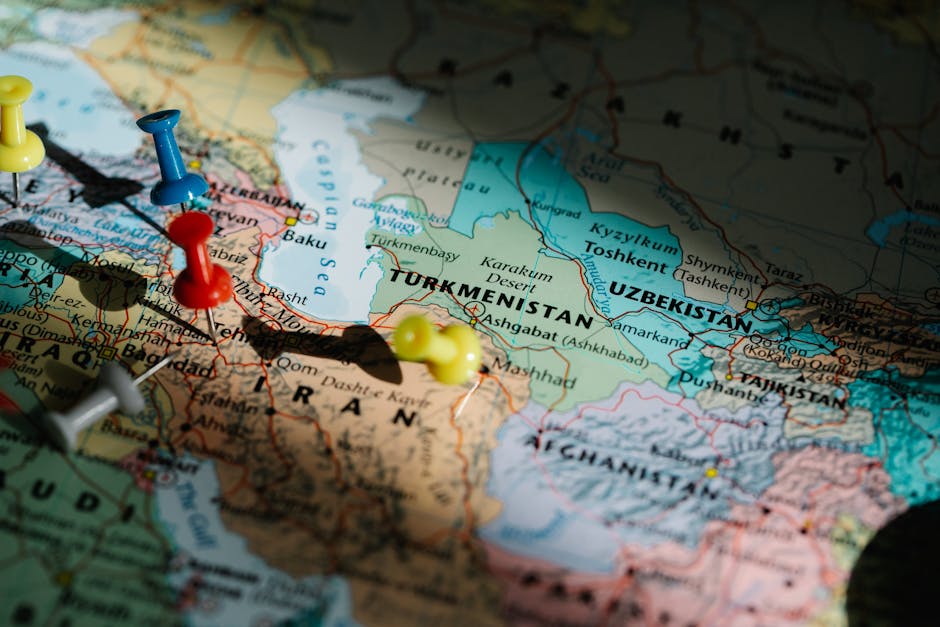
Kazakhstan’s unexpected proposal to manage Iran’s uranium stockpile could reshape nuclear diplomacy, but Tehran’s shifting priorities introduce new uncertainties.
What to know
- On May 29, 2026, Kazakhstan offered to manage Iran’s enriched uranium stockpile as part of a potential nuclear deal.
- The offer aims to reduce geopolitical risks and stabilize global nuclear diplomacy, according to reports.
- Two days later, Tehran announced it would prioritize ending regional conflicts over uranium enrichment talks.
- The divergence between Kazakhstan’s diplomatic initiative and Iran’s own agenda threatens to slow nuclear negotiations.
- The proposal comes amid heightened US-Iran tensions, including a previous uranium excavation plan by the Trump administration.
- Kazakhstan, a former Soviet republic with vast uranium resources, positions itself as a neutral mediator in the standoff.
- Iran’s focus on conflict resolution—likely referring to conflicts in Yemen, Syria, or elsewhere—may signal a strategic shift in its foreign policy.
A Central Asian Mediator Emerges
Kazakhstan has long been a quiet player in global nuclear affairs. After renouncing the nuclear weapons it inherited from the Soviet Union, the country became a champion of non-proliferation. Now, it is stepping into the spotlight with a bold offer: to manage Iran’s enriched uranium stockpile if a comprehensive nuclear deal is reached.
The proposal, first reported on May 29, 2026, is framed as a stabilizing force. By hosting Iran’s uranium, Kazakhstan could reduce the risk of the material falling into the wrong hands or being weaponized. It also provides a neutral location for enrichment oversight, potentially satisfying Western concerns while allowing Iran to retain some control.
The offer could stabilize global nuclear diplomacy and reduce geopolitical risks, impacting energy prices and regional trade dynamics.
Kazakhstan’s role is not purely altruistic. As one of the world’s largest uranium producers, the country has a direct stake in the nuclear fuel cycle. Managing Iran’s stockpile would enhance its geopolitical influence and position it as an indispensable partner in non-proliferation efforts.
Tehran’s Calculated Priorities
Just two days after Kazakhstan’s offer, Tehran made its own priorities clear. The Iranian government announced that it would focus on resolving regional conflicts before engaging in uranium enrichment talks. This statement, reported on May 30, underscores a fundamental tension in the diplomatic process.
For Iran, the calculus is complex. The regime is deeply involved in conflicts across the Middle East—from supporting proxies in Yemen to maintaining influence in Syria and Iraq. Ending these conflicts is a strategic imperative that may take precedence over nuclear negotiations, especially if the regime believes the uranium file is not an immediate threat.
Tehran’s focus on conflict resolution over uranium talks may hinder nuclear deal prospects, impacting regional stability and diplomatic efforts.
This pivot could be a negotiating tactic: by demanding progress on conflicts, Iran may seek to extract concessions from the West. Alternatively, it could reflect genuine domestic pressure to address ongoing wars that drain resources and fuel instability. Either way, the timing complicates Kazakhstan’s diplomatic overture.
The Nuclear Deal Maze
The backdrop to these developments is the long-stalled nuclear negotiations between Iran and world powers. The JCPOA, or Iran nuclear deal, has been in limbo since the US withdrawal in 2018. Efforts to revive it have faced repeated setbacks, including recent tensions over uranium excavation plans by the Trump administration.
According to the timeline, a previous event involved Trump’s uranium excavation plan, which may escalate US-Iran tensions and reduce chances for agreements. This context makes Kazakhstan’s offer both timely and fragile. If Washington and Tehran are locked in a cycle of escalation, a third-party solution may be the only viable path forward.
Kazakhstan has historical ties with both sides. It maintains good relations with Russia and China, while also cooperating with Western institutions. This balancing act makes it a credible intermediary—but only if all parties are willing to engage.
Kazakhstan’s mediation role could foster diplomatic progress, enhancing stability and reducing nuclear tensions between Iran and the West.
However, Iran’s refusal to prioritize uranium talks could render the offer moot. Without Iran’s cooperation, Kazakhstan cannot take control of the stockpile. The ball is squarely in Tehran’s court.
Implications for Energy and Regional Security
The potential impact of Kazakhstan’s offer extends beyond diplomacy. If implemented, it could stabilize uranium markets and influence energy prices. Uncertainty over Iran’s nuclear program has long been a factor in global oil and gas markets, and a credible management plan could reduce risk premiums.
Regionally, the offer could reshape trade dynamics. Kazakhstan is already a key energy exporter, and a successful nuclear partnership with Iran would strengthen its economic ties with the Middle East. Conversely, if talks collapse, the region may face renewed instability, with Iran accelerating its enrichment activities.
Reducing nuclear tensions could unlock new investment and cooperation in Central Asia and the Persian Gulf.
The security implications are equally significant. A managed uranium stockpile lowers the risk of proliferation or accidental escalation. It also provides a precedent for future non-proliferation initiatives involving other states.
Looking Ahead
The coming weeks will be critical. Tehran must decide whether to engage with Kazakhstan’s proposal or continue prioritizing conflict resolution. The US and European powers will watch closely, weighing their own responses.
If Iran accepts, Kazakhstan’s offer could become the cornerstone of a renewed nuclear deal—one that includes regional confidence-building measures. If not, the world may see a return to brinkmanship, with all the risks that entails.
Kazakhstan has made a bold move. The question now is whether Iran is ready to meet it halfway—and whether the broader geopolitical landscape allows room for diplomacy to succeed.