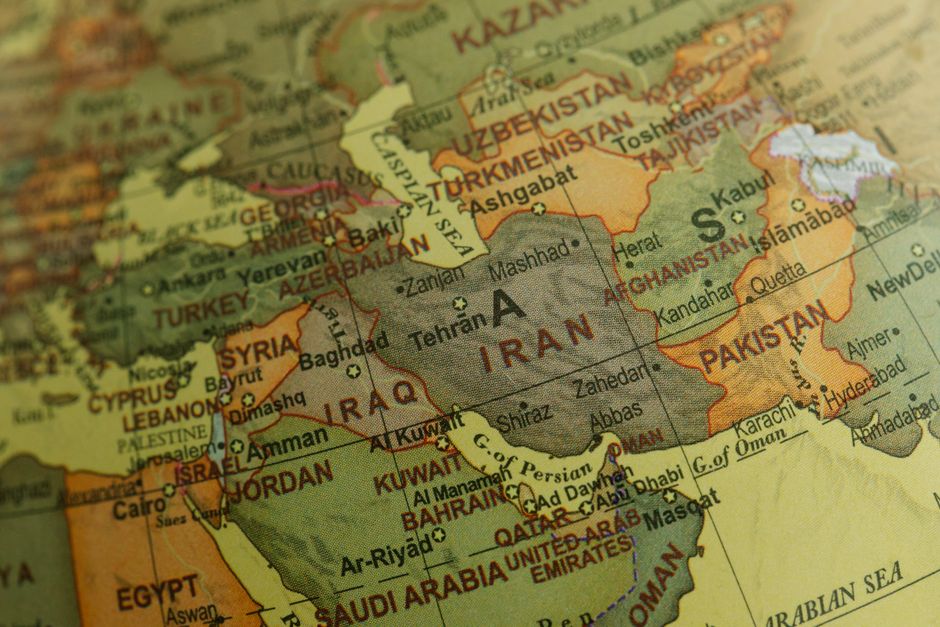
A naval mine discovered in the Strait of Hormuz has triggered a rapid escalation between the United States and Iran, as the US enforces a blockade in the Gulf of Oman and Iran warns military ships may be targeted. The world's most critical oil chokepoint is now at the center of a deepening crisis with global consequences.
What to know
- On May 30, 2026, a naval mine was discovered in the Strait of Hormuz, directly heightening US-Iran tensions.
- The United States enforced a blockade in the Gulf of Oman, disabling a Gambia-flagged vessel as part of the operation.
- Iran issued a warning that military ships in the Strait of Hormuz may become legitimate targets.
- Iran is advancing its control over the Strait, potentially escalating geopolitical tensions and threatening freedom of maritime navigation.
- Prolonged maritime disruptions are expected, which could impact global oil supply stability and security.
- Analysts warn that oil exports through the Strait are unlikely to return to pre-war levels amid the rising tensions.
- The blockade and mine discovery have exacerbated regional instability, with global oil markets already reacting to the risks.
The Discovery That Changed the Calculus
The discovery of a naval mine in the Strait of Hormuz marks a significant inflection point in an already volatile standoff. The presence of an unclaimed mine in one of the world's most strategic waterways immediately raised alarms about the potential for a broader confrontation. The US and Iran have been locked in a tense struggle for influence in the region, but the mine introduces a tangible hazard that could trigger a military response.
Key takeaway: The naval mine discovery is not an isolated incident; it is the catalyst for a sequence of actions that have rapidly escalated the stakes.
The US responded swiftly by enforcing a blockade in the Gulf of Oman, a move that included disabling a Gambia-flagged vessel. This action signals a willingness to interdict maritime traffic in what Iran considers its sphere of influence. The blockade effectively extends the perimeter of the crisis beyond the Strait itself, threatening to choke off alternative routes for shipping.
Blockade in the Gulf of Oman: A Dangerous Precedent
The US blockade in the Gulf of Oman represents a significant escalation in naval posture. By disabling a Gambia-flagged vessel, Washington is sending a clear message that it will not tolerate any perceived threats to freedom of navigation. However, this tactic risks further inflaming tensions with Iran, which views the Gulf of Oman as part of its strategic backyard.
The blockade also raises practical concerns for commercial shipping. The Gulf of Oman is a crucial corridor for tankers exiting the Strait of Hormuz, and any disruption there reverberates through global supply chains. With the Strait itself already under pressure from the mine threat, the blockade creates a two-layered bottleneck for oil and goods.
Key takeaway: The combination of the mine and the blockade effectively tightens a noose around maritime traffic, threatening to strangle energy flows.
Iran’s Warning: Warships in the Crosshairs
Iran's response was swift and pointed. The Iranian government warned that military ships in the Strait of Hormuz may become targets. This statement dramatically raises the risk of direct naval engagement. While Iran has historically threatened to close the Strait, a explicit warning targeting military vessels marks a departure from past rhetoric.
The warning is likely intended as a deterrent against further US naval operations, but it also carries the risk of miscalculation. Any accidental engagement could spiral into a broader conflict. Iran is also advancing its control over the Strait, suggesting a longer-term strategy to solidify its position regardless of international opposition.
Key takeaway: Iran's warning to target military ships transforms the Strait of Hormuz from a zone of tension into a potential war zone.
Global Oil Markets on the Edge
The developments are already sending shockwaves through global oil markets. With the Strait of Hormuz handling roughly 20% of the world's oil supply, any sustained disruption could have severe consequences. Analysts quoted in the reporting warn that oil exports through the Strait are unlikely to return to pre-war levels, implying that higher prices may be the new normal.
The impact will be felt most acutely in Asia, which relies heavily on Middle Eastern crude. European and North American markets will also see upward pressure on prices. The combination of the naval mine, the blockade, and Iran's threats creates a perfect storm for energy security.
It is not just oil supply that is at risk. The broader implications for maritime insurance, shipping routes, and global trade are immense. Shipping companies may demand higher premiums or reroute vessels around the Cape of Good Hope, adding weeks to transit times.
Looking Ahead
The situation remains fluid, but the trajectory is concerning. All parties appear to be digging in, with the US enforcing its blockade and Iran escalating its warnings. The naval mine discovery serves as a stark reminder that even a single incident can trigger a cascade of responses.
What to watch for in the coming days:
- Further US naval deployments to the region.
- Iran's next move, potentially the laying of additional mines or harassment of commercial vessels.
- The reaction of global oil markets, with possible emergency meetings of the International Energy Agency.
- Diplomatic efforts, if any, to de-escalate the situation before a shooting conflict begins.
The Strait of Hormuz has long been considered a flashpoint, but the convergence of a naval mine, a US blockade, and an Iranian targeting warning has brought the region closer to the edge than it has been in years. The world is watching, and the stakes could not be higher.