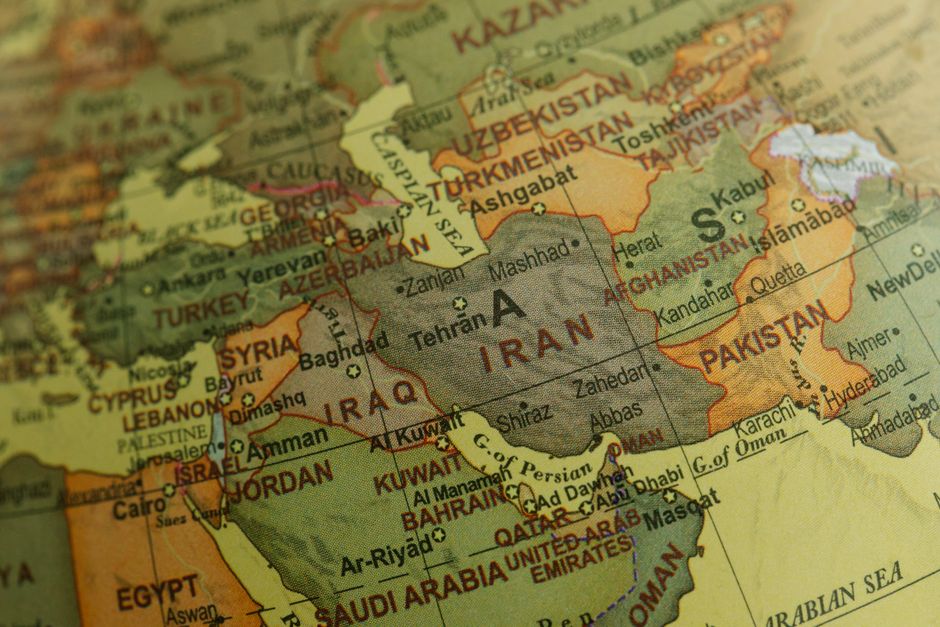
The Qatari negotiating team’s visit to Tehran could reshape Middle Eastern diplomacy and global energy markets if a breakthrough is reached. But Iran has drawn a red line on nuclear talks, and the fragile cease-fire is at a breaking point.
What to know
- Qatar has sent a negotiating team to Tehran to mediate between the US and Iran and extend the current cease-fire.
- Iran has stated that no deal is possible if the US brings up the nuclear program, limiting the scope of talks.
- Mediators are now seeking a stopgap deal to buy time and prevent a collapse of the cease-fire.
- A cease-fire collapse could destabilize global oil markets, heighten regional tensions, and complicate diplomatic relations worldwide.
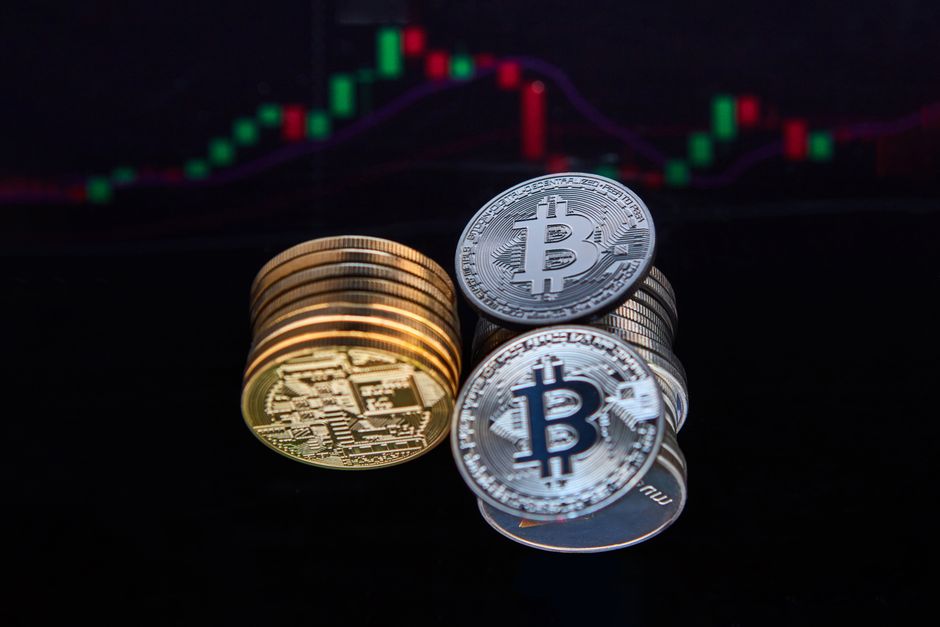
- The ongoing US-Iran stalemate is already impacting crypto markets, with Bitcoin and other risk assets sensitive to geopolitical headlines.
- US-Iran peace talks have shifted market dynamics, boosting risk assets like Bitcoin while potentially easing inflationary pressures through lower oil prices.
- The Qatari role marks a significant diplomatic move that could alter the trajectory of Middle Eastern diplomacy and global energy flows.
The Fragile Cease-fire
The cease-fire between the US and Iran was always a delicate construct, and now it is teetering on the edge of collapse. Reports from Crypto Briefing indicate that a collapse would not only destabilize global oil markets but also heighten regional tensions and complicate diplomatic relations worldwide. The window for a diplomatic solution is narrowing, and the stakes could not be higher.
A cease-fire collapse could destabilize global oil markets, heighten regional tensions, and complicate diplomatic relations worldwide.
Mediators have shifted their focus to a stopgap deal — an interim arrangement that could extend the truce and provide breathing room for more comprehensive negotiations. This approach reflects the urgency of the situation, but the path forward remains uncertain.
Qatar's Diplomatic Push
Qatar has emerged as a key mediator, sending a negotiating team to Tehran to facilitate talks between the US and Iran. This move could reshape Middle Eastern diplomacy if successful. Qatar has a history of acting as a bridge between adversarial nations, and its involvement signals that both sides may still see a path to de-escalation.
The Qatari team's presence in Tehran underscores the gravity of the moment. If sanctions ease as part of a deal, the impact on global energy markets would be immediate. Iranian oil, much of it currently under sanctions, could return to the market, potentially lowering prices and easing inflationary pressures that have weighed on the global economy.
The Qatari team's involvement in US-Iran talks could reshape Middle Eastern diplomacy and impact global energy markets if sanctions ease.
Oil Markets in the Crosshairs
Crude oil markets are already on edge. A cease-fire collapse would likely send prices spiking as supply fears re-emerge. Conversely, a successful agreement that brings Iranian oil back online could provide much needed relief. The balance between these two outcomes is precarious, and traders are watching every headline out of Tehran and Washington.
Lower oil prices would have a cascading effect: reduced transportation costs, lower input prices for industries, and a potential easing of central bank hawkishness. For an economy still grappling with inflation, that would be a significant tailwind.
Crypto Markets: A New Geopolitical Barometer?
Perhaps surprisingly, crypto markets are also paying close attention. The US-Iran stalemate has highlighted the growing intersection between geopolitics and digital assets. Bitcoin has shown sensitivity to the outcome of these talks, with risk assets rallying on peace optimism and selling off when tensions flare.
The ongoing US-Iran stalemate impacts crypto markets, highlighting the geopolitical risks and regulatory scrutiny facing digital assets.
This correlation is not accidental. A diplomatic breakthrough would likely boost risk appetite across all asset classes, including crypto. At the same time, regulatory scrutiny remains a wildcard — any escalation could prompt governments to tighten oversight of digital currencies in the name of national security.
Iran's Nuclear Red Line
Iran has been unequivocal: no deal if the US brings up the nuclear program. This stance narrows the negotiating space and increases the likelihood that any agreement will be limited in scope. The nuclear issue remains the most explosive point of contention, and its exclusion from talks may only delay a more fundamental resolution.
For now, mediators are focusing on what can be achieved — a temporary extension of the cease-fire, a freeze on hostilities, and perhaps a commitment to broader negotiations later. But Iran's red line means that the nuclear clock continues to tick, adding to the long term uncertainty.
What's at Stake for the Region
A cease-fire collapse would not be contained to US-Iran relations. It could ignite a broader regional conflict, drawing in proxies and allies across the Middle East. Energy infrastructure, shipping lanes, and already fragile states could be destabilized. Diplomatic relations with other Gulf nations, including Qatar, would also be tested.
On the other hand, a successful mediation effort could position Qatar as an indispensable diplomatic player and pave the way for a more stable regional order. The ripple effects would extend far beyond the immediate parties.
Looking Ahead
The next few days will be critical. The Qatari team is in Tehran, mediators are pushing a stopgap, and both Washington and Iran are weighing their options. Crypto markets and oil traders will be glued to any development.
If a deal is reached, expect a relief rally in risk assets and a potential drop in oil prices. If the cease-fire collapses, prepare for volatility across the board. Either way, the outcome will reshape global markets and Middle Eastern diplomacy for months to come.