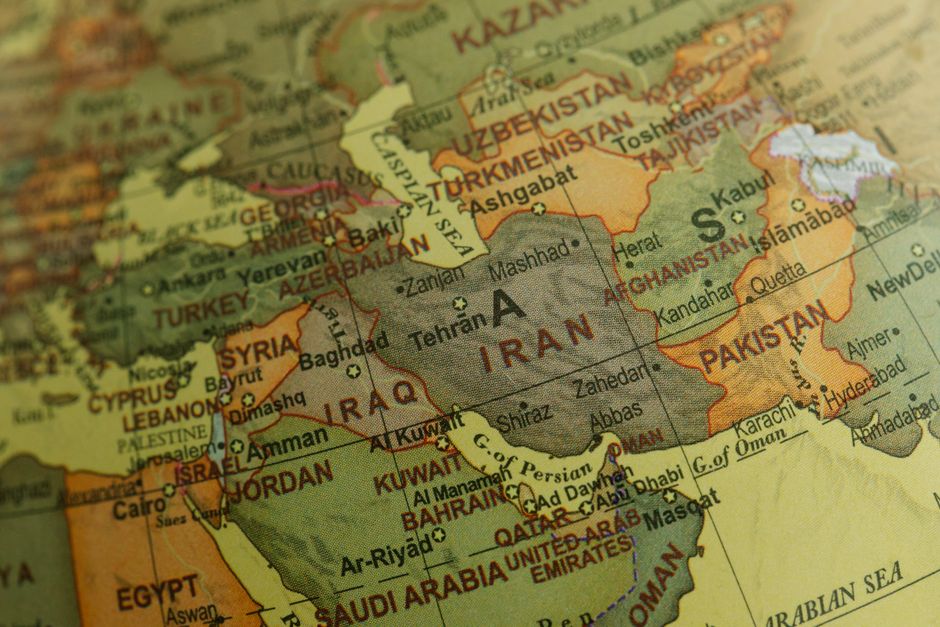
As the US maintains a de facto blockade on Iranian ports, global shipping lanes face unprecedented risk. The British Maritime Authority's warning adds a stark layer of urgency to an already volatile situation.
What to know
- The US naval blockade of Iranian ports continues, contradicting earlier claims by Trump that it had been lifted.
- Iran has formally accused the US of betraying diplomatic efforts, escalating already high tensions.
- The British Maritime Authority has issued an explicit warning for all ships to avoid the Strait of Hormuz due to heightened military activity.
- Qatar’s stance against permanent fees at the St. James’s Gate has drawn international condemnation, adding a diplomatic layer to the crisis.
- Analysts warn that any disruption in the Strait of Hormuz could destabilize global oil markets and increase military presence in the region.
- Multiple reports from Crypto Briefing detail the sequence of events, emphasizing the risk to international trade stability.
The Unraveling of Diplomacy
The narrative emerging from the Strait of Hormuz is one of broken assurances and escalating brinkmanship. Despite earlier signals from Washington that the naval blockade of Iranian ports might be eased, independent reports and official statements confirm the opposite: the US Navy continues to enforce a strict cordon. Iran’s leadership has reacted with fury, labeling the American posture a betrayal of ongoing backchannel negotiations. This diplomatic breakdown removes the last shred of confidence that a peaceful resolution is near.
The timing could not be worse. Global shipping lanes are already stretched thin by post-pandemic demand and regional conflicts. The Strait of Hormuz, through which roughly one-fifth of the world’s oil passes, is the most critical maritime chokepoint on the planet. A sustained military standoff here would not just raise insurance premiums for tankers — it would trigger cascading supply shocks from Asia to Europe.
The Strait as a Global Chokepoint
Every day, millions of barrels of crude and liquefied natural gas transit the narrow waters between the Arabian Peninsula and Iran. The British Maritime Authority’s warning — advising all commercial vessels to steer clear — is a de facto acknowledgment that the area is now a high-risk zone. Such advisories are rare and carry enormous weight: insurers hike premiums, crews refuse to sail, and flag states impose restrictions. The result is a rapid contraction in available tonnage for one of the world’s busiest energy routes.
What makes this episode particularly dangerous is the lack of alternative routes. The Strait of Hormuz has no practical bypass for supertankers. Any prolonged closure or military engagement would force oil prices into a spike not seen since the 1973 embargo. The US blockade of Iranian ports cuts off one of the region’s largest exporters, tightening supply even before a physical closure of the strait.
Qatar’s Contentious Stand
Amid the militarized standoff, Qatar has injected a surprising diplomatic twist. Doha has openly opposed the imposition of permanent transit fees at the so-called St. James’s Gate — a term that, in this context, appears to refer to a critical checkpoint or toll point within the strait’s complex passage. The international community has condemned Qatar’s position, viewing it as an obstruction to a potential revenue-sharing mechanism that could de-escalate tensions.
This development underscores how even minor diplomatic divergences can amplify instability. Qatar, often a mediator in Persian Gulf disputes, now finds itself isolated on this issue. The condemnation suggests broad support among shipping nations and regional powers for some form of predictable fee structure — perhaps as a way to fund maritime security or compensate for disruption risks. But Qatar’s resistance threatens to unravel whatever fragile consensus existed.
British Maritime Authority's Red Alert
The British Maritime Authority did not mince words. Its advisory to avoid the Strait of Hormuz is not a suggestion but a near-mandate for UK-flagged vessels. Given the UK’s naval capabilities and its role in allied maritime coalitions, this warning signals that London expects a further deterioration in security. The authority’s assessment likely factors in intelligence about increased Iranian missile battery placements, US carrier group movements, and the potential for asymmetric attacks using mines or small boats.
This warning cascades through the global shipping ecosystem. Other nations’ maritime bodies often follow suit, creating a coordinated avoidance zone. The result is a self-reinforcing feedback loop: fewer ships transit, supply tightens, prices rise, and the economic pain forces diplomatic urgency.
The Stakes for Energy Markets
While the Strait of Hormuz has seen periodic confrontations for decades, the current combination of elements is uniquely dangerous. A full blockade of Iranian ports, coupled with a formal warning to avoid the strait, creates conditions reminiscent of the Tanker War during the Iran-Iraq conflict in the 1980s. Energy markets, already nervous about OPEC+ quotas and Russian sanctions, now face the prospect of a sudden 20% reduction in accessible supply.
Trump’s earlier claim that the blockade had been lifted now appears either premature or deliberately misleading. The discrepancy erodes trust in US diplomatic communications and complicates any future negotiation. For import-dependent nations like India, Japan, and South Korea, the margin for error is shrinking by the day.
Looking Ahead
The only certainty is that the Strait of Hormuz will remain a flashpoint for the foreseeable future. The US shows no sign of lifting its naval blockade, Iran is unlikely to back down under accusations of betrayal, and Qatar’s isolated stance on fees removes a potential off-ramp. The British Maritime Authority’s warning will probably extend for weeks, if not months.
Global trade stability now depends on a diplomatic miracle — one that, based on the current trajectory, appears distant. Investors, shippers, and governments must prepare for a protracted period of elevated risk in the world’s most vital waterway.
— Editorial analysis by the newsroom