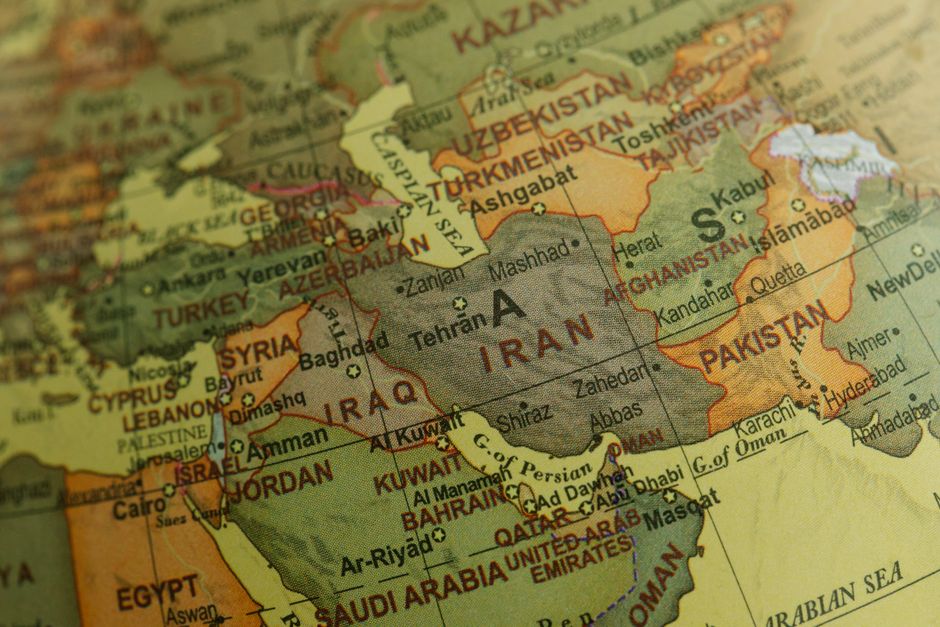
As the Middle East teeters on the brink of a broader conflict, a rare diplomatic opening between Washington and Tehran is sending shockwaves through both traditional markets and the crypto sphere.
What to know
- Trump acknowledged on June 8 that the US and Iran are close to a deal, even as missile tensions escalated between Iran and Israel.
- The former president reportedly urged Israeli Prime Minister Netanyahu not to retaliate, aiming to de-escalate the crisis.
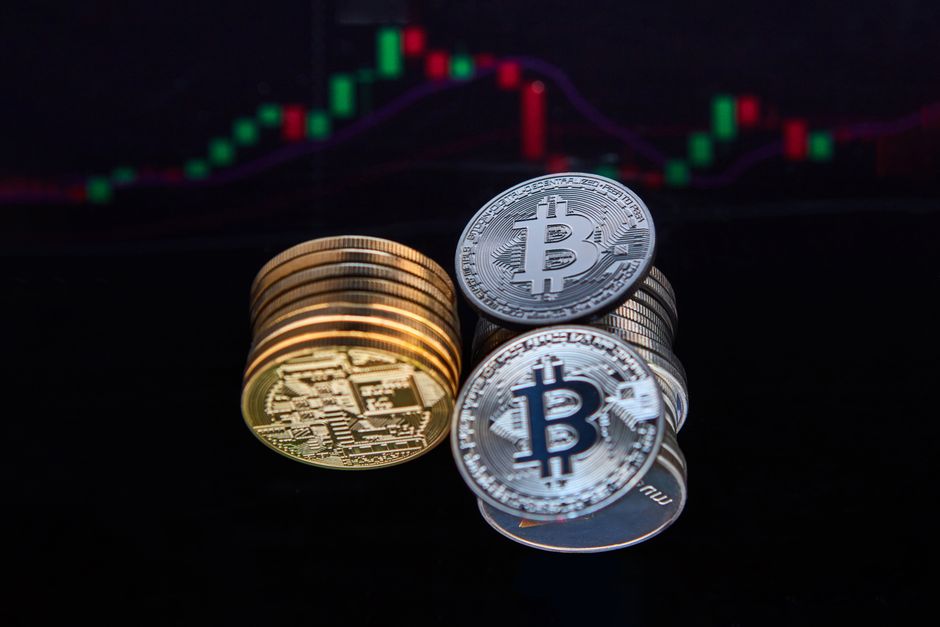
- Bitcoin experienced sharp price swings, whipsawing as news of the diplomatic push and missile attacks crossed the wires, with one report citing a price of $62.9K.
- Renewed conflict in the region threatens energy markets and global economic stability, as reported by Crypto Briefing.
- The developments highlight the growing intersection of geopolitics and digital assets, with Bitcoin caught in the crossfire of international crises.
The Diplomatic Tightrope
The renewed conflict between Iran and Israel has challenged diplomatic stability in the Middle East. Missile exchanges erupted, raising fears of a wider war that could disrupt energy markets and global supply chains. In a dramatic intervention, Trump stepped in, signaling that a US-Iran deal is imminent. He urged Netanyahu to stand down, a move that underscores the fragile balance of power in the region.
Reports from Crypto Briefing paint a picture of rapid escalation followed by a sudden pivot to diplomacy. The timeline shows a sequence: first, renewed conflict risks destabilizing regional security; then, missile tensions heighten, complicating negotiations; finally, Trump announces progress on a deal. Each phase reverberated through financial markets, with Bitcoin acting as a real-time barometer of geopolitical anxiety.
The US role as mediator is crucial. A successful deal could stabilize the region, but any misstep could plunge the Middle East back into chaos. Trump’s direct involvement hints at a shift in American foreign policy, leveraging personal diplomacy to avert a larger catastrophe.
Bitcoin Caught in the Crossfire
Bitcoin has long been touted as a hedge against traditional market turmoil, but recent events tell a different story. As missile news broke, Bitcoin whipsawed, dropping sharply before rebounding on Trump’s deal comments. One data point captured the volatility: a price of $62.9K during the peak of uncertainty.
The cryptocurrency market is increasingly sensitive to geopolitical risk. Unlike gold, which often rallies in crises, Bitcoin remains tied to risk-on sentiment. The Middle East tensions exposed this vulnerability, with Bitcoin acting more like a speculative asset than a safe haven. However, the potential for a US-Iran deal could restore calm and push Bitcoin higher, depending on how markets digest the outcome.
Crypto Briefing’s coverage emphasized that Bitcoin is “caught in the crossfire,” highlighting how international crises now directly impact digital asset prices. For investors, this means monitoring diplomatic cables alongside trading charts.
Markets on Edge
Global markets are on edge. The conflict threatens energy supplies, as Iran is a major oil producer and the Strait of Hormuz remains a chokepoint. Any disruption could spike oil prices, feeding inflation and complicating central bank policy. The US-Iran deal, if successful, could alleviate some of that pressure, stabilizing commodities and equity markets.
Trump’s intervention has added a layer of uncertainty. Markets must weigh the probability of a deal against the risk of renewed hostilities. The Israeli and Iranian stances remain unclear, and Beirut has also been mentioned in reports, suggesting the conflict could expand beyond bilateral tensions.
Looking Ahead
The coming days will be critical. Trump’s deal announcement may be a genuine breakthrough or a diplomatic gambit. Netanyahu’s response will determine whether the ceasefire holds. Bitcoin will likely remain volatile, swinging on any news from the Middle East.
The situation is a reminder that geopolitics and crypto are now intertwined. For now, all eyes are on Washington, Tehran, and Tel Aviv. A deal could de-escalate tensions and stabilize markets, but the underlying risk of conflict remains high. Investors should brace for more whipsaw moves until a clear resolution emerges.