The order to seal off the world's most vital oil artery marks a dramatic escalation in the long-simmering conflict between Washington and Tehran, with immediate repercussions for global finance.
What to know
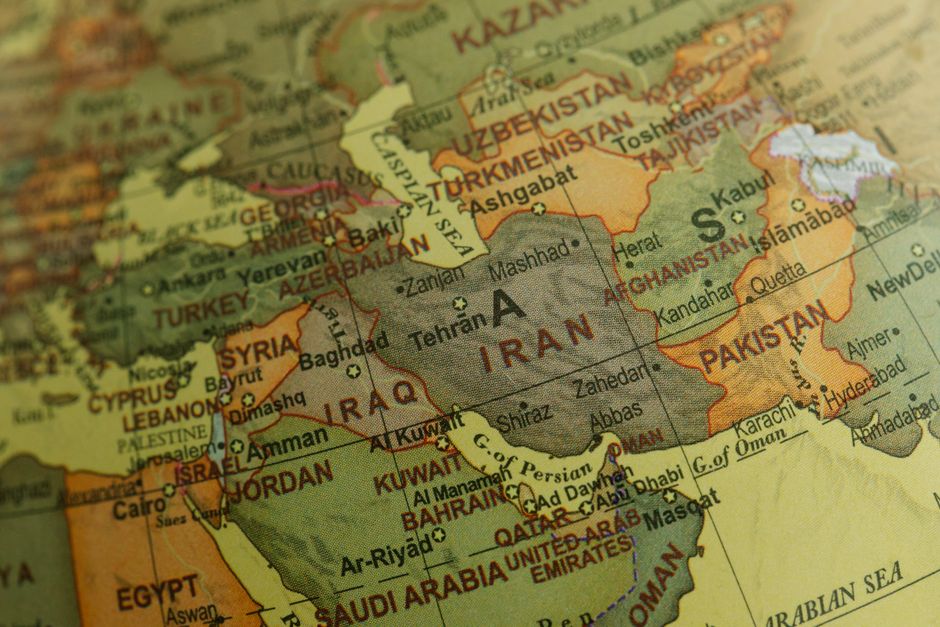
- On April 12, 2026, US President Donald Trump announced that the United States Navy would begin blockading the Strait of Hormuz.
- President Trump stated that Iran is unwilling to compromise on its nuclear weapons program, calling it the only issue that "really mattered."
- Negotiations to end the US-Iran war broke down, returning the strategic waterway to the forefront of geopolitical risk.
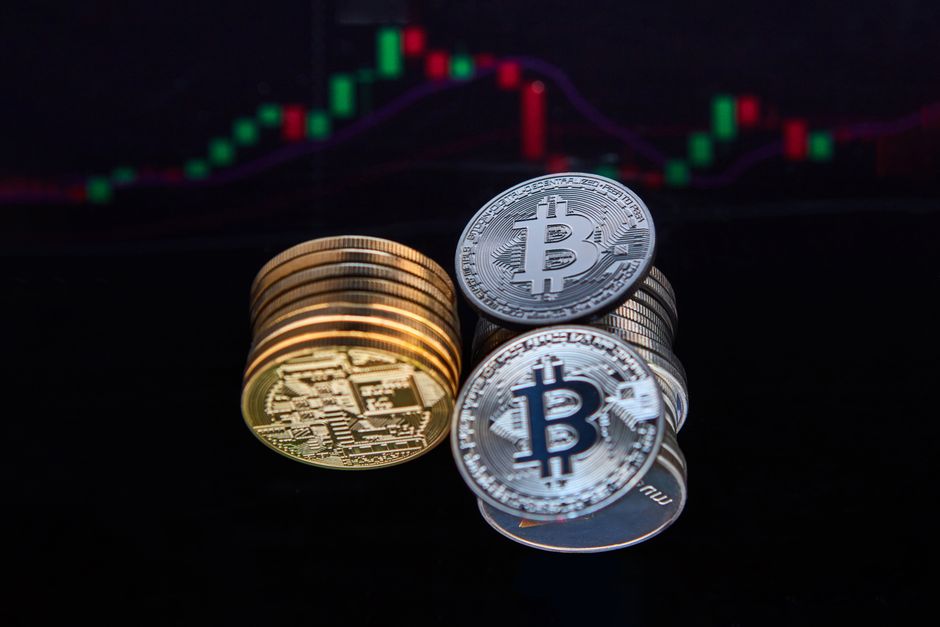
- Bitcoin and ether prices sold off sharply as tensions flared.
- Crude oil prices surged past $100 per barrel, triggering defensive positioning in derivatives markets.
- The Strait of Hormuz is a critical maritime chokepoint for global oil shipments.
- Market reactions underscore the increasing sensitivity of cryptocurrency assets to geopolitical shocks.
The Naval Gambit
President Donald Trump's directive to the United States Navy represents one of the most aggressive maritime actions in recent history. The blockade of the Strait of Hormuz is not merely a tactical move; it is a strategic escalation aimed squarely at Iran.
The immediate implementation of this order signals a departure from diplomatic channels, placing immense pressure on global supply chains.
For decades, the strait has been a flashpoint, with nearly a third of the world's seaborne oil passing through its narrow confines. Any disruption here sends ripples across economies, and this move has done precisely that.
Market Tremors
Within hours of the announcement, financial markets convulsed. Bitcoin, often touted as a digital haven, did not hold its ground. Instead, it retreated alongside traditional risk assets, while crude oil embarked on a sharp ascent.
The spike in oil past $100 forced traders into defensive derivatives positioning, a clear sign that institutions are bracing for sustained volatility.
This correlation between geopolitical strife in the Middle East and cryptocurrency sell-offs is becoming a familiar pattern. It challenges the narrative of crypto as a decoupled asset class and highlights its role in the broader risk-on, risk-off paradigm. 😮
The Iranian Stance
At the heart of this crisis is Iran's nuclear program. President Trump's remarks left little room for interpretation: Tehran's stance is the primary obstacle.
By framing the nuclear issue as the sole point of contention, the US administration has drawn a line in the sand, making compromise seem increasingly remote.
The breakdown of war negotiations suggests that both sides are preparing for a protracted standoff, with the Strait of Hormuz as the battlefield. This not only threatens regional stability but also has dire implications for energy security worldwide. ⚠️
Looking Ahead
The blockade of the Strait of Hormuz is a pivotal moment with far-reaching consequences. For markets, the immediate fear is a prolonged spike in energy prices, which could stifle economic growth and amplify inflationary pressures. Bitcoin and other cryptocurrencies may continue to face headwinds as investors seek safety in more traditional hedges.
The coming days will test the resilience of global supply chains and the diplomatic channels that have so far prevented a full-blown conflict.
As the United States Navy enforces its blockade, the world watches, aware that the stakes extend far beyond the waters of the Persian Gulf. The interplay between geopolitics and finance has never been more pronounced, and this episode serves as a stark reminder of that reality.