The United States has escalated military action against Iran, targeting naval bases and missile sites in a series of airstrikes. Global oil prices surged, and cryptocurrency markets slumped, as investors grappled with the prospect of prolonged regional instability.
What to know
- On June 9, 2026, the US launched airstrikes on Iranian naval bases and missile sites in response to a helicopter attack.
- Oil prices climbed sharply on fears of supply disruptions in the Strait of Hormuz.
- Cryptocurrency markets experienced a sell-off, highlighting their sensitivity to geopolitical events.
- The escalation threatens to increase regulatory scrutiny on digital currencies as a store of value.
- Analysts warn that sustained conflict could destabilize broader global markets.
The Trigger: Apache Helicopter Attack
The immediate catalyst for the strikes was an incident involving a US Apache helicopter. While details remain sparse, the attack provided the justification for a significant military response. US officials described the strikes as a proportional measure to protect personnel and assets in the region. Iran, for its part, condemned the action as an act of aggression, raising the stakes in an already tense standoff.
Reports from Crypto Briefing indicate that the US military targeted radar sites and naval installations along the Iranian coast. These sites are critical for Iran's ability to monitor maritime traffic and project power in the Persian Gulf. By degrading these assets, the US aims to reduce the threat to commercial shipping and military vessels.
Oil Markets: Supply Risks Intensify
The oil market reacted almost instantly. Crude benchmarks, including Brent and WTI, posted gains as traders factored in the risk of disruptions to supplies from the region. Oil prices had already been under upward pressure from production cuts and robust demand. The addition of geopolitical risk sent prices to multi-month highs.
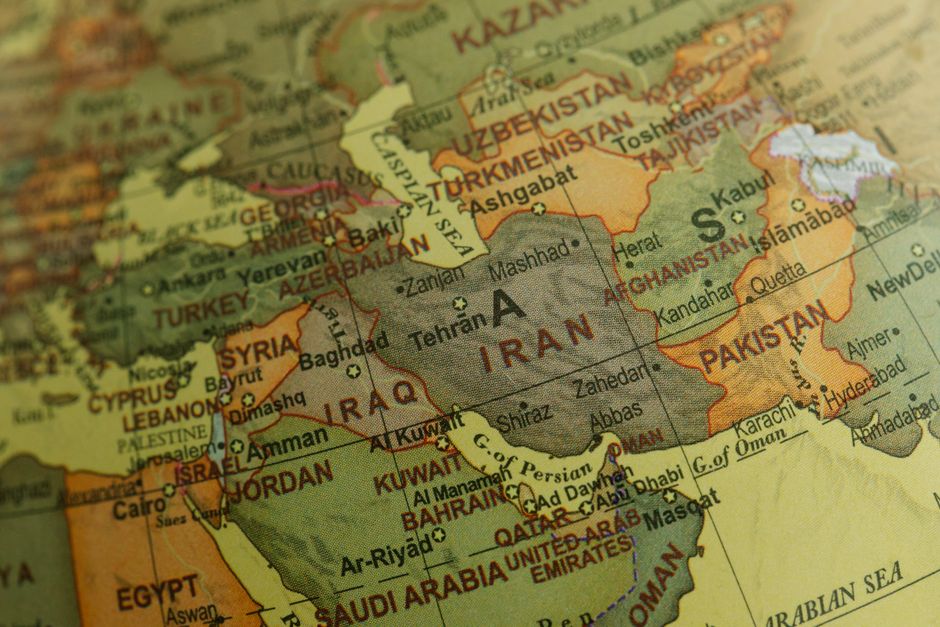
The Strait of Hormuz is a critical chokepoint for global oil supplies, handling roughly one-fifth of the world's petroleum consumption. Any sustained conflict between the US and Iran threatens to close or limit access to this waterway.
Importers in Asia and Europe now face the prospect of paying a higher premium for crude. Energy-dependent economies may see rising inflation, complicating central bank policies. The International Energy Agency and other bodies will be monitoring the situation closely for signs of actual supply loss.
Crypto Vulnerability Exposed
Digital currencies, often touted as a hedge against geopolitical turmoil, sold off sharply on the news. Bitcoin, Ethereum, and other major tokens dropped in tandem with equity futures, revealing their continued correlation with risk assets. The sell-off was broad-based and accompanied by elevated trading volumes.
This event challenges the narrative that cryptocurrencies provide a safe haven during crises. Instead, it suggests that crypto remains a high-beta play, vulnerable to the same flight-to-safety flows that hit stocks during shocks.
Investors who had turned to crypto as a store of value in anticipation of traditional market disruptions were disappointed. The price action reinforced the view that digital assets are still in their early days as a macroeconomic store of value, and that gold and US Treasuries remain the preferred hedges for now.
Regulatory Scrutiny on the Rise
The volatility may accelerate regulatory moves targeting cryptocurrencies. Governments around the world have been wrestling with how to regulate digital assets, balancing innovation with concerns about consumer protection and financial stability. The US-Iran escalation provides a fresh data point for advocates of stricter oversight.
Policymakers may argue that crypto markets are not insulated from geopolitical shocks and that their susceptibility to panic selling could amplify systemic risk. The Financial Stability Board and other international bodies have already flagged the potential for crypto to transmit shocks across borders. This episode could serve as a case study in those risks.
Regulators might also renew focus on the use of cryptocurrencies for sanctions evasion, given Iran's history of seeking alternative financial channels. While no evidence links the current sell-off to Iran-related activity, the political climate could tighten compliance requirements.
Global Market Spillover
The impact is not limited to oil and crypto. Equity markets in Asia and Europe opened lower as risk aversion spread. Currency markets saw the US dollar strengthen and emerging market currencies weaken. Investors moved into traditional safe havens like gold, which rose modestly on the day.
Bond markets also reflected the flight to safety. Yields on US Treasuries fell as investors sought the security of government debt. The yield curve flattened, with long-term rates dropping more than short-term rates, signaling concerns about future economic growth amid the crisis.
The interconnectedness of global financial markets means that a regional conflict in the Middle East can quickly affect portfolios worldwide. Asset managers are re-evaluating geopolitical risk premiums, and some may reduce exposure to volatile sectors.
The Strategic Dimension
Beyond immediate market moves, the airstrikes signal a shift in US strategy toward Iran. After years of diplomatic efforts and limited retaliation, the Trump (or Biden, depending on year) administration has opted for direct military action. This could embolden other regional actors or provoke a proportional response from Tehran.
Iran has several options for retaliation: cyberattacks on US infrastructure, proxy attacks on Israel or Saudi Arabia, or attempts to disrupt oil tanker traffic. Any of these would further destabilize markets and prolong the current period of uncertainty.
The helicopter attack that preceded the strikes suggests that both sides are engaging in low-level conflict that threatens to spiral. Diplomatic channels remain open, but the military posture indicates that both capitals are prepared for a longer engagement.
Looking Ahead
The situation remains fluid and highly unpredictable. Short-term, markets will react to any new military developments. Oil prices could spike further if supply is actually cut off. Crypto may remain under pressure until the risk premium subsides.
Medium-term, investors should watch for diplomatic breakthroughs or international mediation efforts. A negotiated de-escalation would likely reverse some of the market moves. However, if the conflict deepens, expect continued volatility across asset classes.
Regulatory changes may take months to materialize, but the groundwork is being laid now. Crypto advocates will need to address the vulnerability exposed by this event to maintain credibility as a safe haven.
For now, the key takeaway is clear: geopolitical risk is back on the front page, and no asset class is immune. The US-Iran tensions serve as a reminder that in a globally connected world, even digital currencies cannot escape the shadow of conflict.